
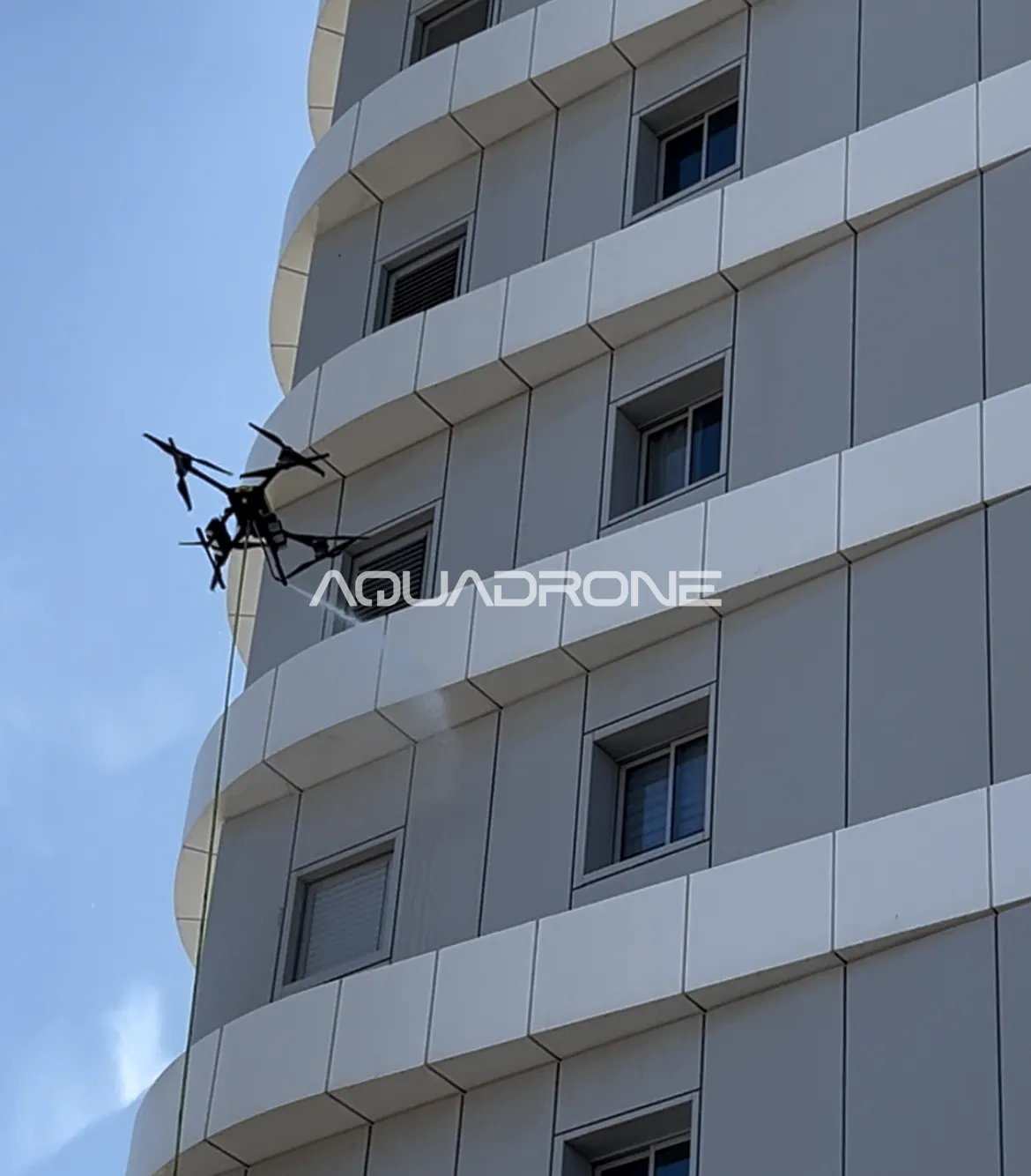
Cleaning pigeon droppings from your building facade: an effective solution many people don't know about
Pigeon dropping stains are one of the most common challenges for building owners and residents' committees, especially where pigeons gather around window sills, beams and balconies. These grey-white stains don't wash off in the rain, and they build up over time instead of disappearing. Why are pigeon stains so stubborn? Pigeon droppings are a problem for two main reasons. First, they are acidic and can erode […]


Pigeon stain cleaning is one of the most common challenges for building owners and residents' committees, especially on buildings exposed to pigeon activity around window sills, beams and balconies. These greyish-white stains don't wash off even after rain, and they build up over time rather than disappearing on their own.
Why are pigeon stains so stubborn?
Pigeon droppings are a problem for two main reasons. First, they are acidic and can wear away cladding materials, paint and protective coatings over time, turning a "cosmetic problem" into one that damages the building material itself. Second, they are a health hazard, as they can carry bacteria and fungi (source: Centers for Disease Control and Prevention) that are especially dangerous once the droppings dry and become airborne dust.
Unprofessional cleaning – such as rinsing with water alone, without a suitable cleaning agent and enough pressure – only "smears" the stain instead of breaking it down, and it quickly builds up again. That's why effective Pigeon stain cleaning needs a method that actually breaks the stain down rather than just covering it up.
Why do traditional cleaning methods struggle with this problem?
Pigeons tend to land and nest in the hardest-to-reach areas: upper window sills, under projecting beams, around gutters and on flat roofs. These are exactly the places that scaffolding and rope access struggle to reach efficiently and precisely, while manual cleaning from the ground simply can't reach them at all.
How does drone pigeon stain cleaning solve the problem effectively?
Precise access to every landing point – a drone can reach exactly the window sills, beams and corners where pigeon stains build up, without being limited by awkward access angles.
Active cleaning agents that break down the stain – instead of simple rinsing with water, an active cleaning agent is used that effectively breaks down the acidic layer left by the droppings.
Final rinse with purified water – after the dirt is broken down, a rinse with reverse-osmosis filtered water removes the residue completely and prevents the stain from quickly returning.
Precise detection with real-time imaging – advanced technology makes it possible to identify exactly where the main landing areas are concentrated, so treatment is targeted rather than "smeared" across the whole facade in a sweeping, wasteful way.
When should you act?
As soon as you notice greyish-white build-up around landing areas, or stains that come back even after rain, it's time to act rather than wait. The longer the problem is neglected, the more work cleaning takes, and the greater the risk of damage to the cladding itself.
Who should pay particular attention to this?
Buildings near parks, flat roofs or markets, where there are large pigeon populations; tall buildings with window sills and projections that make convenient landing spots; and residents' committees that have had repeated complaints from residents about the look of the facade or an unpleasant smell.
Summary
Pigeon stain cleaning isn't just about appearance – the stains are acidic and can damage the cladding materials over time, as well as being a genuine health hazard. Precise, targeted cleaning that reaches exactly the landing areas and breaks the stain down instead of just covering it is the only way to solve the problem in the long term.
Spotted pigeon stains on your facade? contact page for a no-obligation initial site survey, or read more about our facade cleaning services.
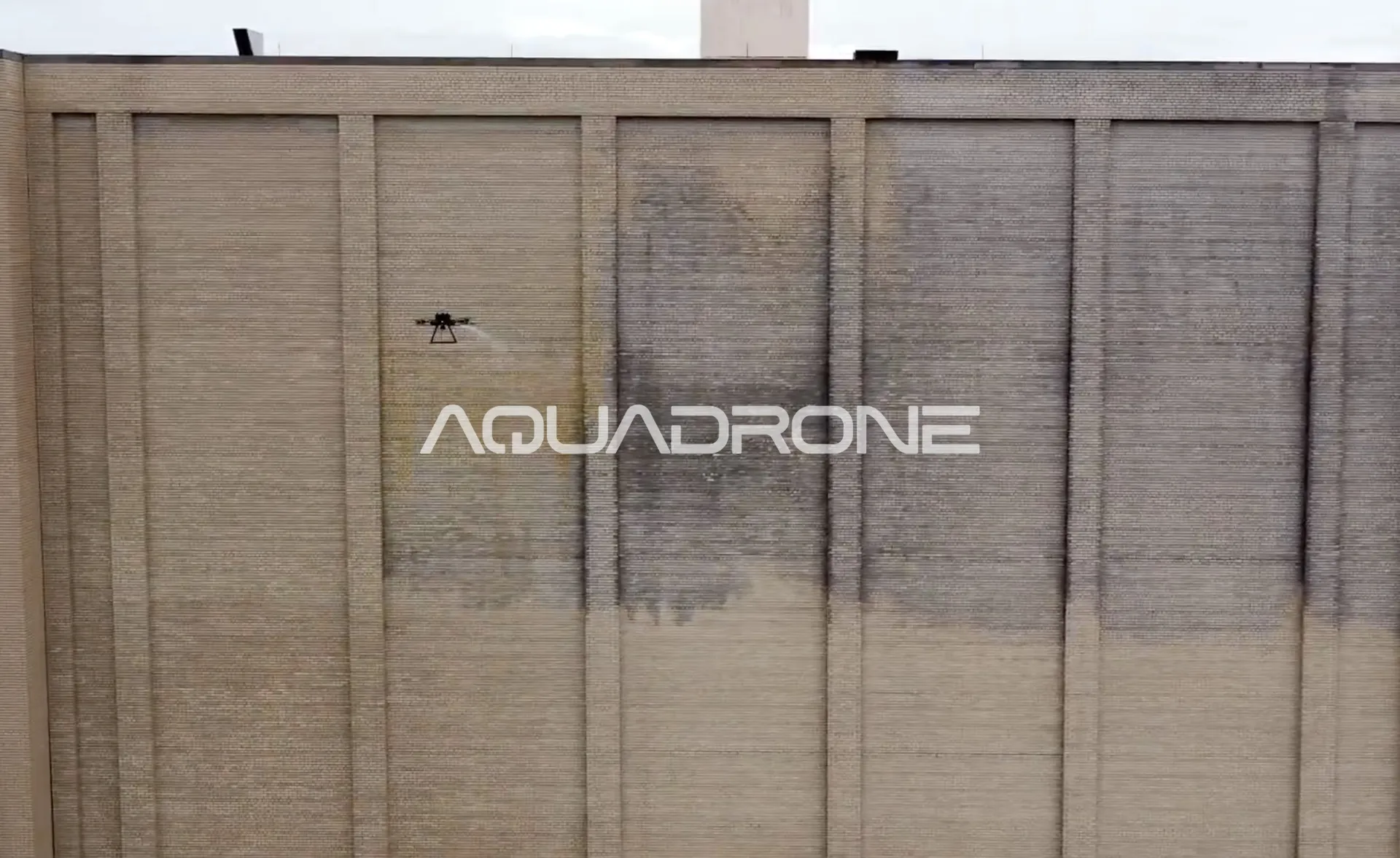
Drone cleaning of industrial buildings and infrastructure: a solution for large, tall structures
Why factories, warehouses and infrastructure sites are moving to a cleaning method that doesn't stop production
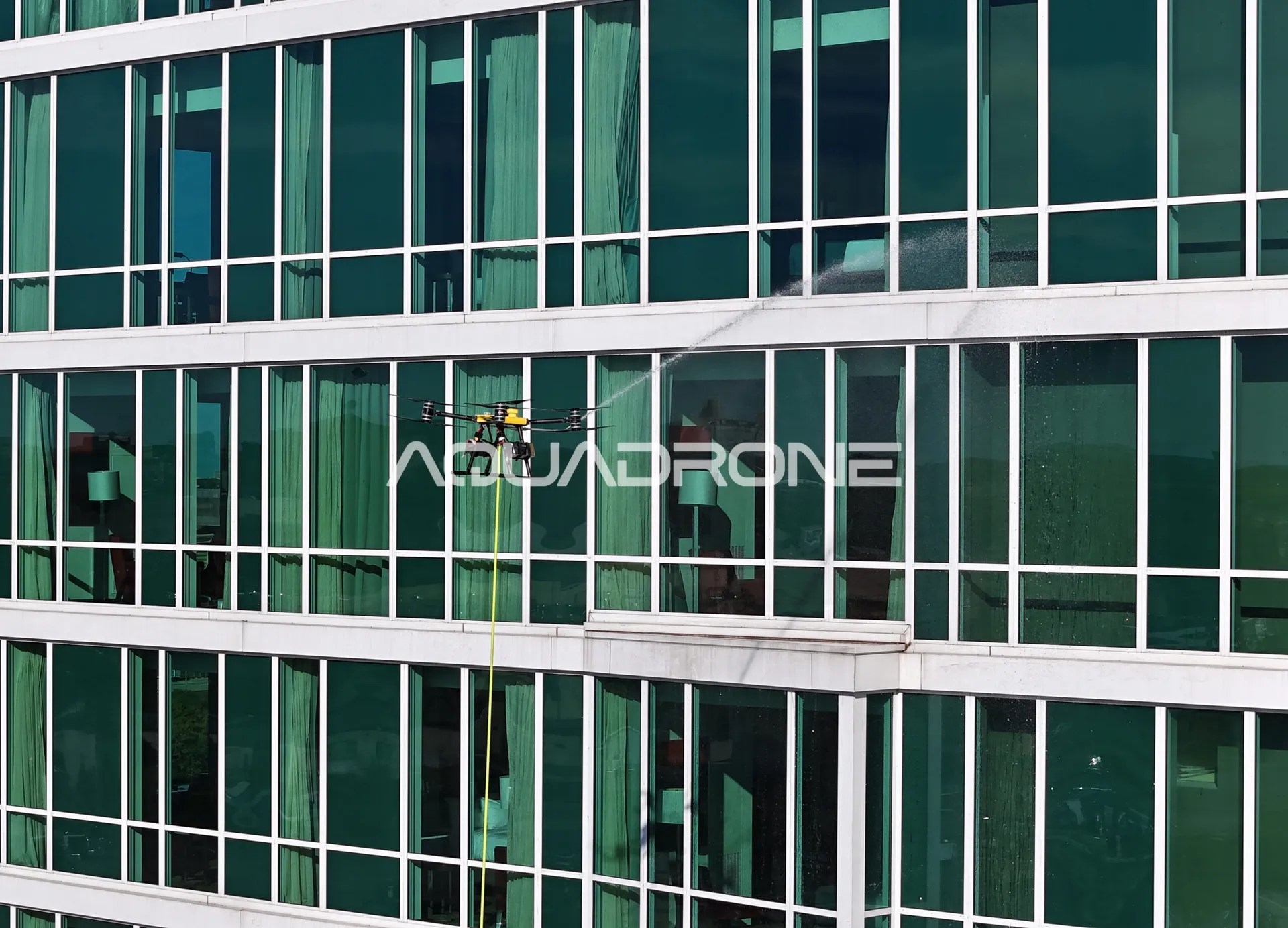
Drone hotel cleaning
A professional solution for cleaning hotel facades and windows without disturbing guests
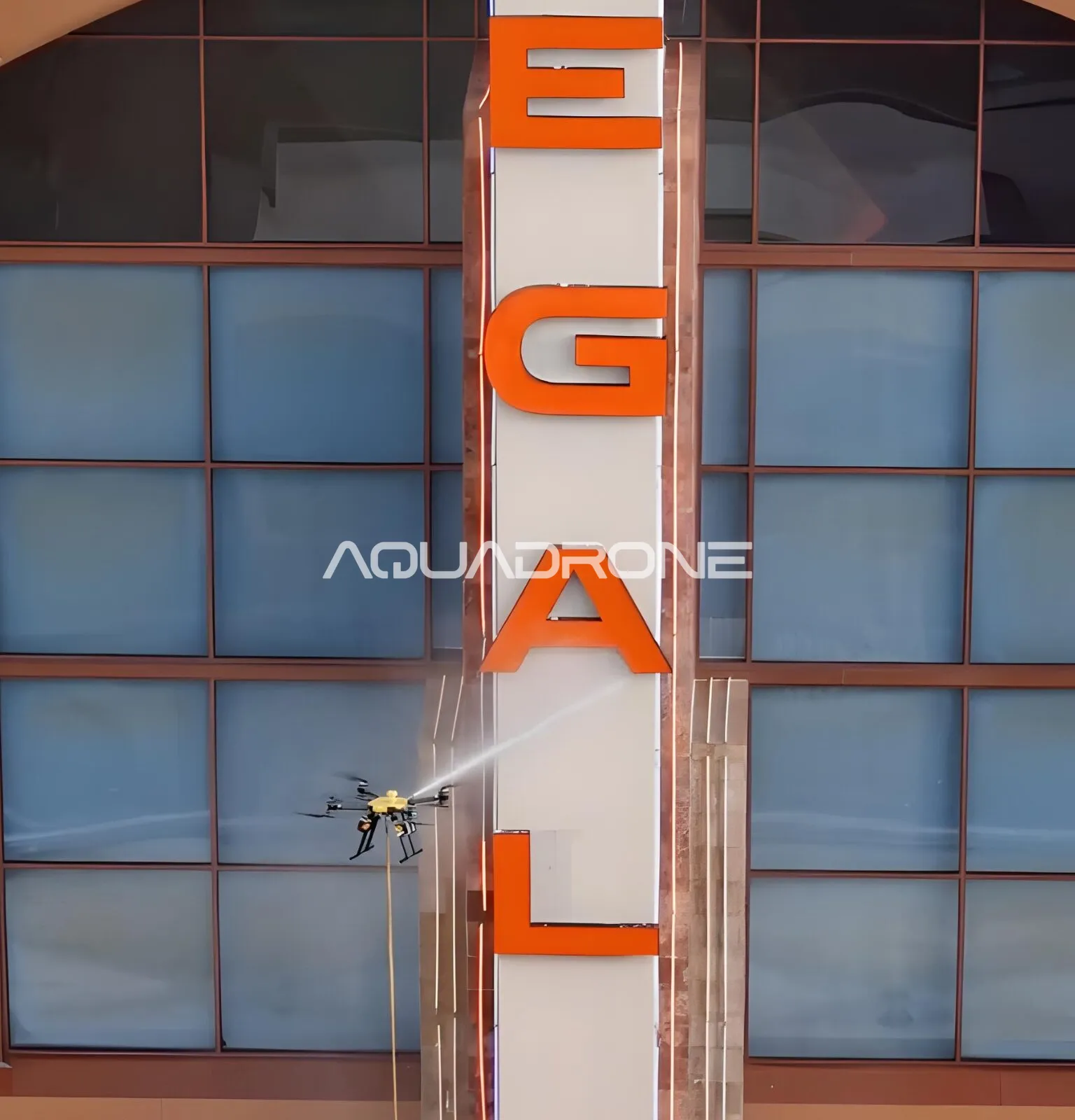
Drone shopping centre cleaning
A professional solution for cleaning malls and commercial facades without disrupting business
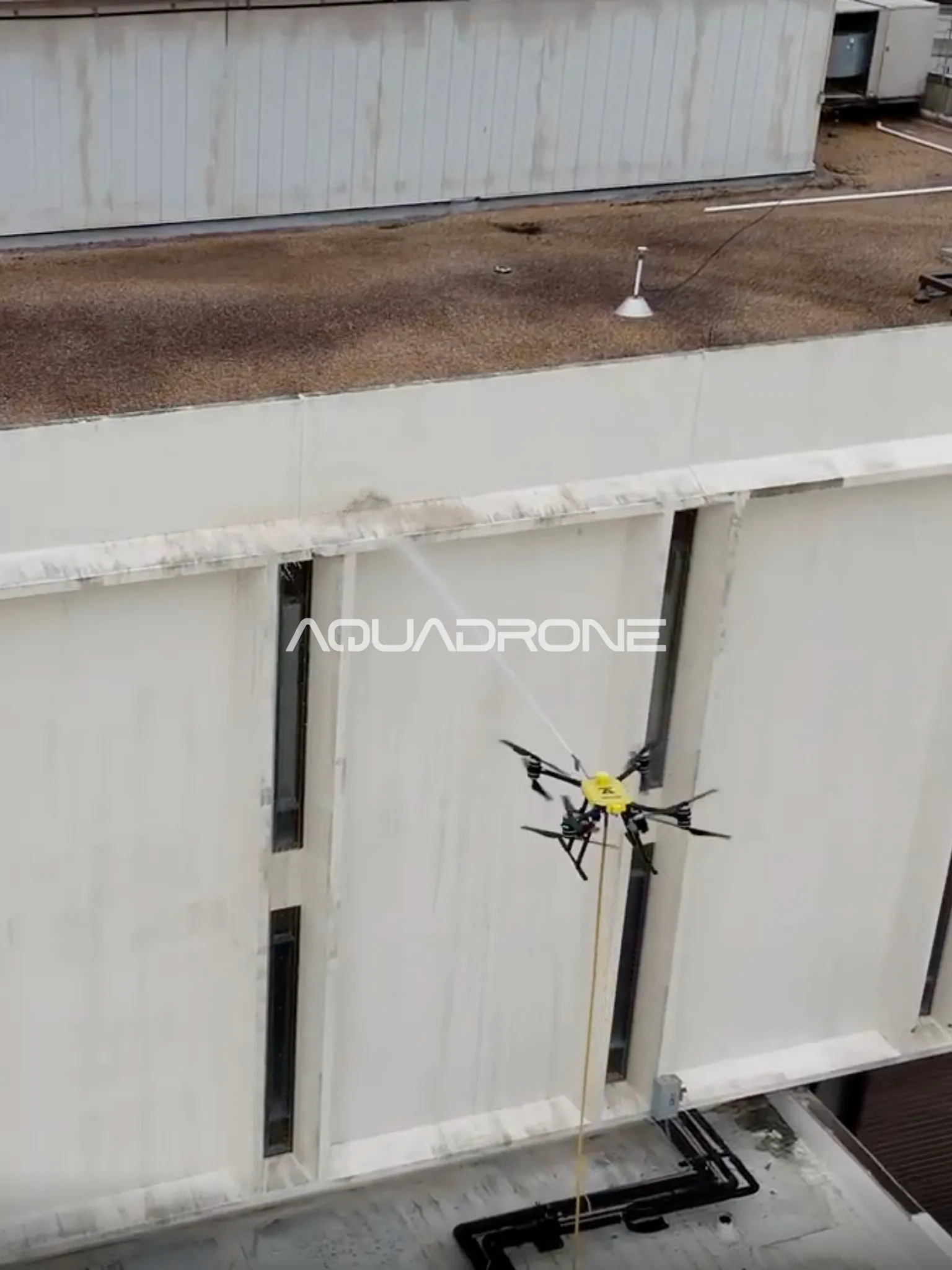
Drone exterior wall cleaning
A professional solution for cleaning exterior walls at any height and with any type of cladding
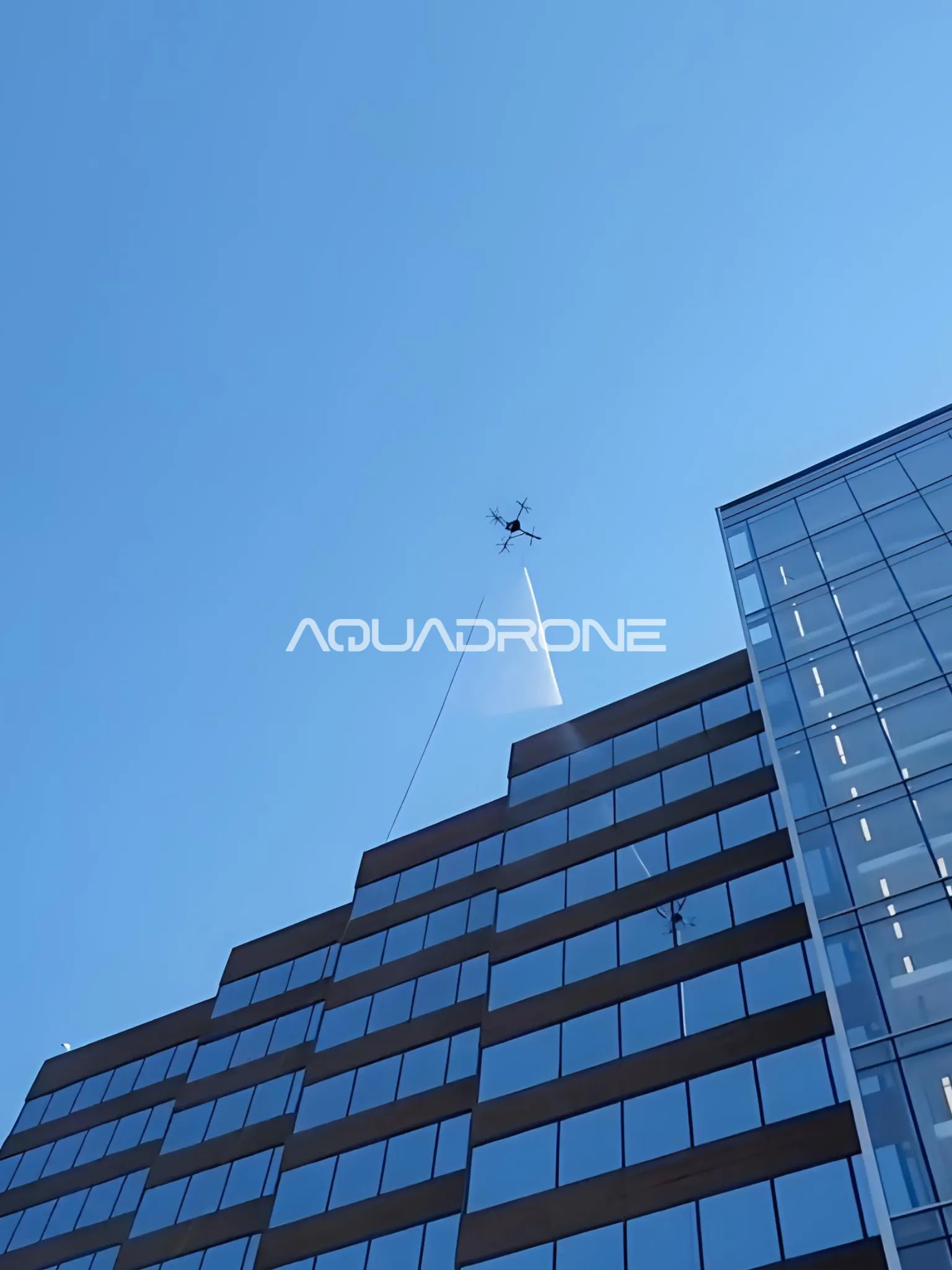
Drone cleaning for residential towers
An advanced solution for cleaning residential tower facades and windows at any height