

Drones are changing the rules of building cleaning
Cleaning methods at height are changing, and drones are leading the way


Drone building cleaning, including facades and windows, is transforming building maintenance in Israel.
Instead of scaffolding, rope access and expensive cranes, drone cleaning services from Aquadrone give access to every point of a building – facades, windows and curtain walls – quickly, safely and cost-effectively.
For many years, cleaning buildings at height was a conservative field built on traditional methods such as rope access, scaffolding, cranes and aerial work platforms. These methods are familiar and effective in some cases, but they take a long time, cost a lot, carry significant safety risk and sometimes disrupt the routines of the building's occupants or users. In recent years, as technology has developed and drones have become professional industrial tools, a real transformation has been under way in how the work is done, how efficient it is and how we think about maintaining buildings at height.
From physical height to technological precision
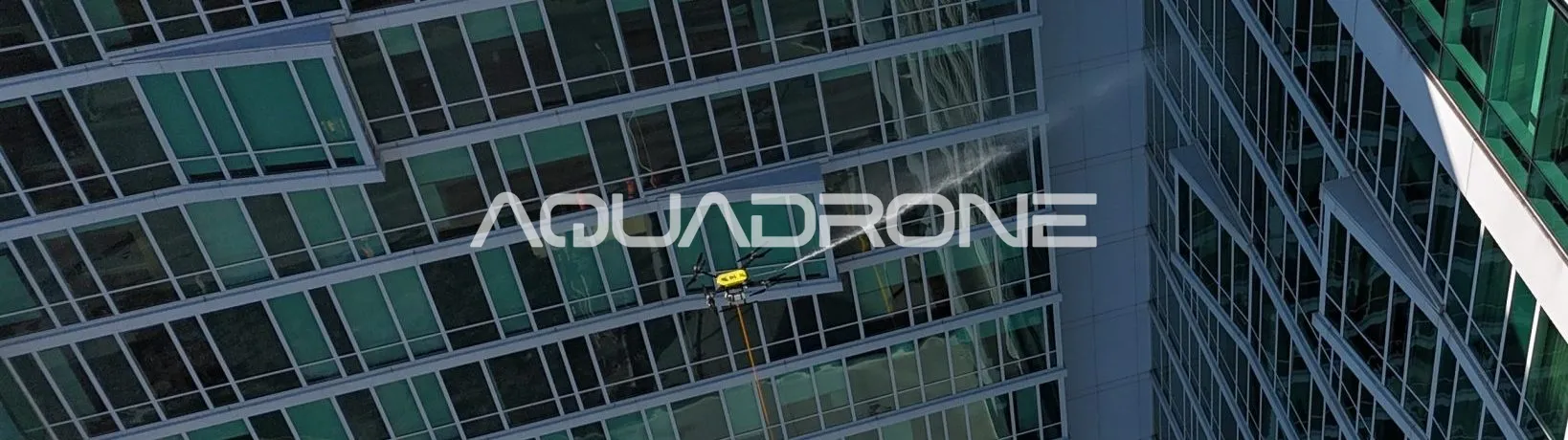
Where a physical crew once had to reach every point at height, advanced drones can now clean precisely using smart navigation, control and spraying systems. The drone follows a pre-planned flight path, keeps a constant distance from the building, adjusts the spray intensity to the cladding type and cleans evenly and in a controlled way, without anyone being exposed to risk.
This shift lets maintenance managers and service companies carry out work that used to be complicated or costly, such as cleaning high facades, commercial window cleaning in high-rise buildings, solar panels, metal cladding or curved walls, more quickly and safely using a drone.

Yuval Mori – Head of Technology
"The goal isn't just to clean, but to change the way maintenance is done. Drones give us control, precision and access that simply didn't exist before, and ultimately that improves the quality of buildings over time."
Practical advantages that set a new standard
Access to complex areas at height or on buildings with non-standard geometry; safe work without scaffolding, rope access or closing pedestrian routes; savings in working time and in the cost of putting up and taking down heavy equipment; visual before-and-after documentation of the facade and windows; and minimal disruption to residents, customers and guests on site.
In practice, drones turn complex maintenance jobs into routine ones. Drone building and window cleaning can be planned in advance, carried out in short time windows and built into an ongoing maintenance schedule, rather than treated as an exceptional job that needs cumbersome preparation.
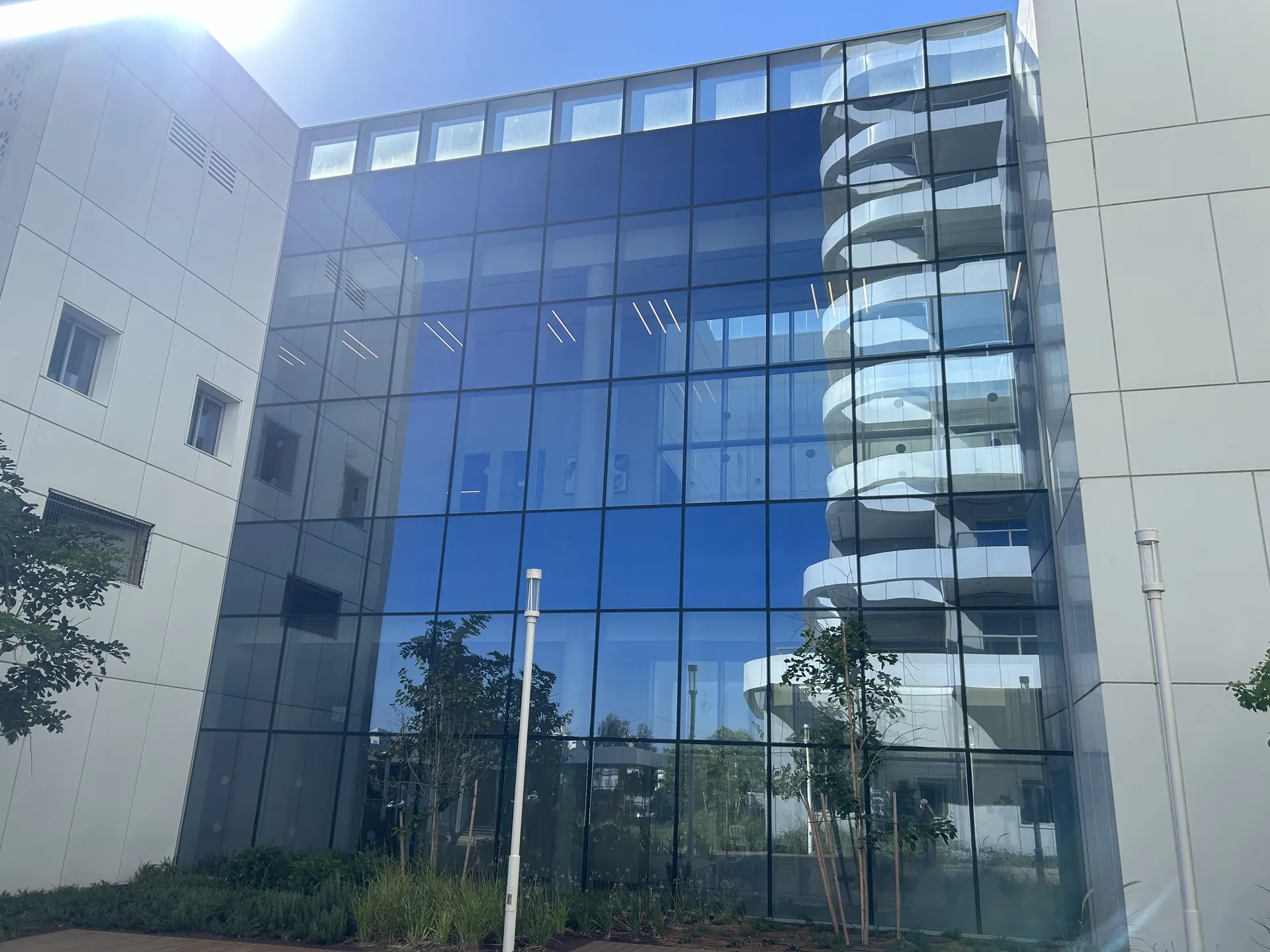
Touchless drone cleaning: how to get a clean result without touching the facade
Touchless drone cleaning: how glass and cladding are cleaned without squeegees or contact, which flight techniques, detergents and water determine the result, and why it takes skilled operators.
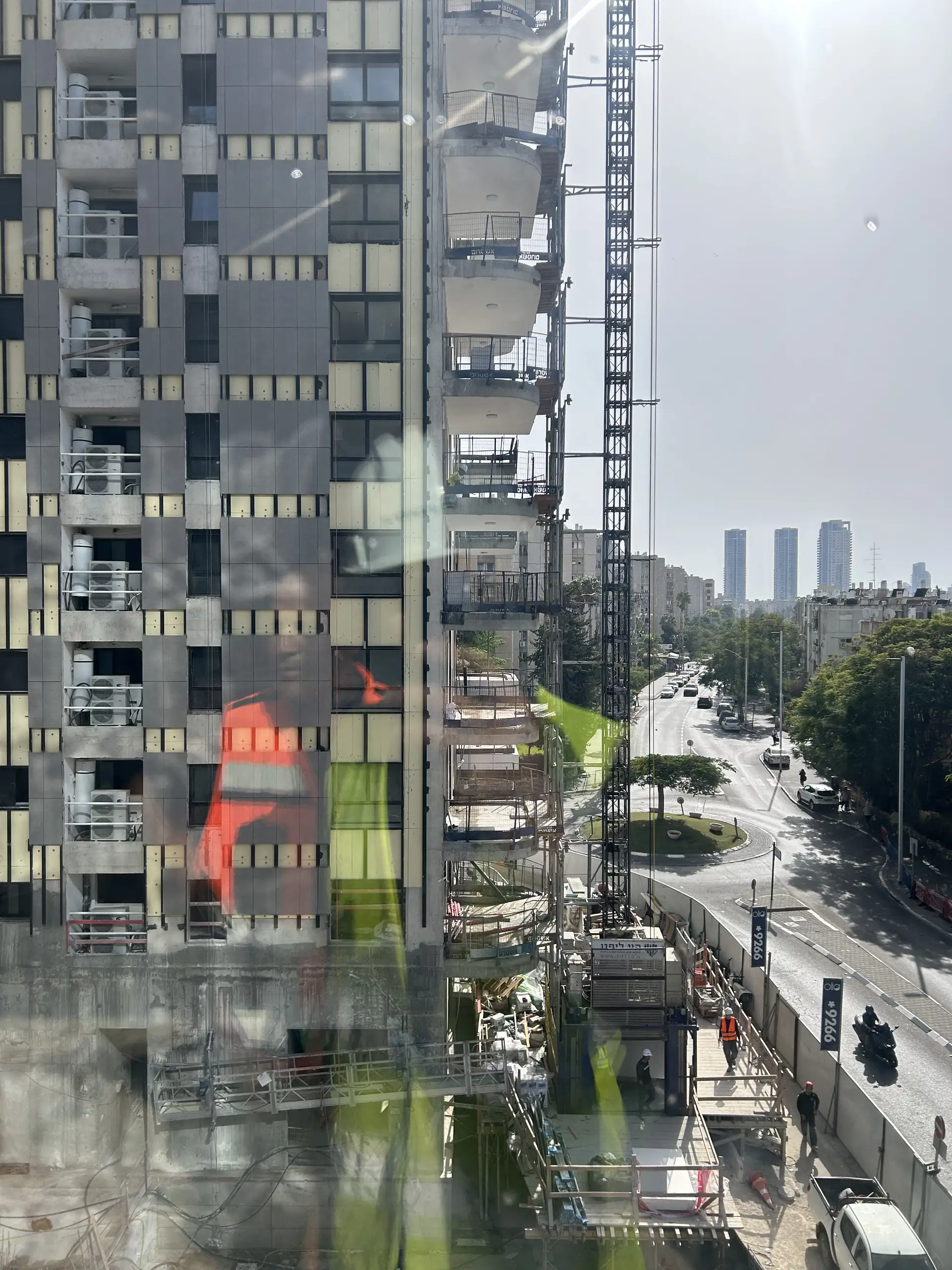
Reverse osmosis window cleaning: why purified water leaves no spots
Reverse osmosis window cleaning: why tap water leaves white spots on glass, how purified water dries without marks, and what the method can't do.
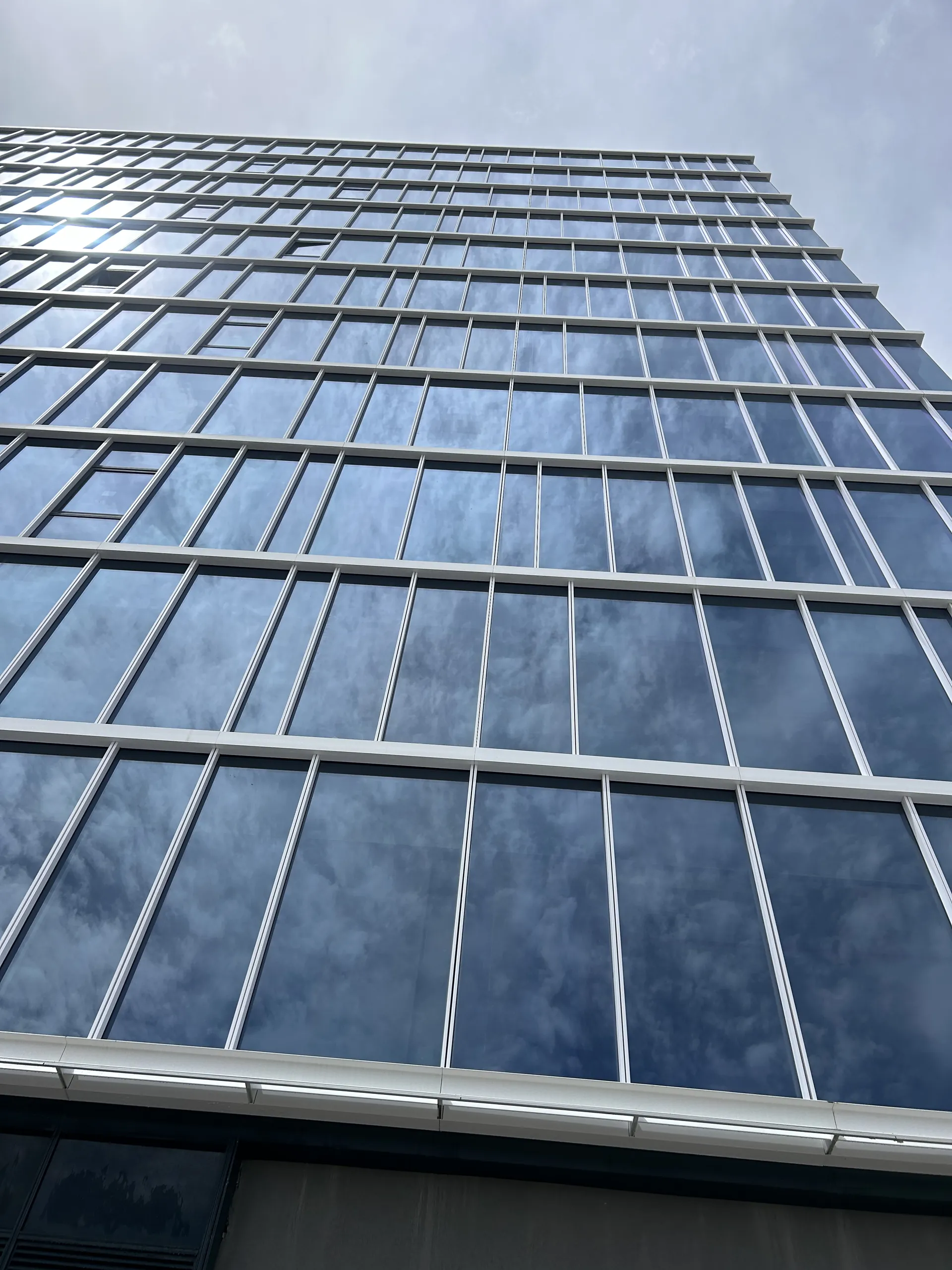
Drone or rope access? A full comparison for facade and high-rise window cleaning
Drone or rope access for your facade? A fair comparison of the two methods on safety, privacy, disruption to residents and hands-on contact, and when each one is the right choice.
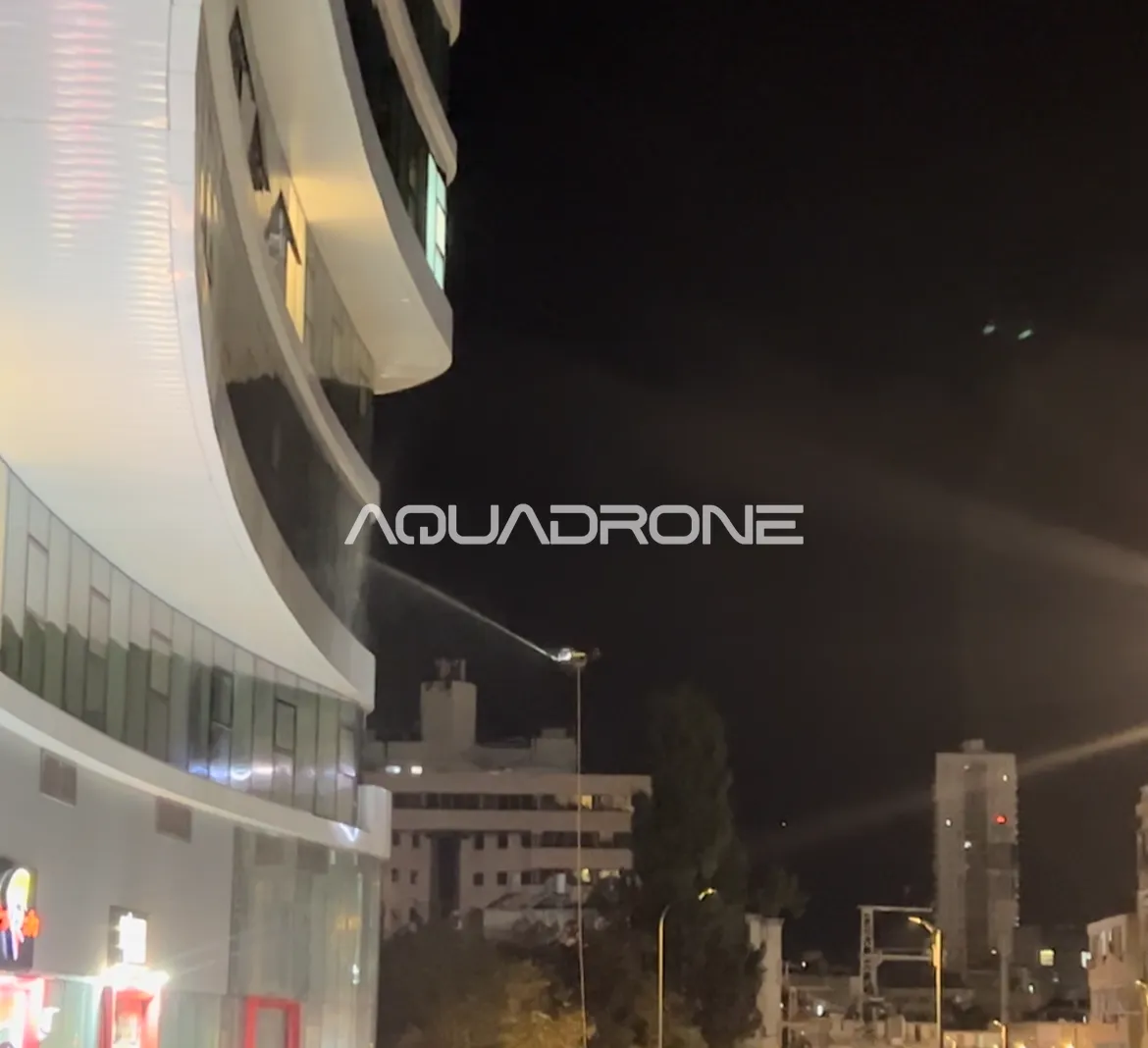
High-rise window cleaning without rope access: the safe solution for residential and office towers
For years, cleaning windows on residential and office towers automatically meant rope access: a team of technicians hanging on ropes, working down floor by floor, while residents and passers-by had to work around the job happening right above their heads. Today there is an alternative: drone high-rise window cleaning, and more and more residents' committees and property management companies are considering it. What's the problem […]
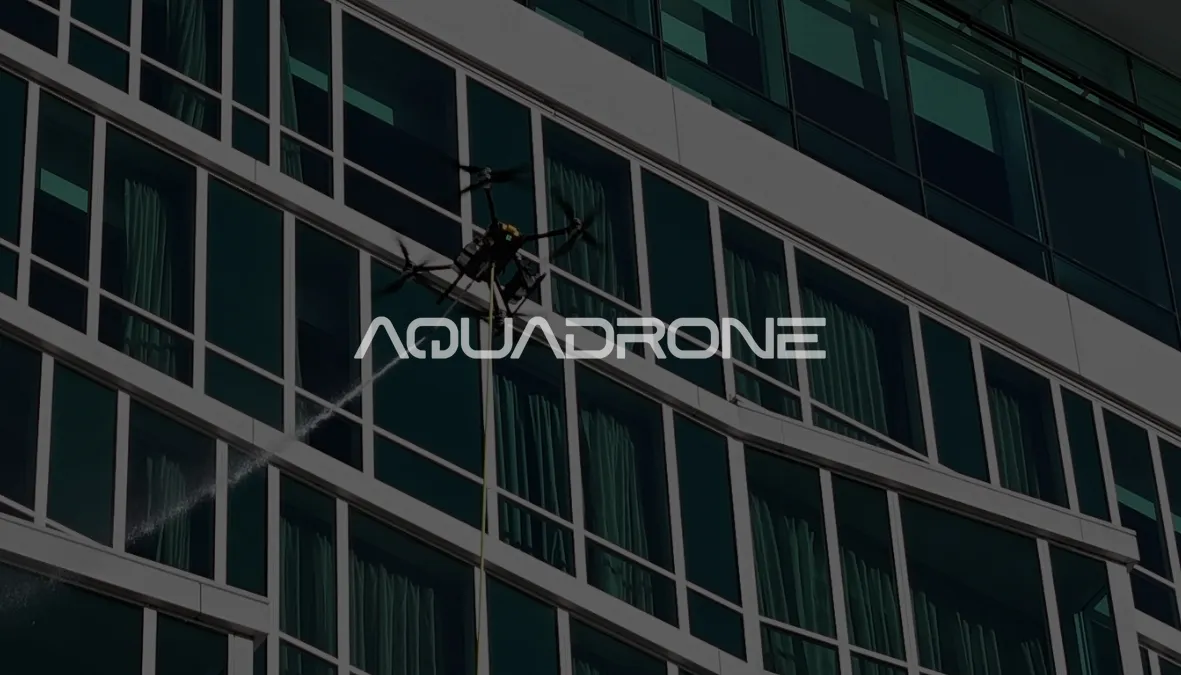
Drone building facade cleaning: the complete guide for property owners
Why property owners and maintenance managers in Israel are moving to cleaning without scaffolding or rope access
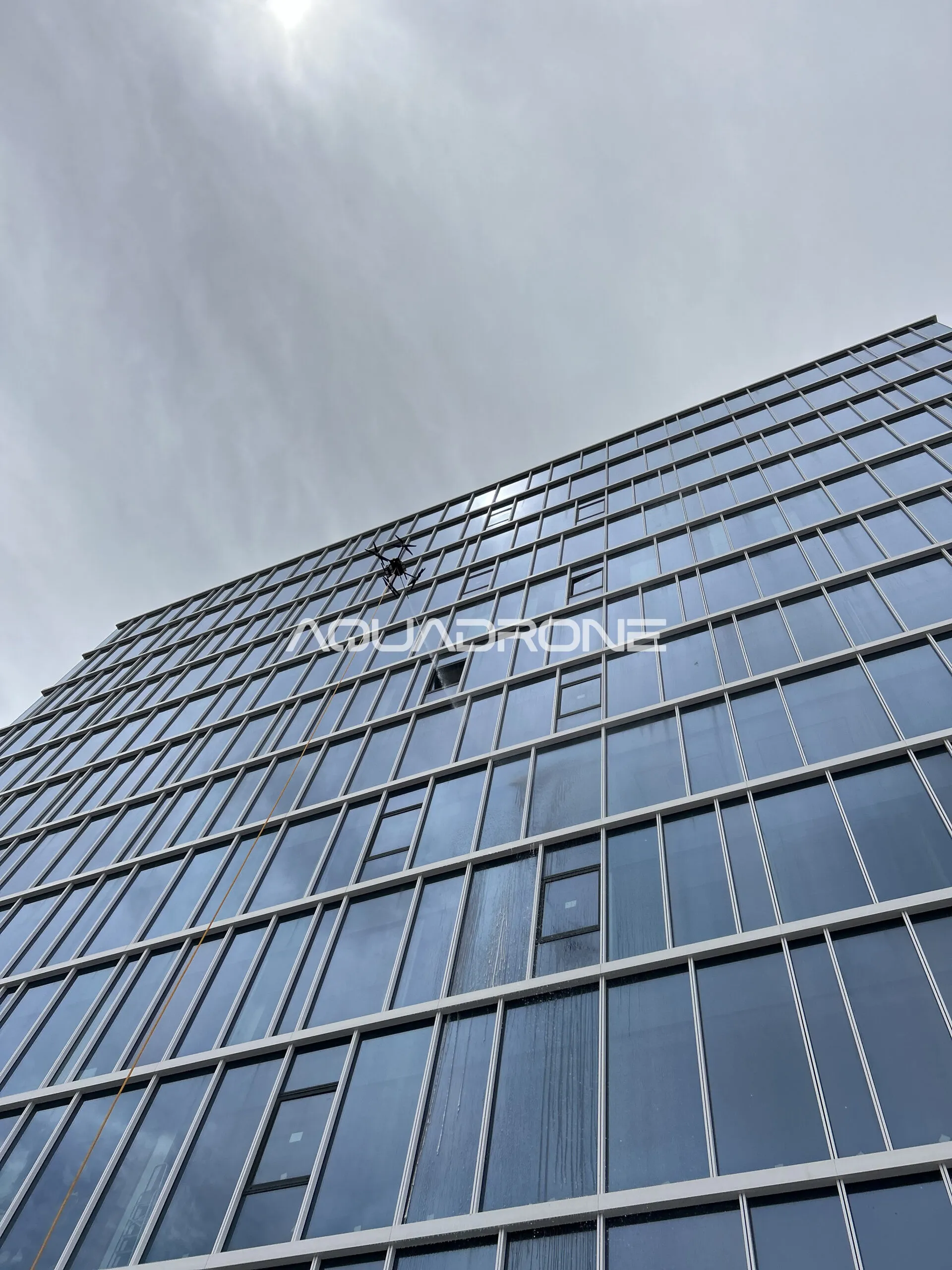
Drone curtain wall cleaning
An advanced solution for cleaning glass facades on tall buildings
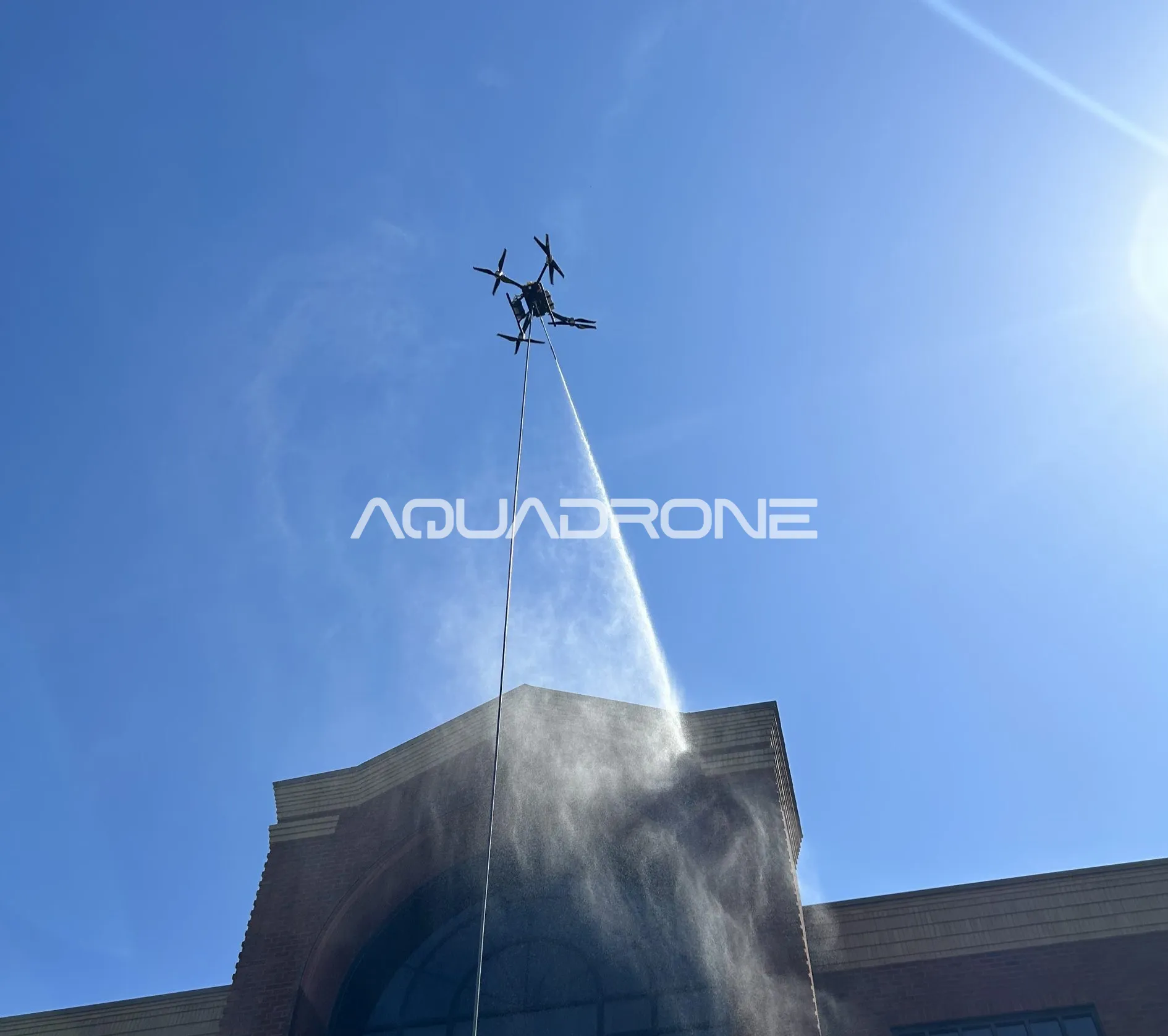
What affects the cost of drone facade cleaning
The factors that shape the cost of a drone facade cleaning project
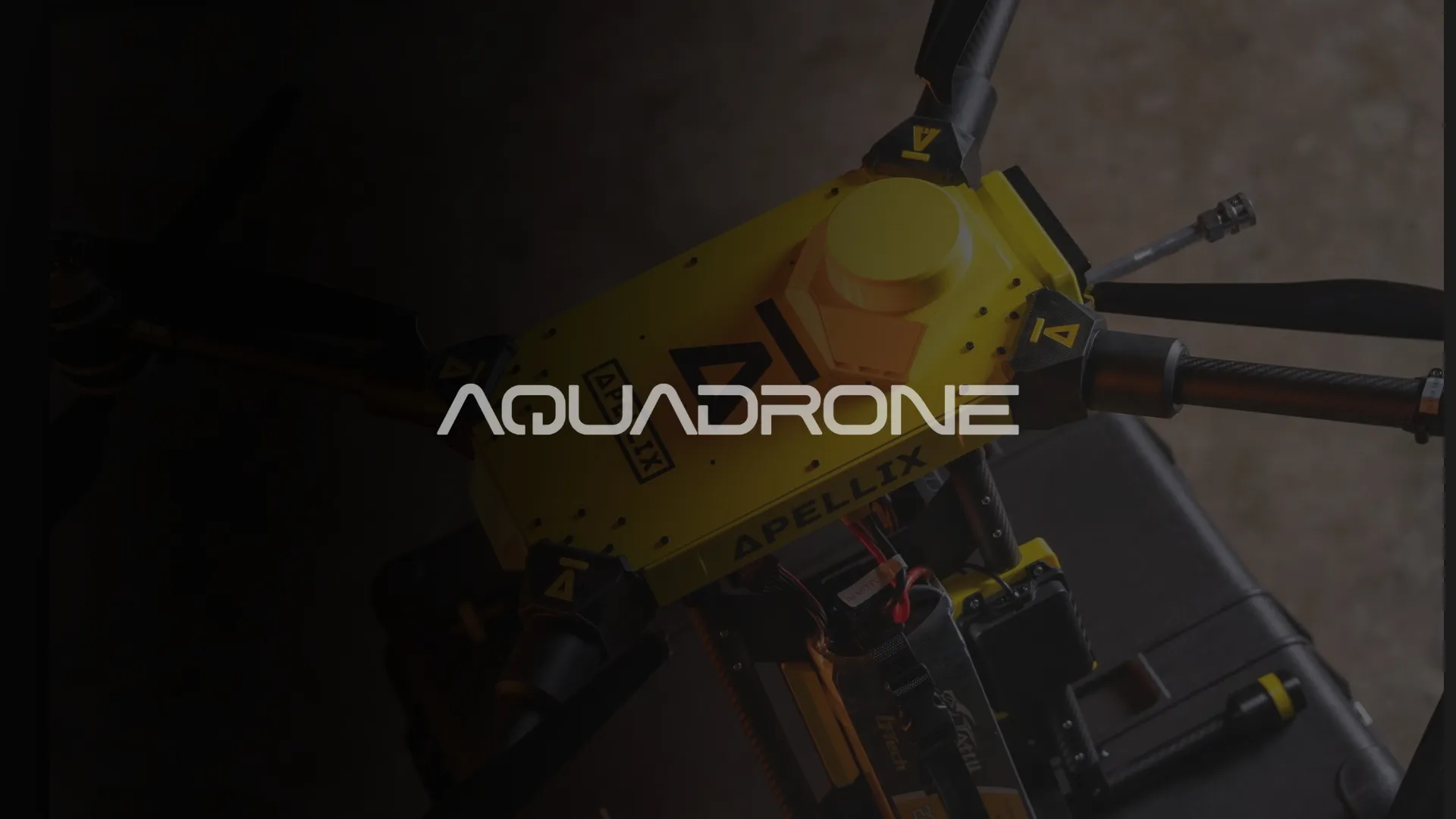
The next generation of cleaning drones
An in-depth look at the new technologies making cleaning work faster, safer and more cost-effective
The cleaning revolution: how drones are changing the rules of building maintenance
The shift from traditional cleaning methods to smart solutions in the air