
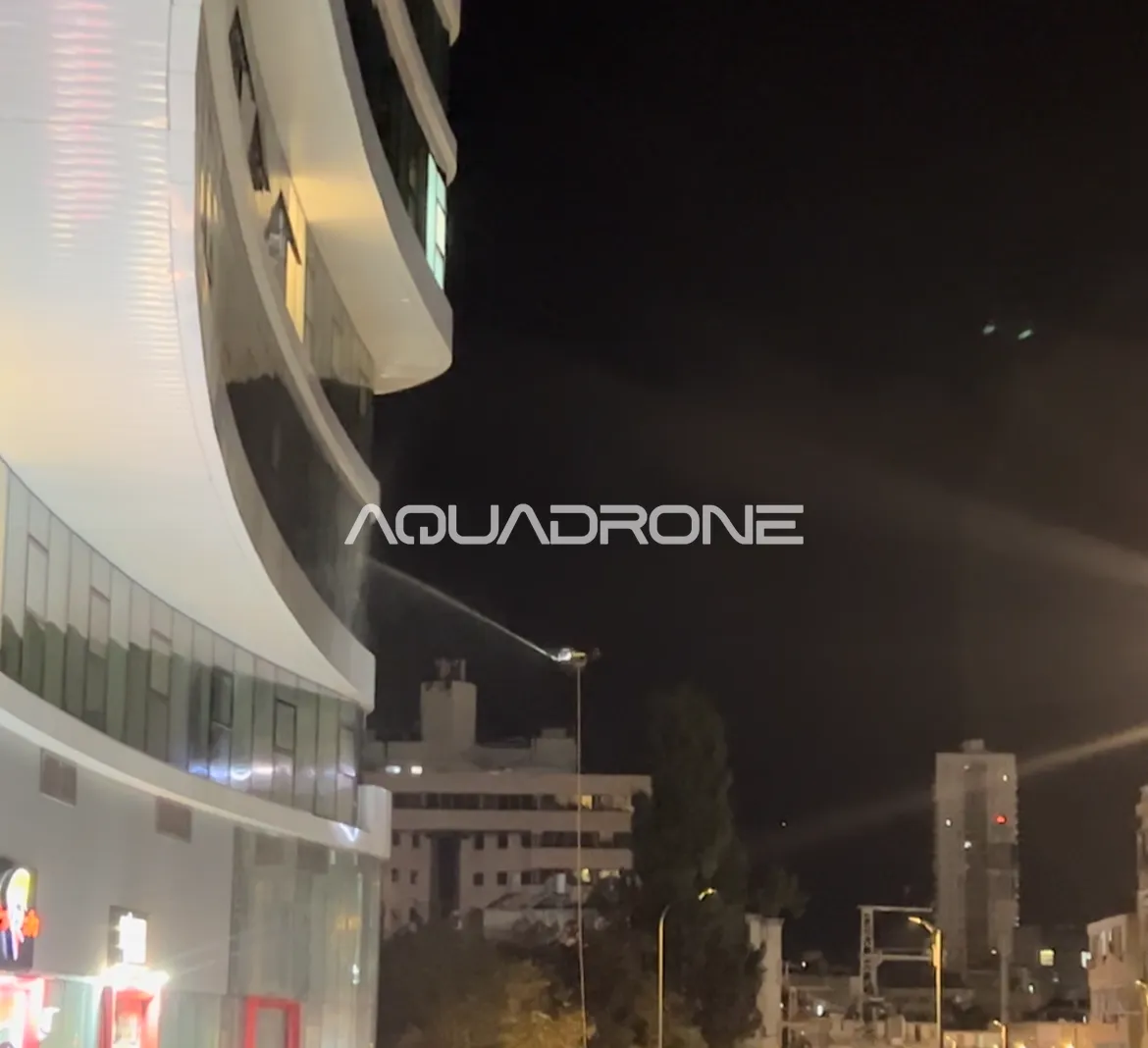
High-rise window cleaning without rope access: the safe solution for residential and office towers
For years, cleaning windows on residential and office towers automatically meant rope access: a team of technicians hanging on ropes, working down floor by floor, while residents and passers-by had to work around the job happening right above their heads. Today there is an alternative: drone high-rise window cleaning, and more and more residents' committees and property management companies are considering it. What's the problem […]


High-Rise Window Cleaning on residential and office towers has for years automatically meant rope access: a team of technicians hanging on ropes, working down floor by floor, while residents and passers-by have to work around the job going on right above their heads. Today there is an alternative: High-Rise Window Cleaning by drone, and a growing number of residents' committees and property management companies are switching to it.
What's the problem with rope access?
Rope access is a long-established, familiar method, but it has some built-in drawbacks:
- Safety risk to the crew — working at height on ropes is one of the leading causes of accidents in the construction and maintenance industry, as also stated in the Ministry of Labour's workplace safety regulations
- Weather dependence — strong wind can stop work completely
- Significant disruption to residents — blocked windows and technicians in full view outside people's homes, sometimes for days
- Long project times — working floor by floor, a large building can take whole days
- Equipment and safety costs — harnesses, ropes and work-at-height approvals all add to the final price
How does drone high-rise window cleaning solve this?
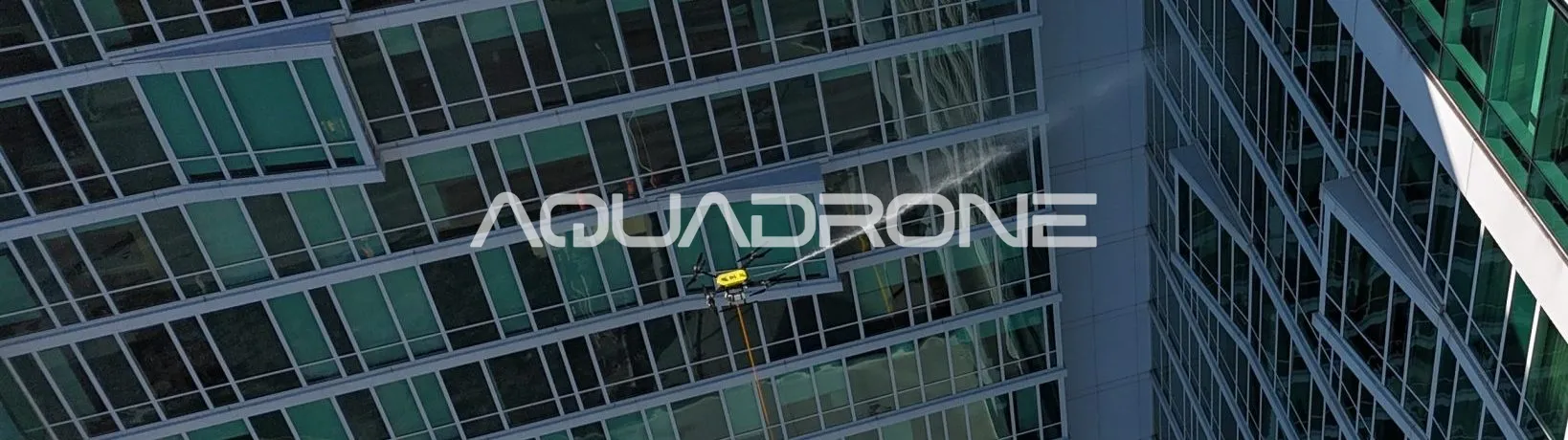
A dedicated drone carries out High-Rise Window Cleaning from the air, with no worker physically on the building's wall. The process involves spraying an active cleaning agent and then rinsing with purified water, which leaves the glass clean and gleaming with no water spots.
The main advantages:
Total safety — no one is suspended at height, so the occupational risk is almost eliminated.
Speed — a building that would take days with rope access is usually finished within a few hours.
Minimal disruption — no ropes outside windows, no technician noise and no need to close off balconies or windows for long periods.
Access to every angle — including hidden corners and complex geometry that are hard to reach with traditional methods.
Who is it best suited to?
Residents' committees in residential towers — fewer complaints from residents and less complicated coordination.
Commercial property management companies — work that doesn't interfere with tenants' day-to-day business.
Hotels — cleaning without disturbing guests.
Office buildings — work that can also be carried out during business hours without disrupting the office.
The question everyone asks: is the result the same as rope access?
Yes, and sometimes even better. Precise water pressure, purified water (reverse osmosis) that leaves no water spots, and real-time imaging to identify dirty areas combine to give a consistent, professional result that doesn't depend on the skill of an individual technician. You can read more about the full process on the building facade cleaning page.
Summary
High-Rise Window Cleaning High-rise window cleaning without rope access isn't just "less dangerous". It is also faster, less disruptive to residents' daily lives and often more cost-effective overall. For tall buildings in Israel, it is no longer a trend but the new professional standard.
Want to arrange a demo or get a quote for your building? Get in touch via the contact page and we'll get back to you with exact details, or read more about us and our method.
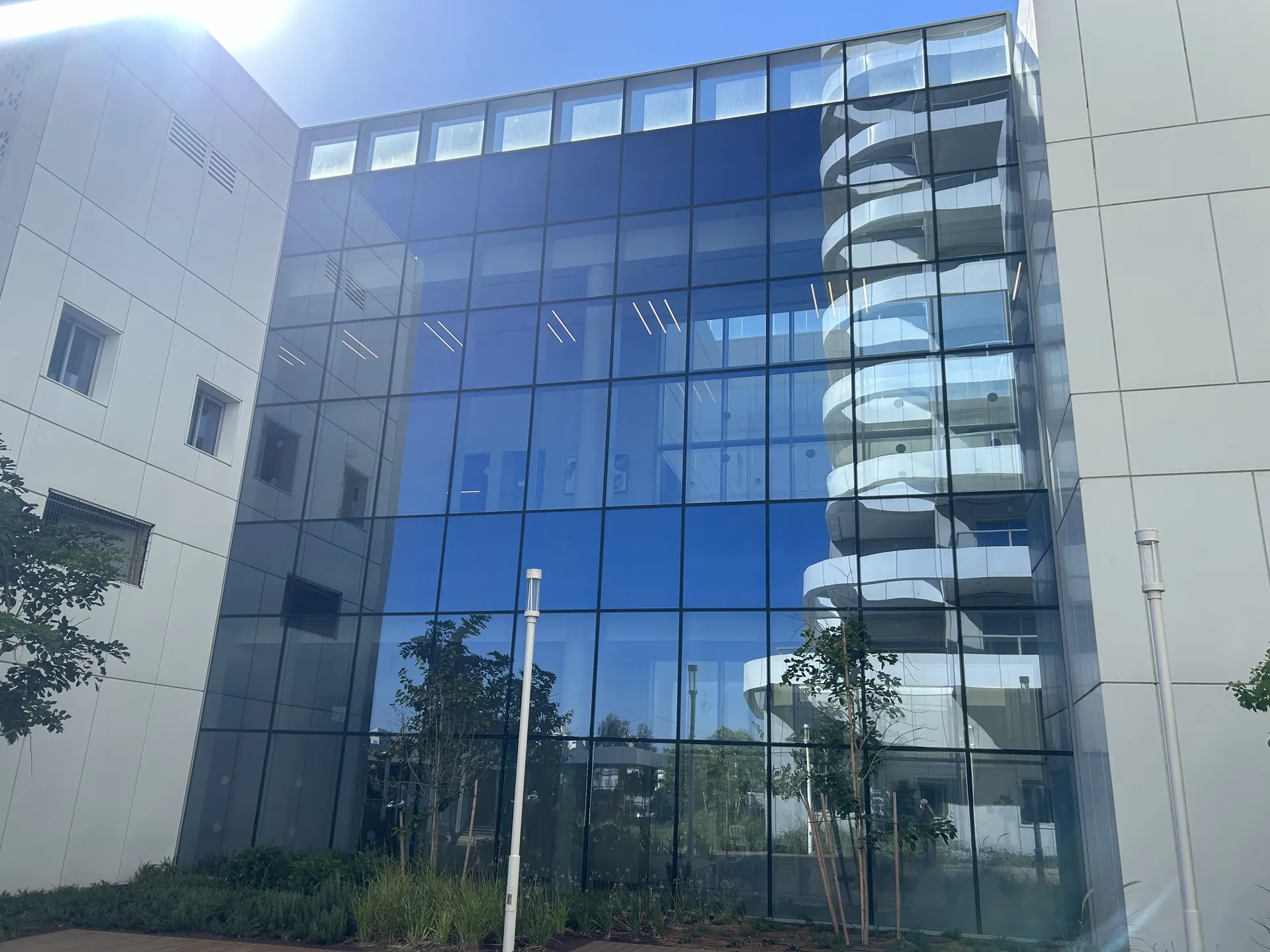
Touchless drone cleaning: how to get a clean result without touching the facade
Touchless drone cleaning: how glass and cladding are cleaned without squeegees or contact, which flight techniques, detergents and water determine the result, and why it takes skilled operators.
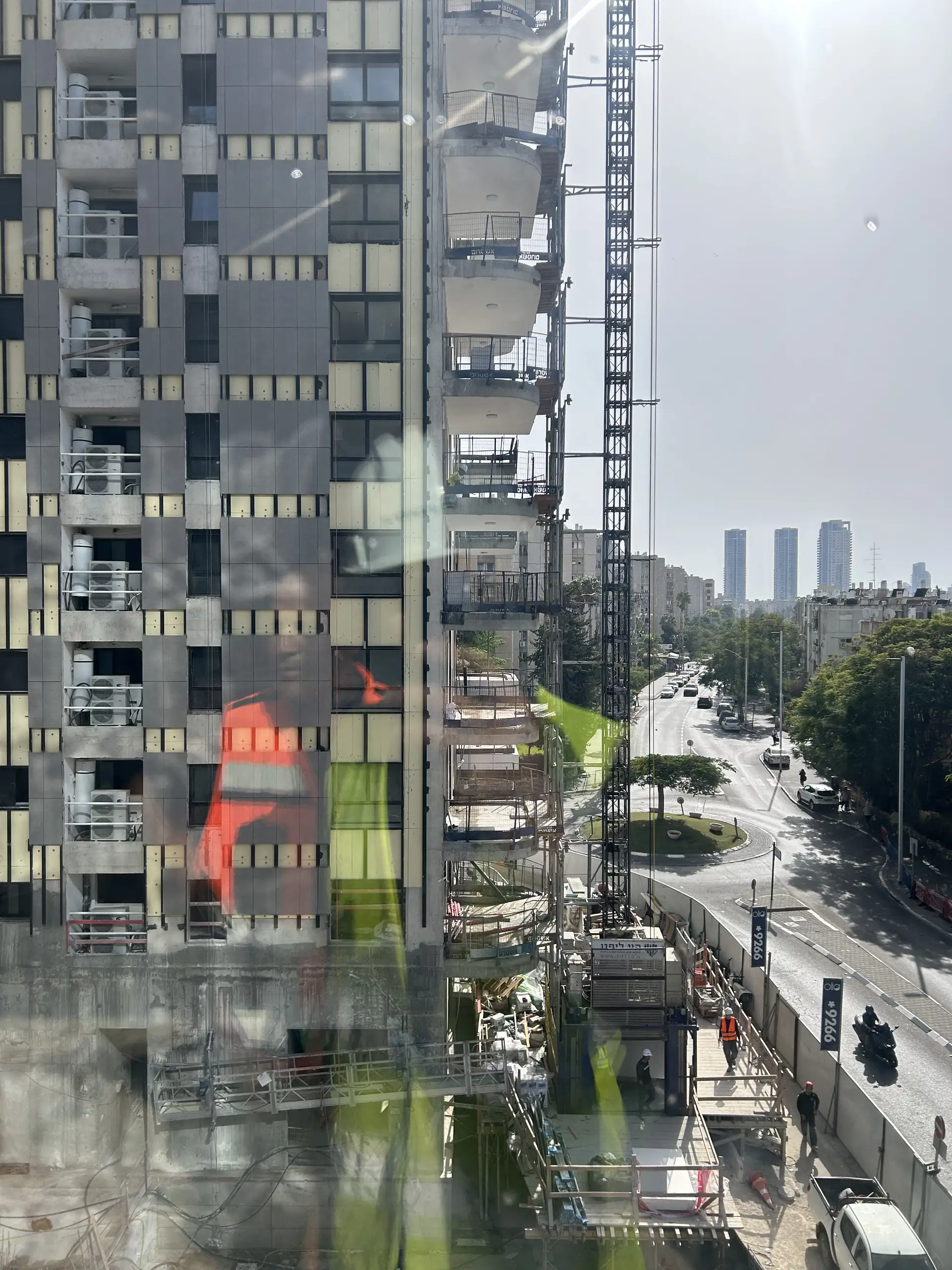
Reverse osmosis window cleaning: why purified water leaves no spots
Reverse osmosis window cleaning: why tap water leaves white spots on glass, how purified water dries without marks, and what the method can't do.
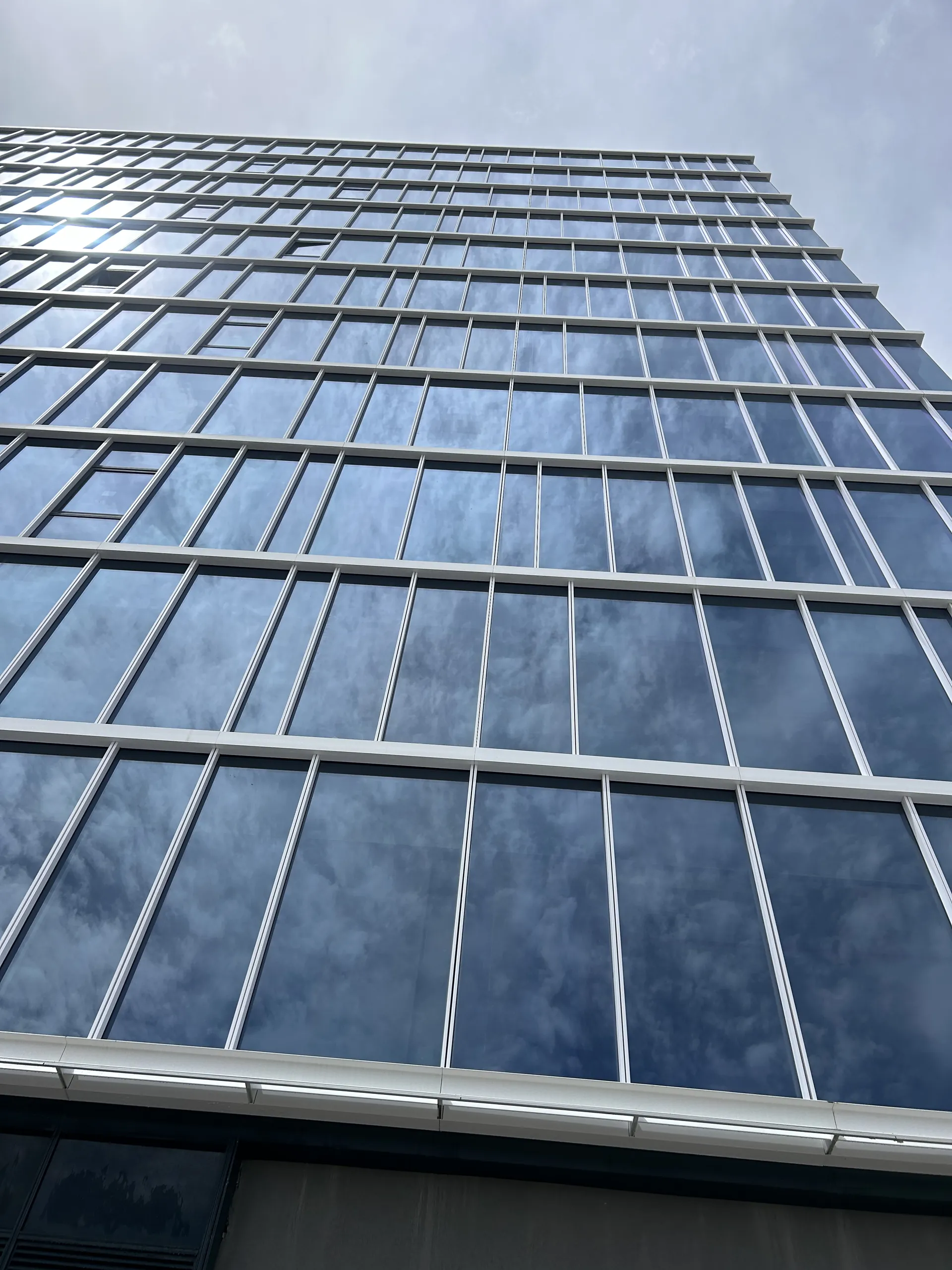
Drone or rope access? A full comparison for facade and high-rise window cleaning
Drone or rope access for your facade? A fair comparison of the two methods on safety, privacy, disruption to residents and hands-on contact, and when each one is the right choice.
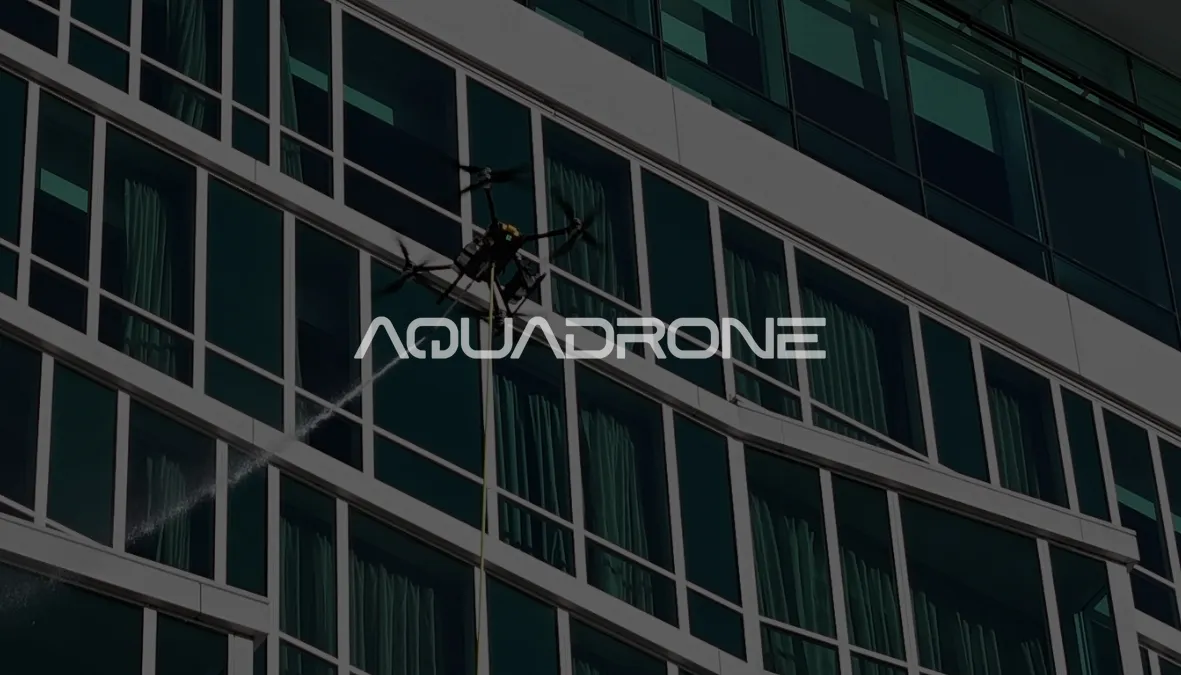
Drone building facade cleaning: the complete guide for property owners
Why property owners and maintenance managers in Israel are moving to cleaning without scaffolding or rope access
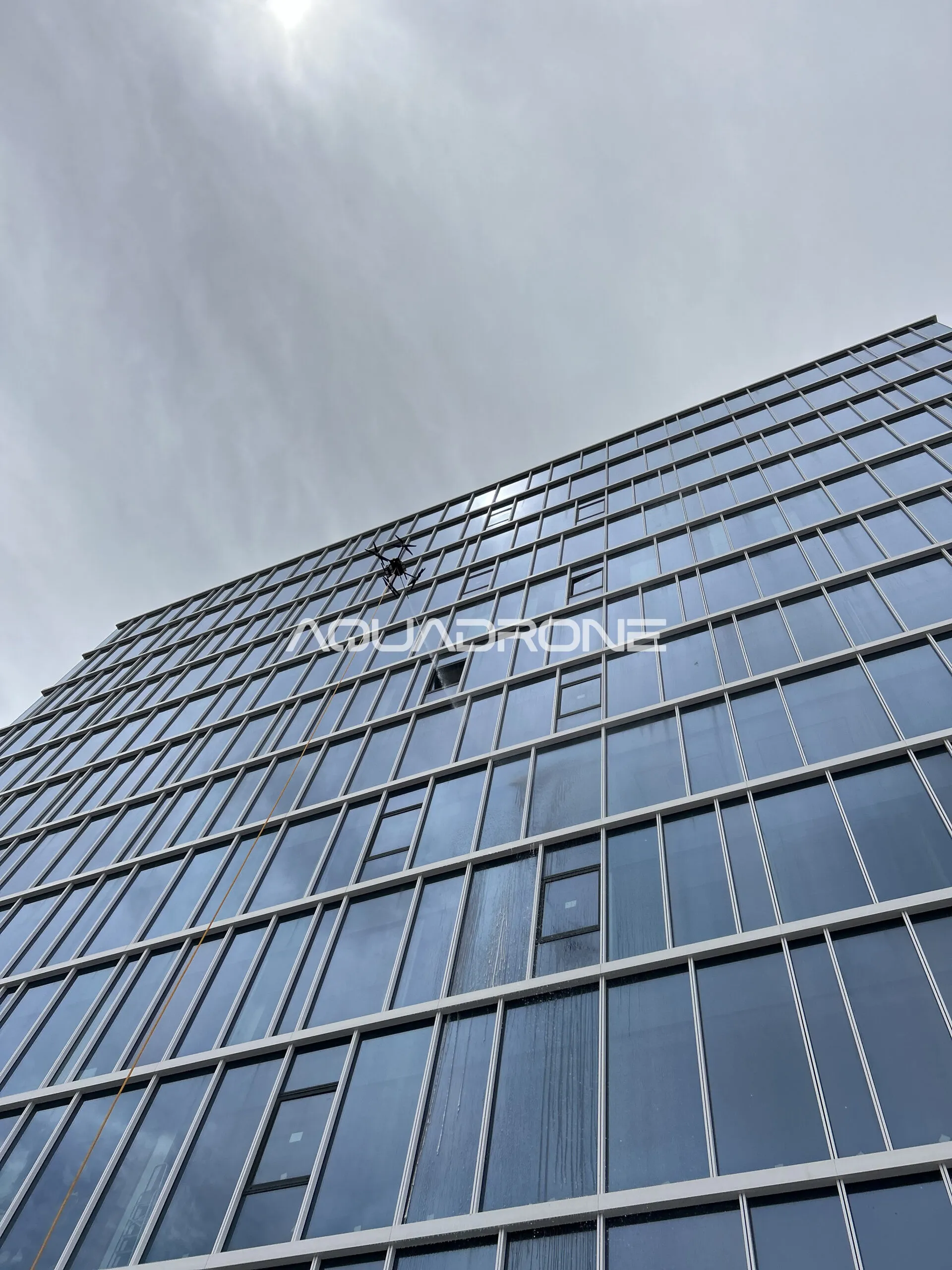
Drone curtain wall cleaning
An advanced solution for cleaning glass facades on tall buildings
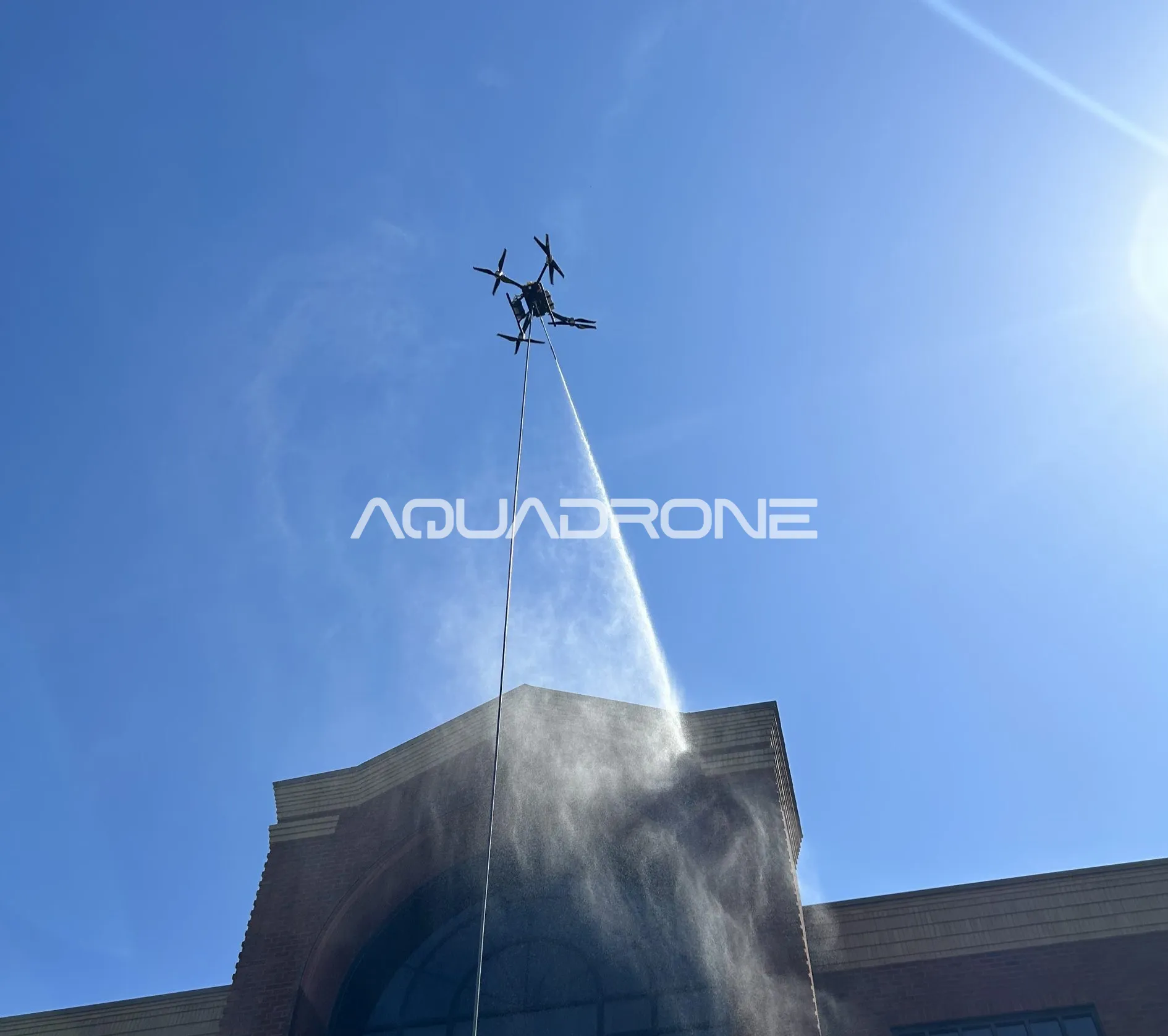
What affects the cost of drone facade cleaning
The factors that shape the cost of a drone facade cleaning project
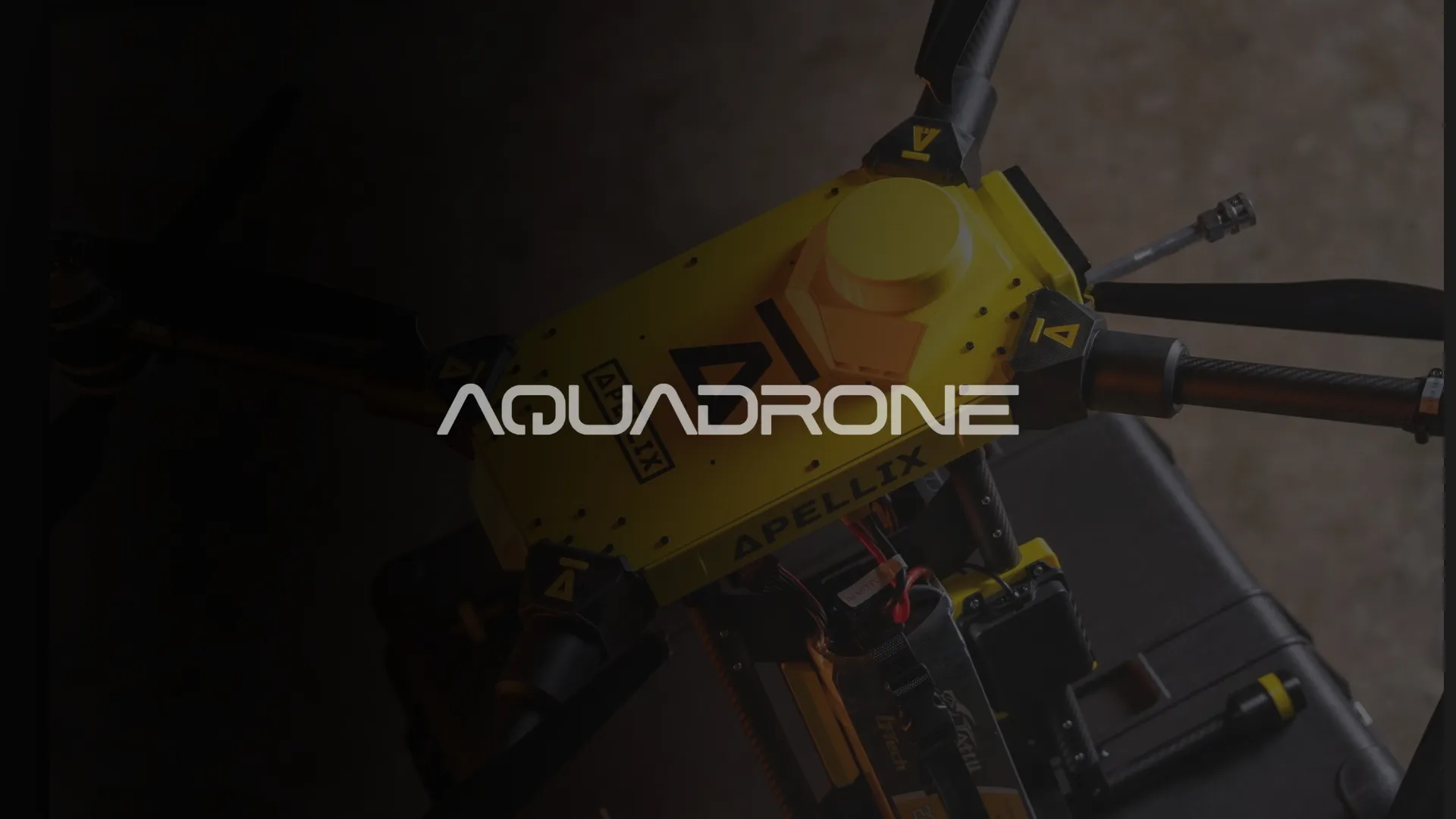
The next generation of cleaning drones
An in-depth look at the new technologies making cleaning work faster, safer and more cost-effective

Drones are changing the rules of building cleaning
Cleaning methods at height are changing, and drones are leading the way
The cleaning revolution: how drones are changing the rules of building maintenance
The shift from traditional cleaning methods to smart solutions in the air