
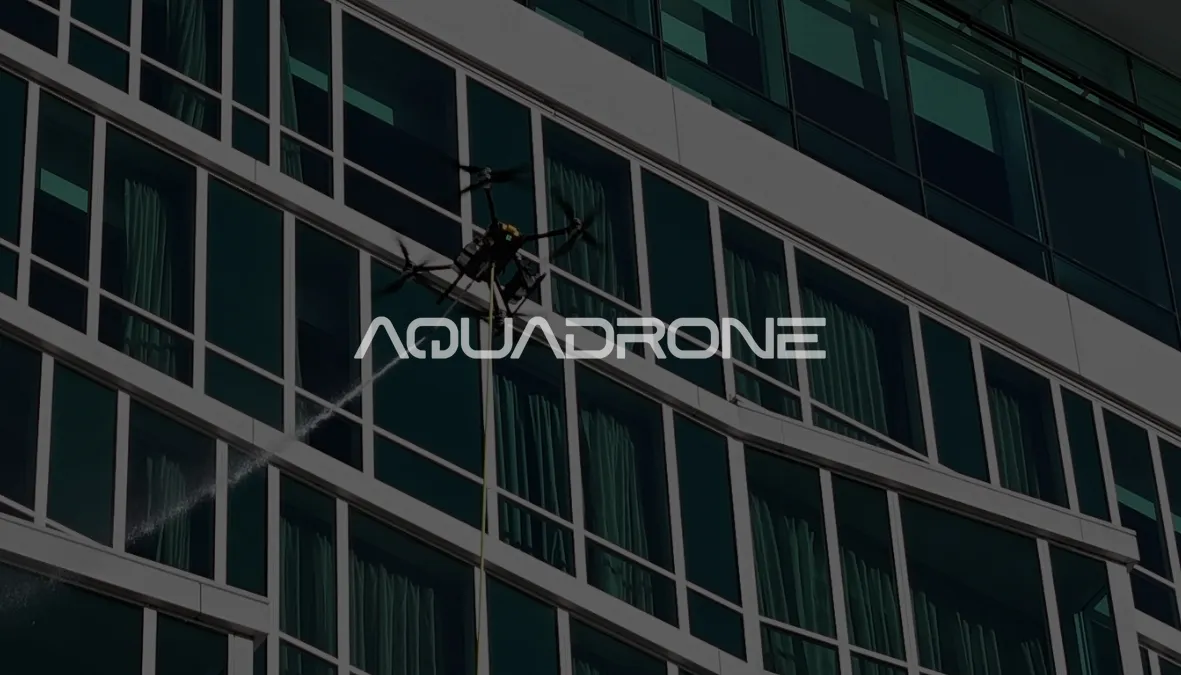
Drone building facade cleaning: the complete guide for property owners
Why property owners and maintenance managers in Israel are moving to cleaning without scaffolding or rope access


A building's facade is its first calling card. Dirt, soot, pigeon stains and environmental deposits don't just spoil its appearance; over time they can also damage finishes, glass and cladding. Until recently, the only options were scaffolding, aerial work platforms or rope access teams: expensive, slow and risky work. Today, drone facade cleaning offers a safe, efficient alternative, and this guide explains exactly why.
What exactly is drone facade cleaning?
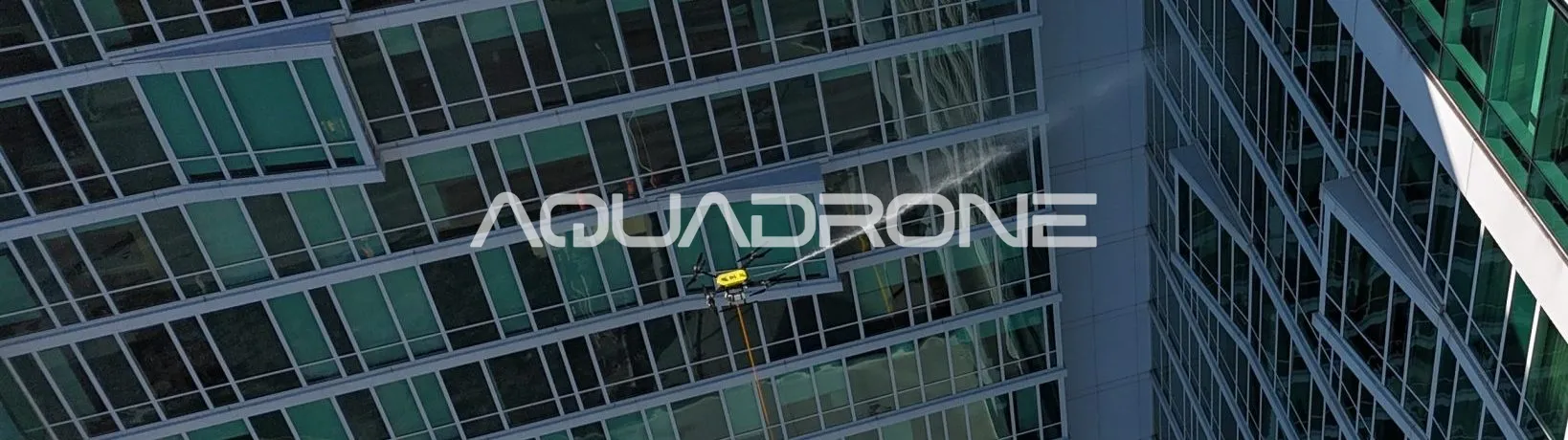
It is a method in which a dedicated drone, fitted with a spraying and high-pressure washing system, cleans the building's facade from the air, with no worker physically on the wall. The drone sprays an active cleaning agent that breaks down dirt, soot and environmental build-up, then rinses with reverse-osmosis purified water, which prevents water spots and leaves an even, gleaming finish.
The process usually has four stages:
- Site survey – assessing the condition of the facade, the cladding type and the level of dirt
- Scheduling – planned around the property's day-to-day activity to minimise disruption to occupants
- Targeted cleaning – spraying an active, environmentally friendly cleaning agent
- Final rinse – with purified water, leaving no water spots or drying marks
Why are property owners and maintenance managers switching to this method?
No scaffolding or rope access needed — this is the biggest advantage. Putting up scaffolding on a tall building can take days and cost a significant amount before cleaning even begins. A drone can be ready to work quickly.
Maximum safety — all the work is done from the ground. No one is suspended at height, which almost completely eliminates the occupational risk of working at height.
Speed — drone cleaning saves up to 80% of the time compared with traditional methods, even on very tall buildings.
Access to every area, including hard-to-reach ones — hidden corners, high facades and buildings with complex geometry are easy for a drone to reach, whereas traditional methods often skip them or only partly cover them.
Operational savings — fewer people, less equipment and fewer working days all translate into lower costs for the client in the medium term.
Who is it suitable for?
Residential and office towers, shopping centres and hotels, industrial buildings and factories, public institutions, and any building with a glass, aluminium or stone facade that is exposed to environmental dirt.
FAQs
Is the method suitable for every type of cladding? Yes. Glass, aluminium, stone and curtain walls are all treated accordingly, with the cleaning agent and pressure adjusted to the surface. Alucobond is washed gently at low pressure.
Are there water marks after cleaning? No. With reverse-osmosis purified water, no water spots or drying marks are left behind.
How often should a building facade be cleaned? It depends on the location and environmental exposure, but most urban buildings benefit from cleaning every one to two years to keep them looking presentable and to prevent damage from building up.
Summary
Drone facade cleaning isn't just a more affordable alternative to traditional methods; it is a safe, fast and efficient solution. As the technology advances, more property owners and maintenance managers in Israel are choosing it as their default method rather than an alternative.
Want to check whether the method suits your building? Contact us on WhatsApp to arrange a no-obligation site survey.
Drone, rope access or aerial work platform: which is right?
| Drone | Rope access | Aerial work platform | |
|---|---|---|---|
| Workers at height | No – the drone is flown from the ground | Yes | Yes |
| Scaffolding/heavy equipment | No | Rope anchoring on the roof | Platform and heavy vehicle access |
| Disruption to surroundings | Minimal; work can also be done after hours and at night | Depends on the scope of work | Area around the building closed off |
| When it suits | Facades, windows and glass at any height | Manual spot treatment | Low-rise buildings with vehicle access |
When should you clean your facade?
There is no single cleaning frequency that suits every building: the surroundings, cladding type and exposure to sun and rain decide how quickly a facade gets dirty. For full details, see 6 signs it's time to clean your building's facade.
Questions to ask before booking drone facade cleaning
- Is the method suitable for my cladding type?
- Do residues (concrete/paint) need to be scraped off by hand before washing?
- Can you work outside business hours?
- What do I get at the end – is there a report with photos?
- What affects the cost for my building?
New building? See pre-handover building cleaning. Solar system? See solar panel cleaning.
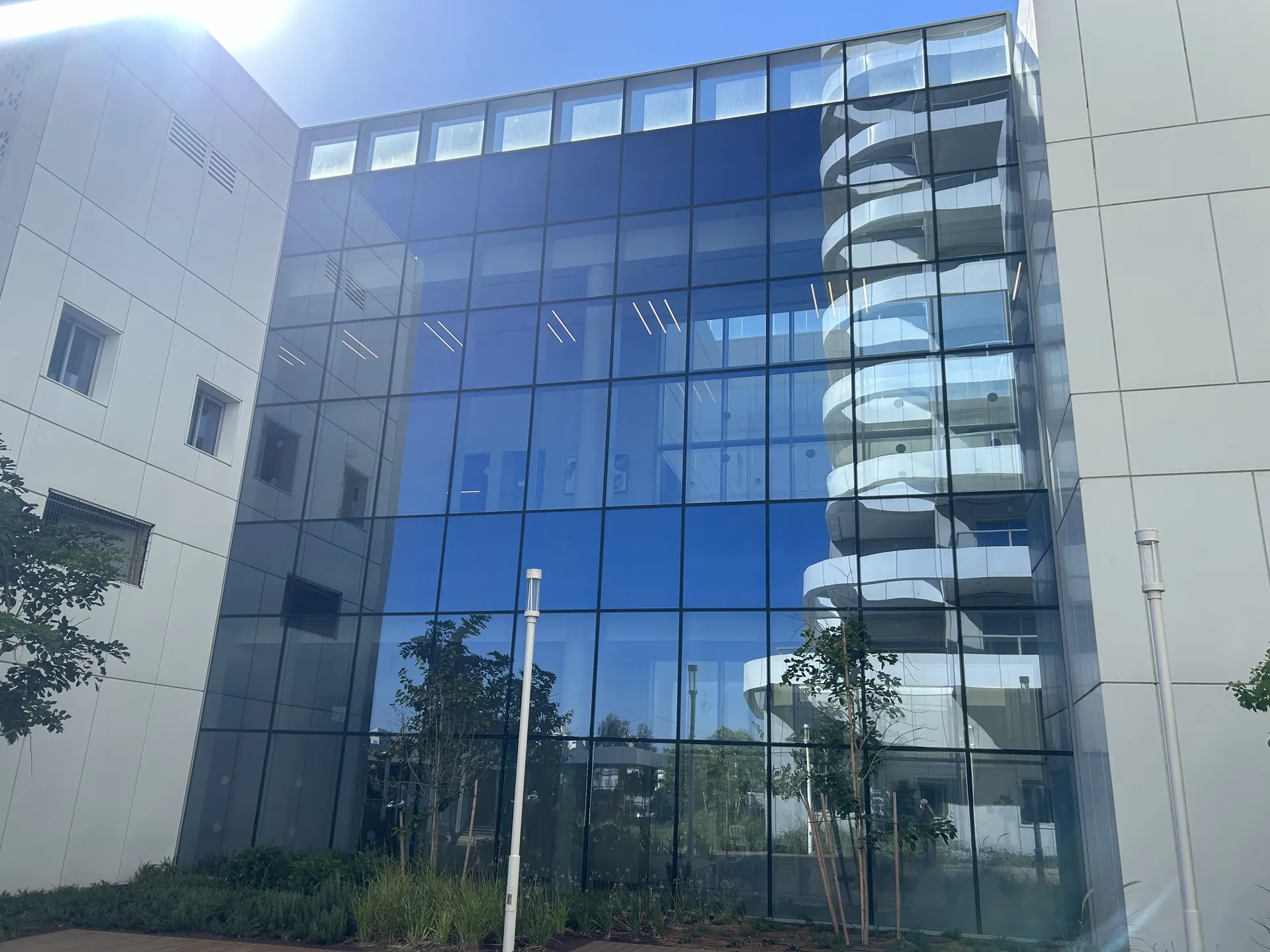
Touchless drone cleaning: how to get a clean result without touching the facade
Touchless drone cleaning: how glass and cladding are cleaned without squeegees or contact, which flight techniques, detergents and water determine the result, and why it takes skilled operators.
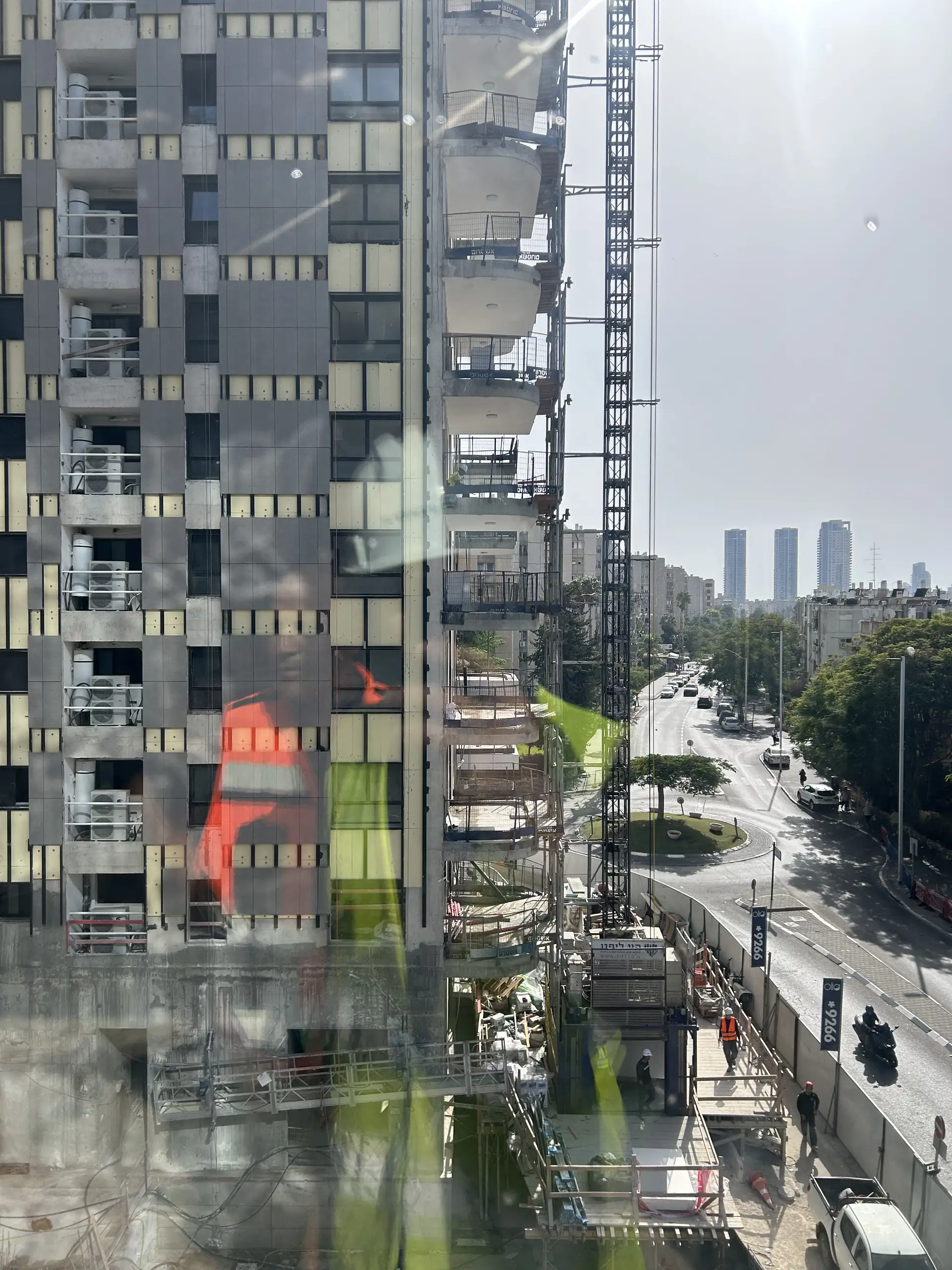
Reverse osmosis window cleaning: why purified water leaves no spots
Reverse osmosis window cleaning: why tap water leaves white spots on glass, how purified water dries without marks, and what the method can't do.
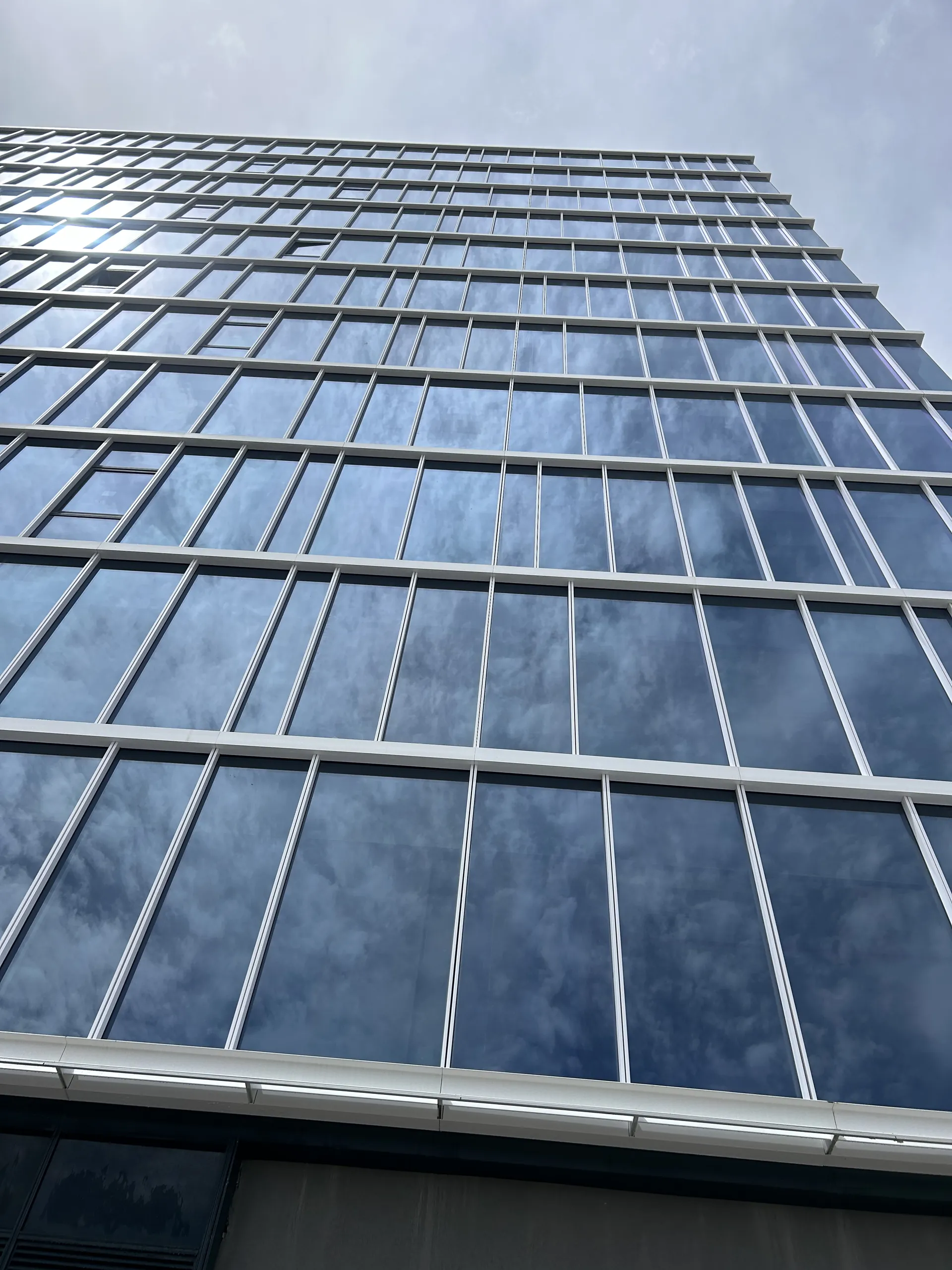
Drone or rope access? A full comparison for facade and high-rise window cleaning
Drone or rope access for your facade? A fair comparison of the two methods on safety, privacy, disruption to residents and hands-on contact, and when each one is the right choice.
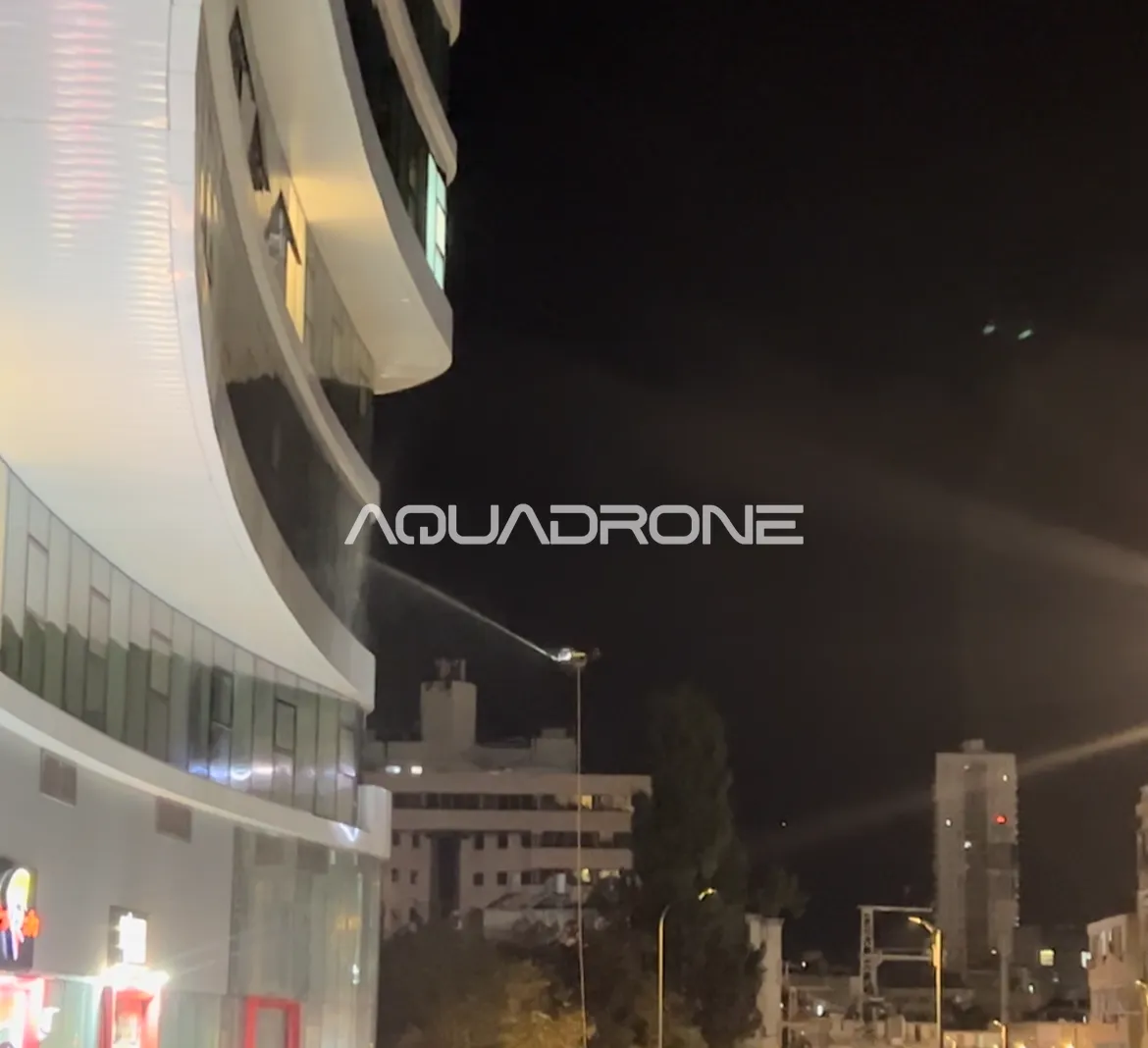
High-rise window cleaning without rope access: the safe solution for residential and office towers
For years, cleaning windows on residential and office towers automatically meant rope access: a team of technicians hanging on ropes, working down floor by floor, while residents and passers-by had to work around the job happening right above their heads. Today there is an alternative: drone high-rise window cleaning, and more and more residents' committees and property management companies are considering it. What's the problem […]
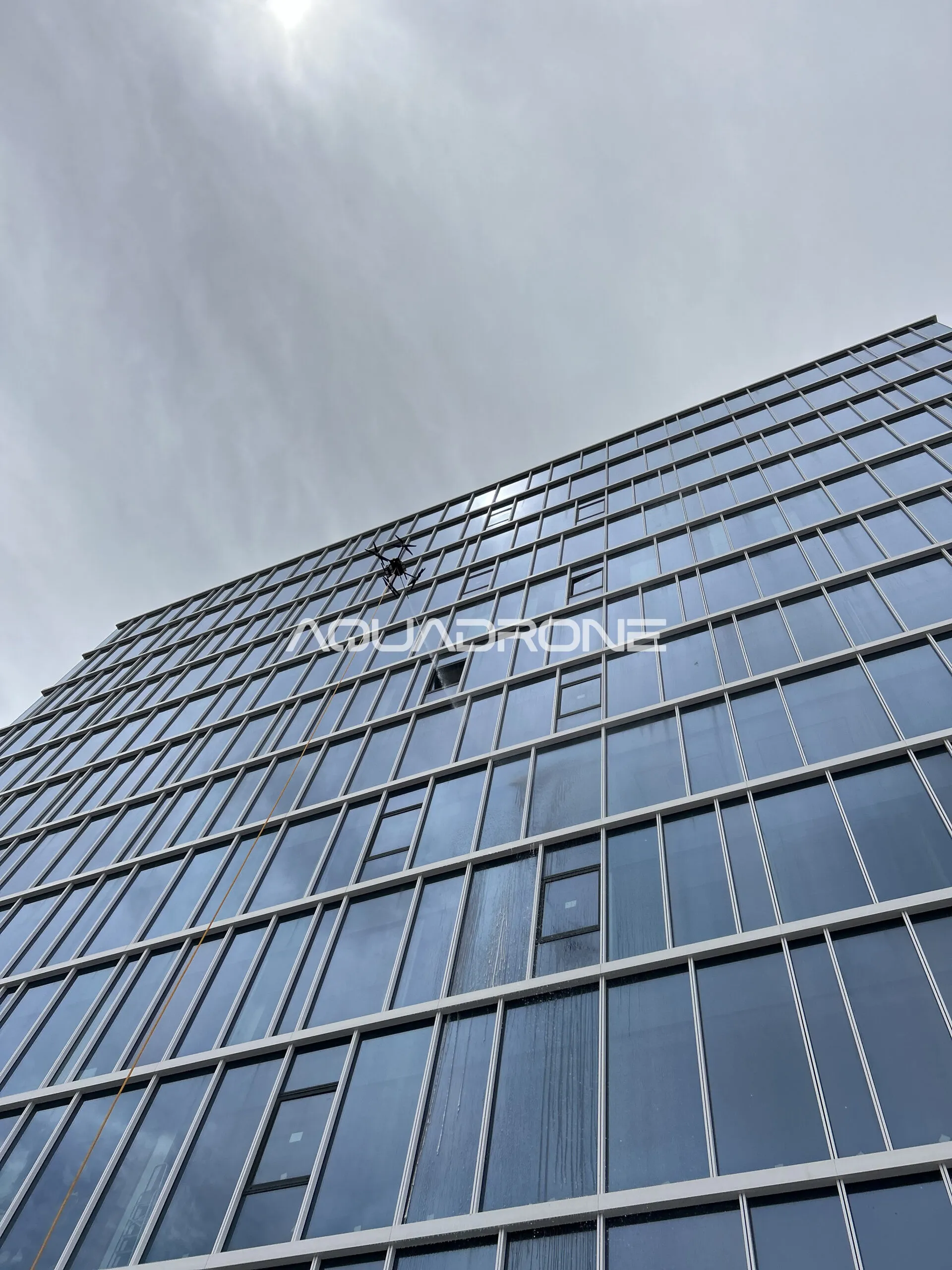
Drone curtain wall cleaning
An advanced solution for cleaning glass facades on tall buildings
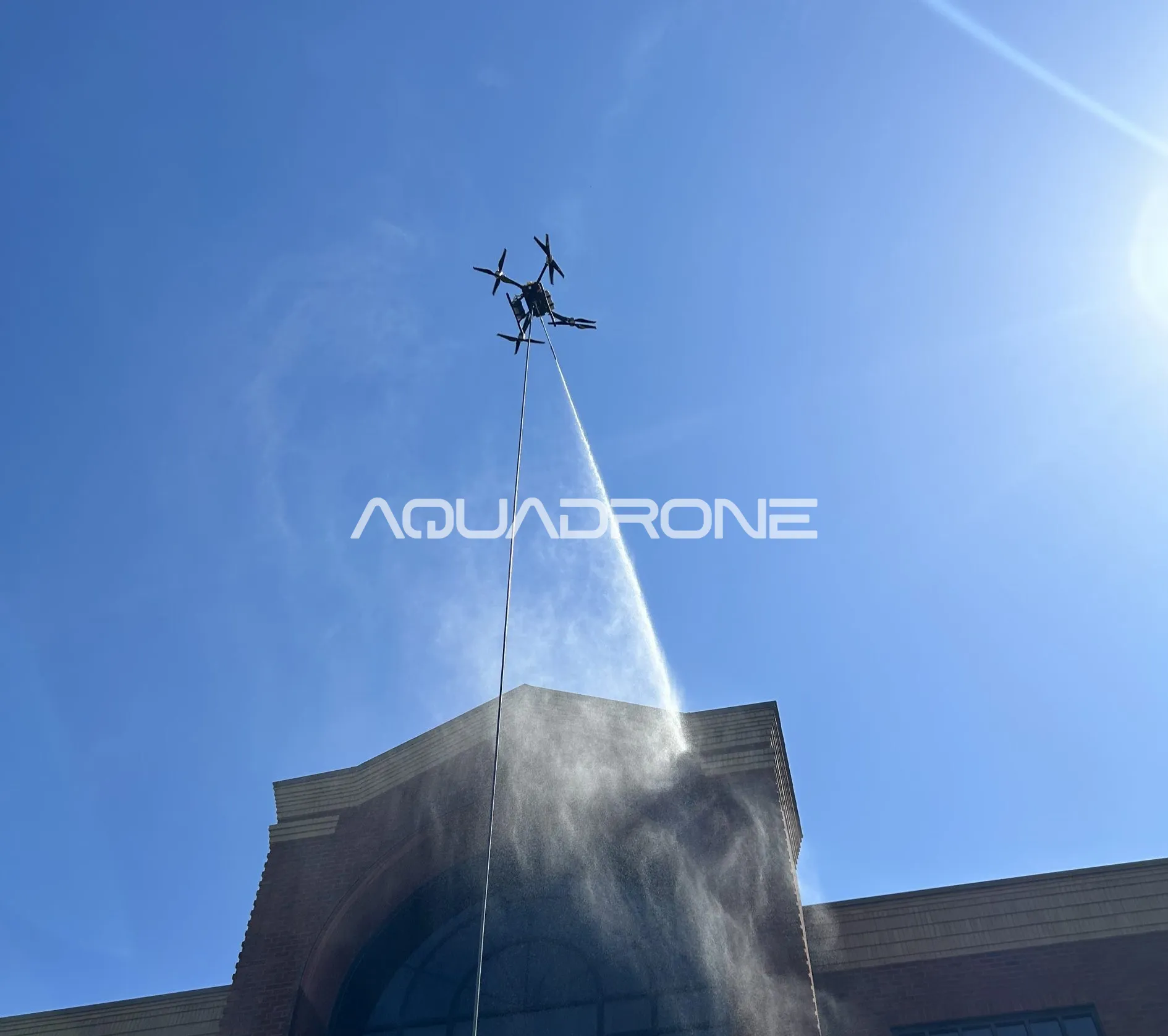
What affects the cost of drone facade cleaning
The factors that shape the cost of a drone facade cleaning project
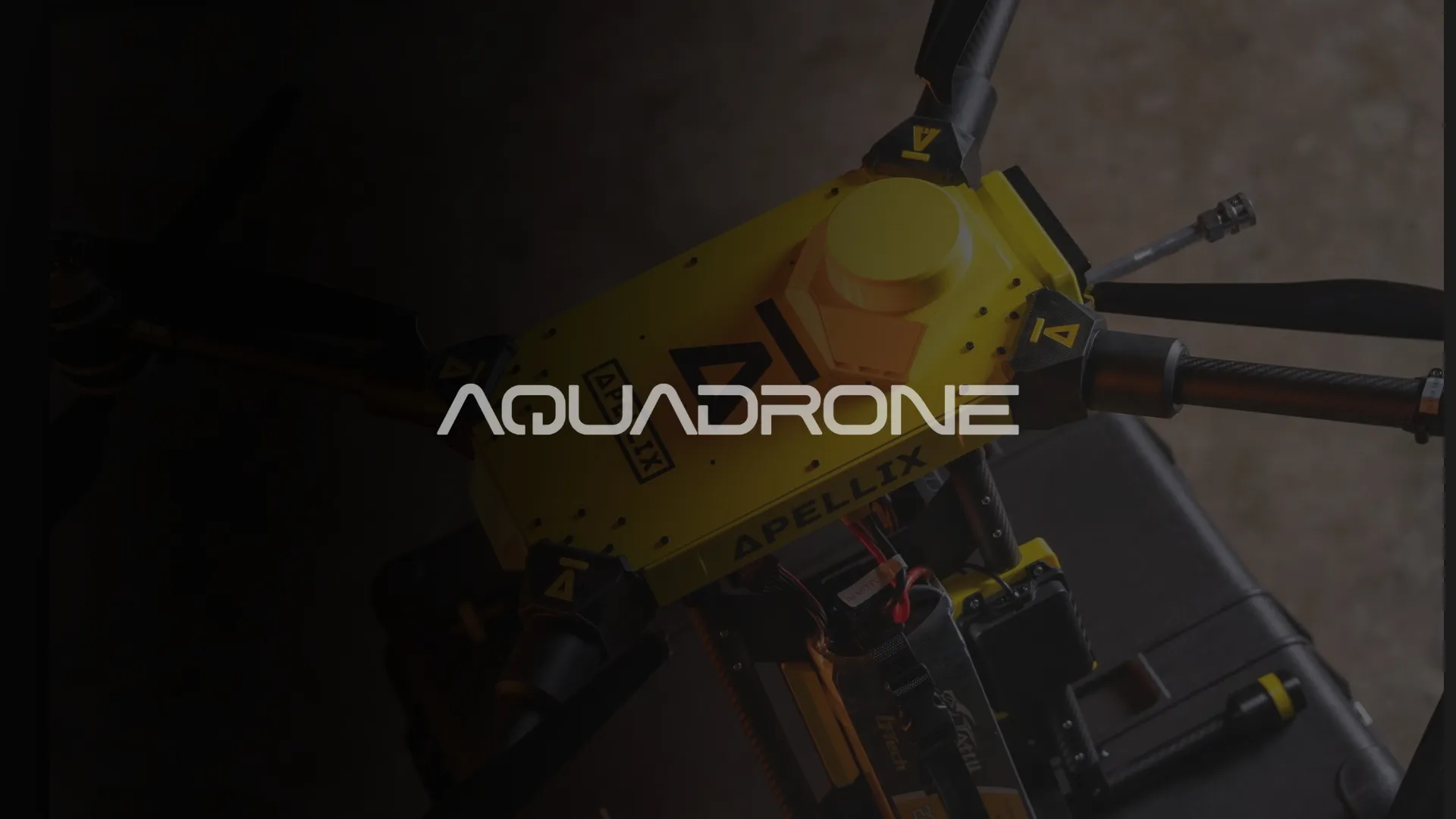
The next generation of cleaning drones
An in-depth look at the new technologies making cleaning work faster, safer and more cost-effective

Drones are changing the rules of building cleaning
Cleaning methods at height are changing, and drones are leading the way
The cleaning revolution: how drones are changing the rules of building maintenance
The shift from traditional cleaning methods to smart solutions in the air