
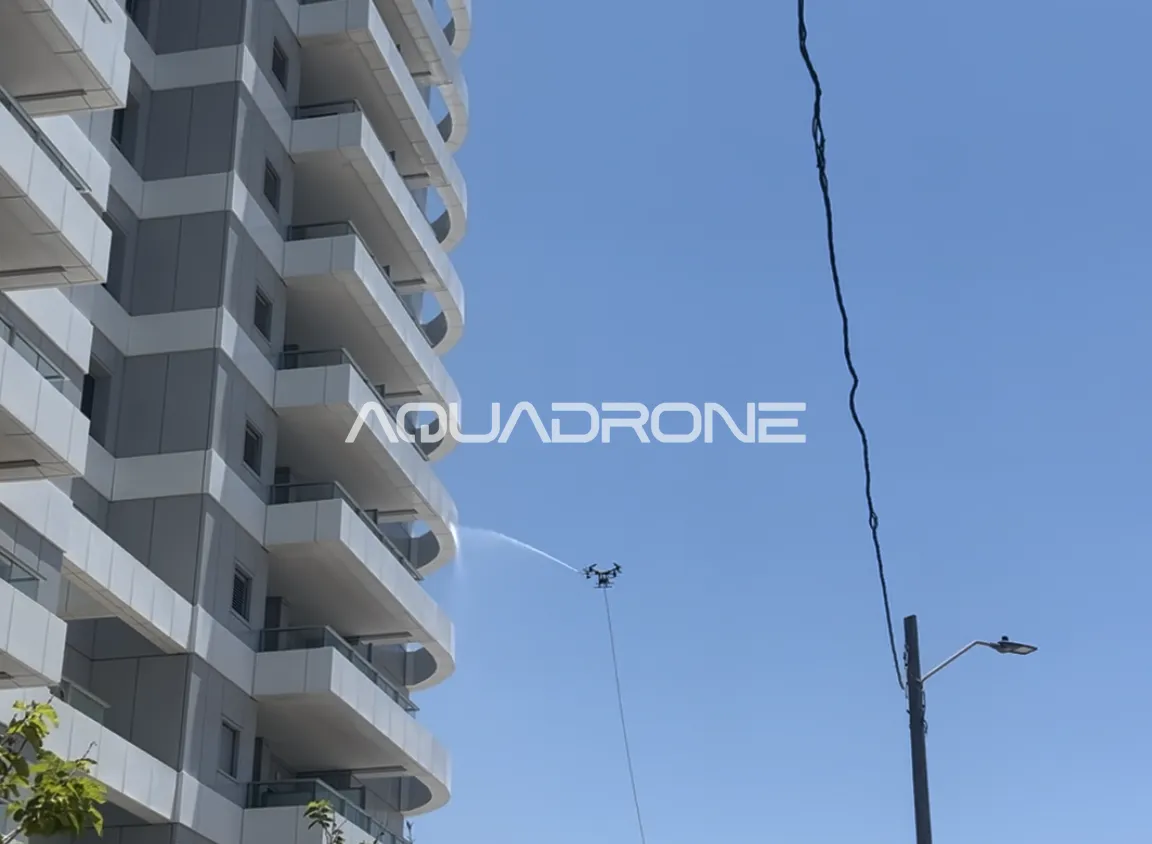
Cleaning inaccessible areas of buildings: a solution that finally reaches everywhere
Why part of the facade always gets "forgotten" in traditional cleaning, and how to fix it


Cleaning hard-to-reach areas is one of the most common challenges in building maintenance, and ironically these are the very areas where the most dirt builds up, because they are almost never cleaned properly. Upper corners, recesses between building wings, areas above sloping roofs or under projecting beams all tend to stay "out of the picture", even after a full facade clean.
Why do buildings have hard-to-reach areas at all?
Modern buildings often have complex geometry: internal corners, projecting balconies, ventilation recesses, spaces between two adjoining wings and roofs at different heights. Traditional cleaning methods, whether scaffolding, rope access or water-fed poles from the ground, simply aren't designed to reach all these angles safely or efficiently. The result is that the crew cleans what it can reach and skips the rest.
What's the problem with neglecting hard-to-reach areas?
Long-term neglect of inaccessible corners isn't just a cosmetic problem:
- Faster dirt build-up — shaded, inaccessible areas tend to develop mould and biological growth faster, precisely because they never get cleaned regularly
- Hidden structural damage — cracks or leaks in hidden areas are often only discovered once the damage is significant, similar to the recommendations of the Ministry of Construction and Housing on periodic inspections of the building envelope
- An uneven overall look — even if most of the facade is clean, one neglected corner stands out and spoils the overall impression
How does drone cleaning solve the problem of hard-to-reach areas?
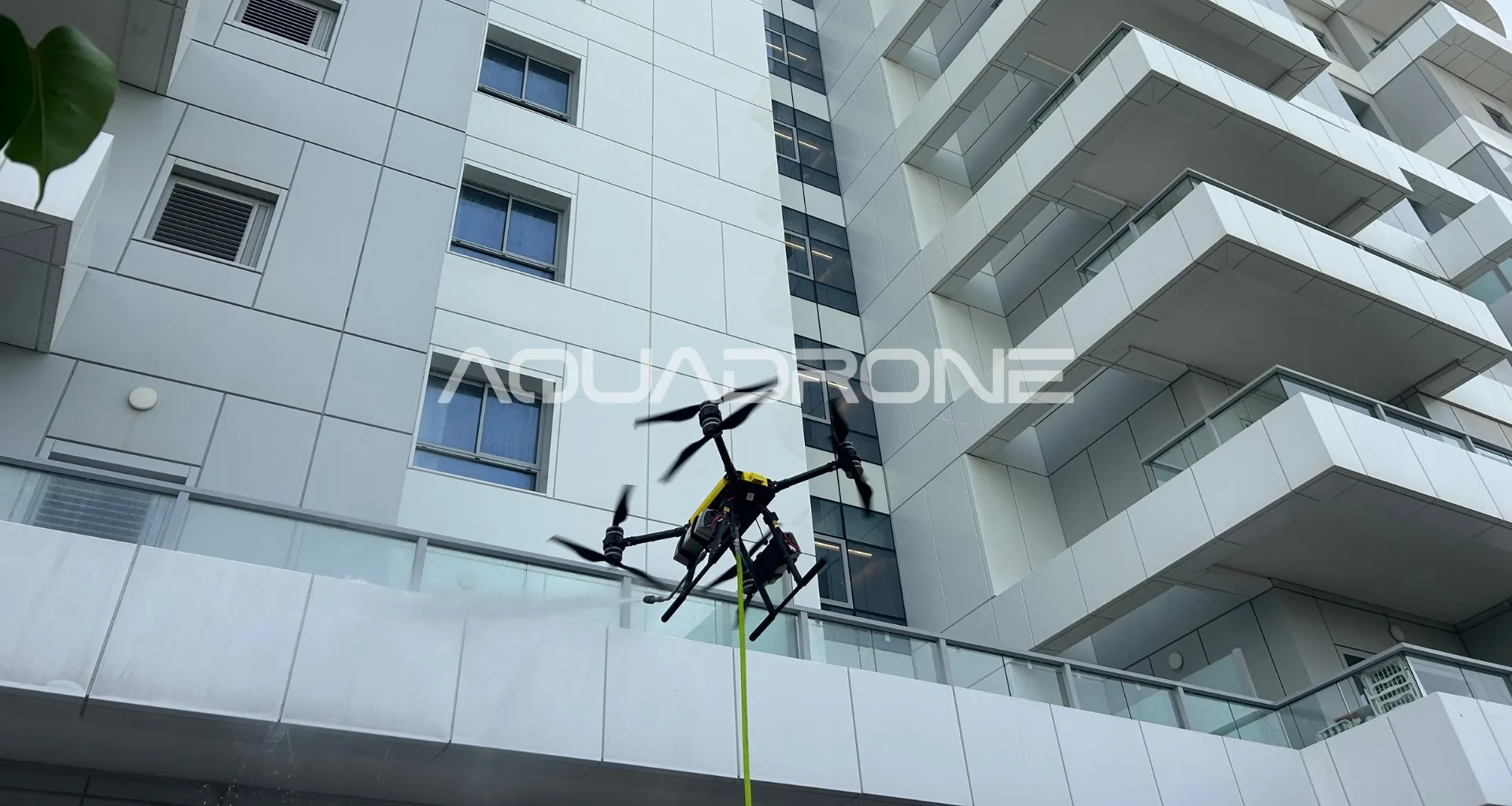
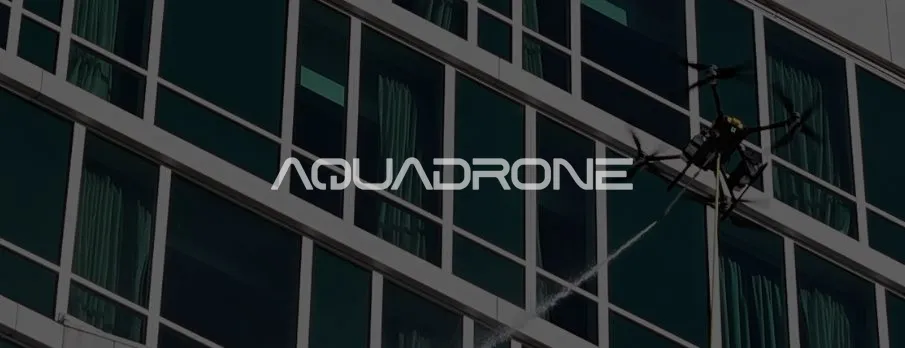
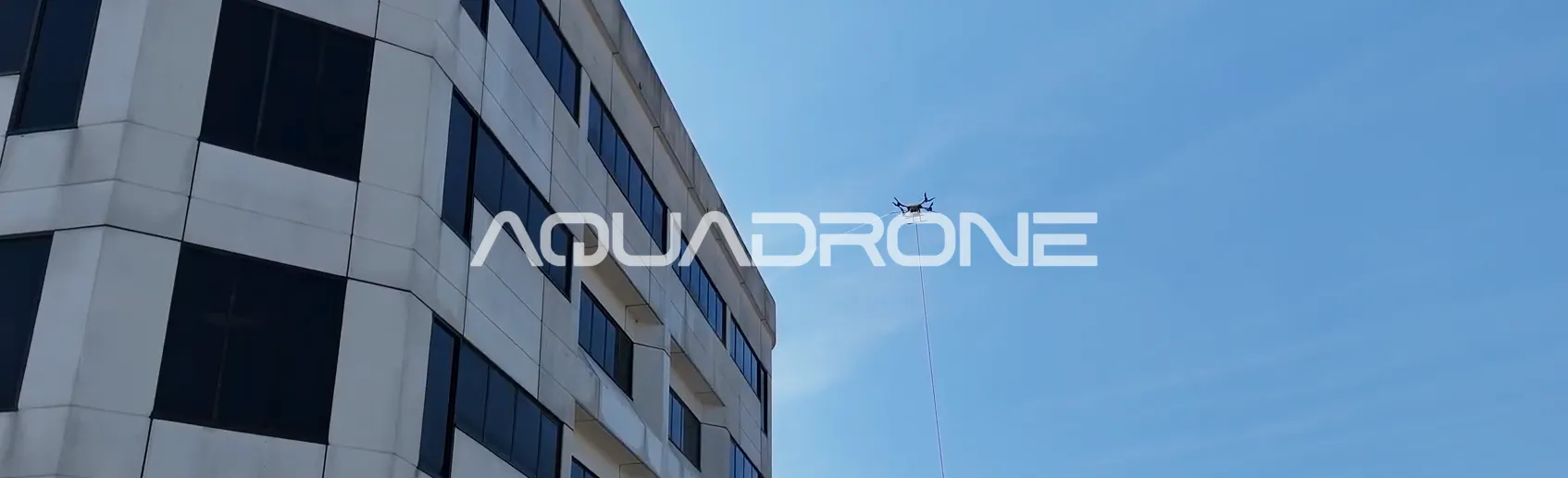
True three-dimensional access — a drone isn't limited to a single working angle like scaffolding or rope access. It can manoeuvre around corners, under projections and between adjoining building wings, exactly the places that always stay "out of the picture".
Precise detection with real-time imaging — 4K + AI imaging technology pinpoints exactly where dirt is building up, even in areas that are hard to see with the naked eye from the ground.
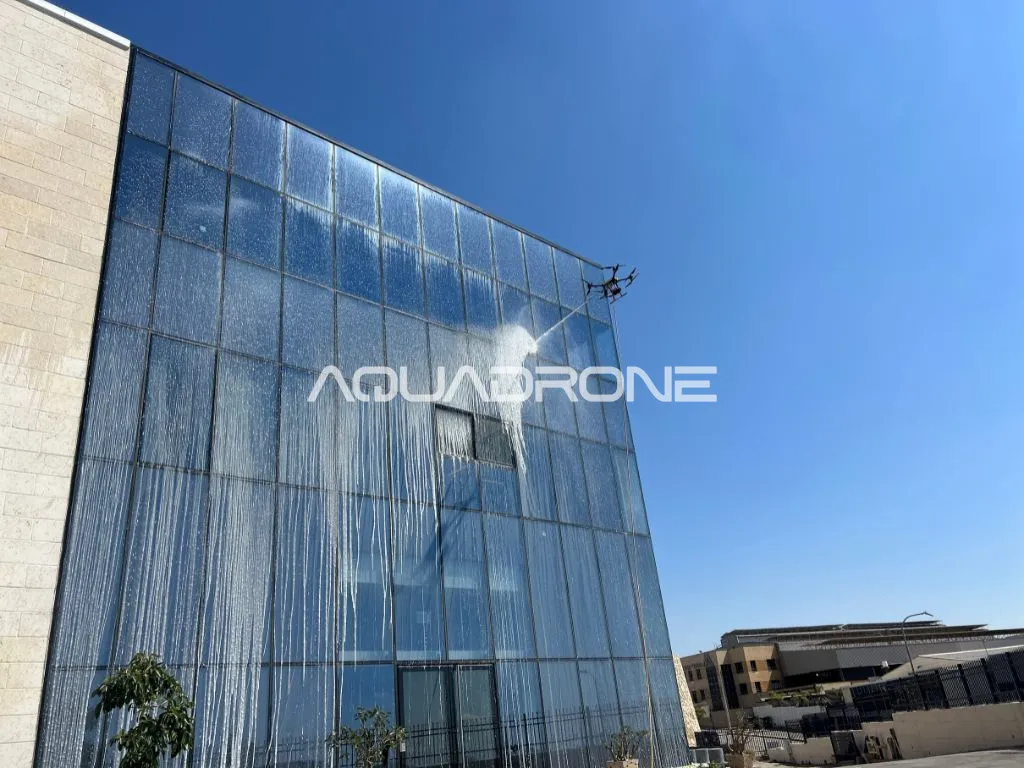
Targeted spraying and rinsing — instead of skipping a problem area, the spray system treats it directly, including a final rinse with purified water that prevents water spots even at the most awkward angles.
No risk to the crew — inaccessible areas are often also the most dangerous to climb to. Cleaning from the air removes that risk completely.
Which areas usually count as "hard to reach"?
Internal corners between building wings, ventilation recesses and niches, areas under beams and architectural projections, sloping and intermediate roofs, and narrow gaps between neighbouring buildings.
Who should pay particular attention to this?
Buildings with complex or non-standard architecture, historic or older buildings with extensions added over the years, and adjoining buildings where the gap between them is almost impossible to reach with ordinary cleaning equipment. You can read more about our full working method and how it handles complex buildings.
Summary
Cleaning hard-to-reach areas is exactly where traditional cleaning methods consistently fall short, not through a lack of professionalism but because of a real physical limitation of the equipment. Drone cleaning tackles the problem at its root, so there are no more "forgotten corners" on your building's facade.
Spotted areas on your facade that no one manages to clean? contact page for an initial, no-obligation site survey.
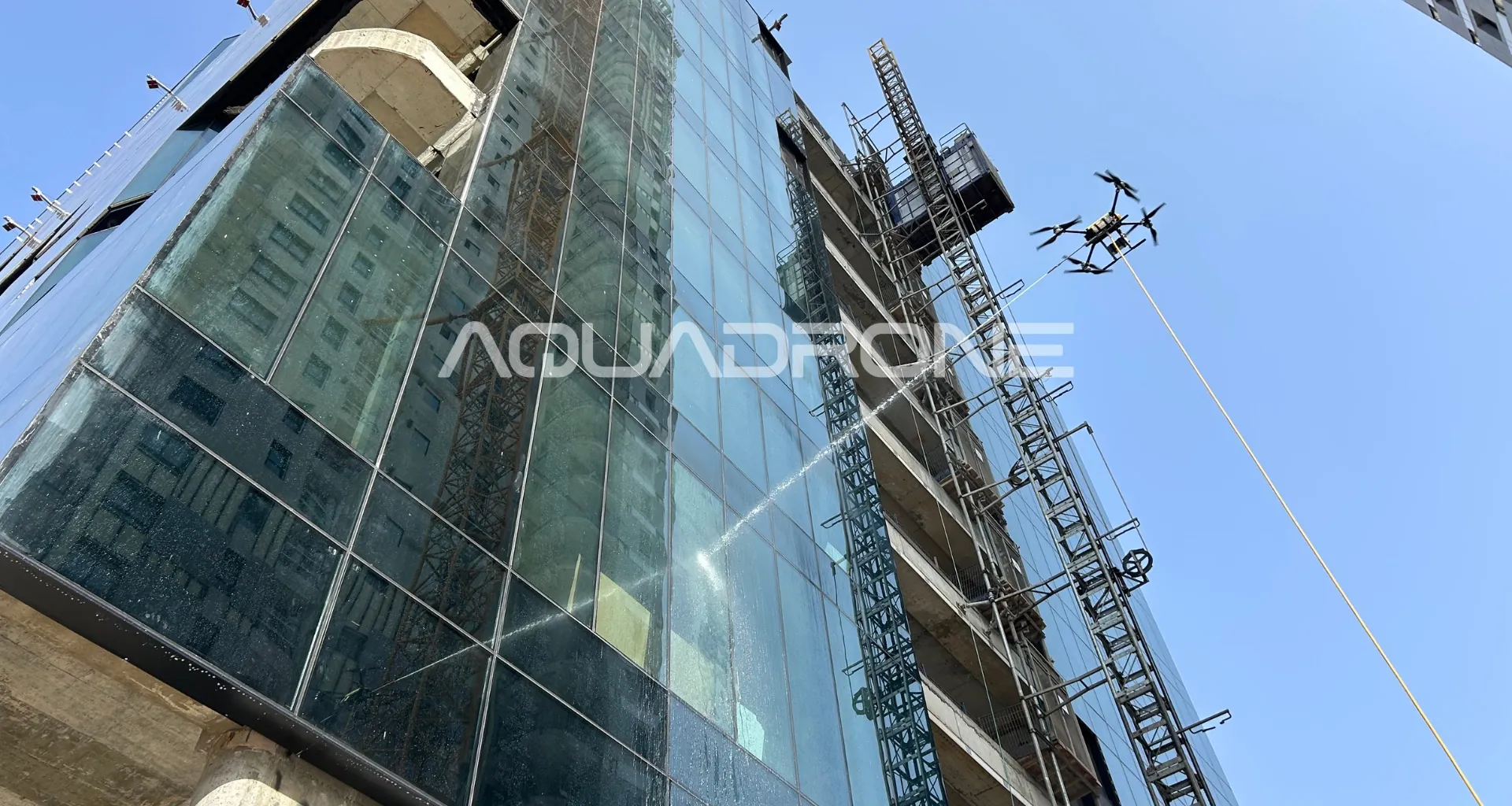
New building facade maintenance: why drone cleaning from handover pays off
New building facade maintenance starts on handover day. How drone cleaning protects glass, aluminium and stone, avoids scaffolding and helps prevent costly repairs over the years.
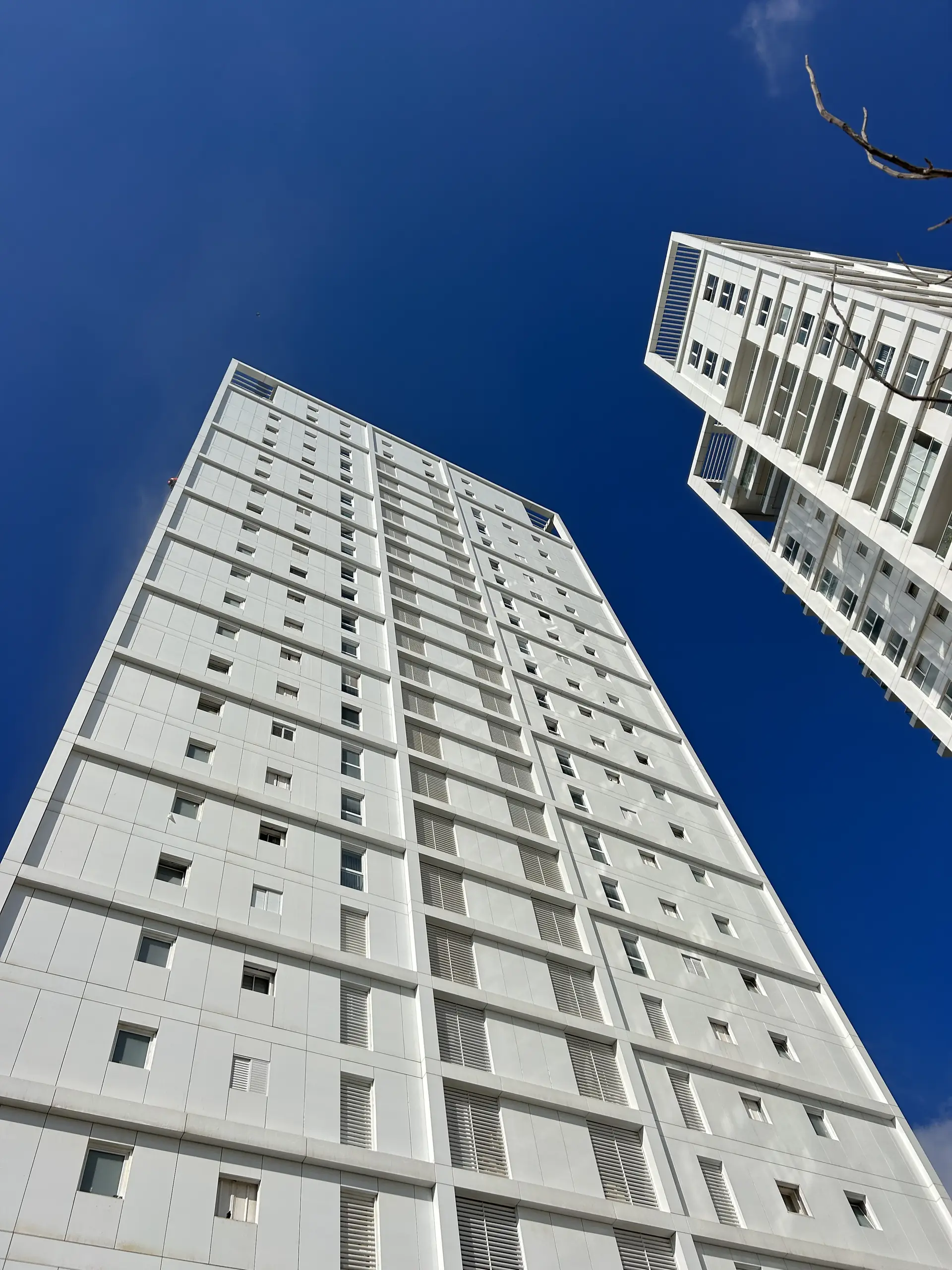
Alucobond cleaning: how to clean composite panels without damaging the finish
Alucobond cleaning needs a gentle touch: what makes panels look dull, why we work at low pressure with detergent that is rinsed off quickly, how joints are handled and how a drone works on these facades.
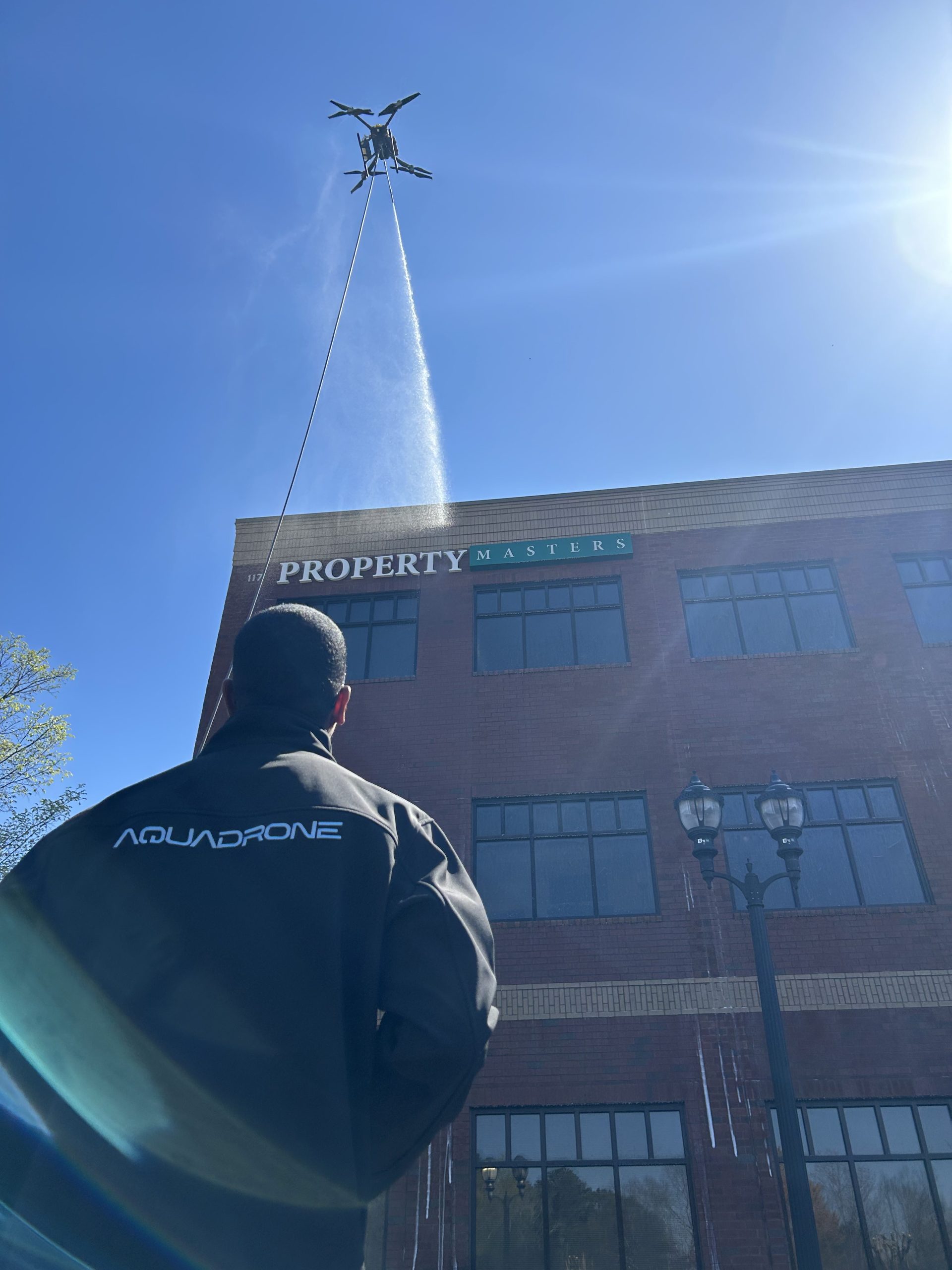
How to choose a facade cleaning company: 10 questions to ask before you sign
How do you choose a facade cleaning company? A checklist of 10 questions to ask before signing, covering method, scope of work, insurance, exclusions and documentation, plus warning signs to look out for.
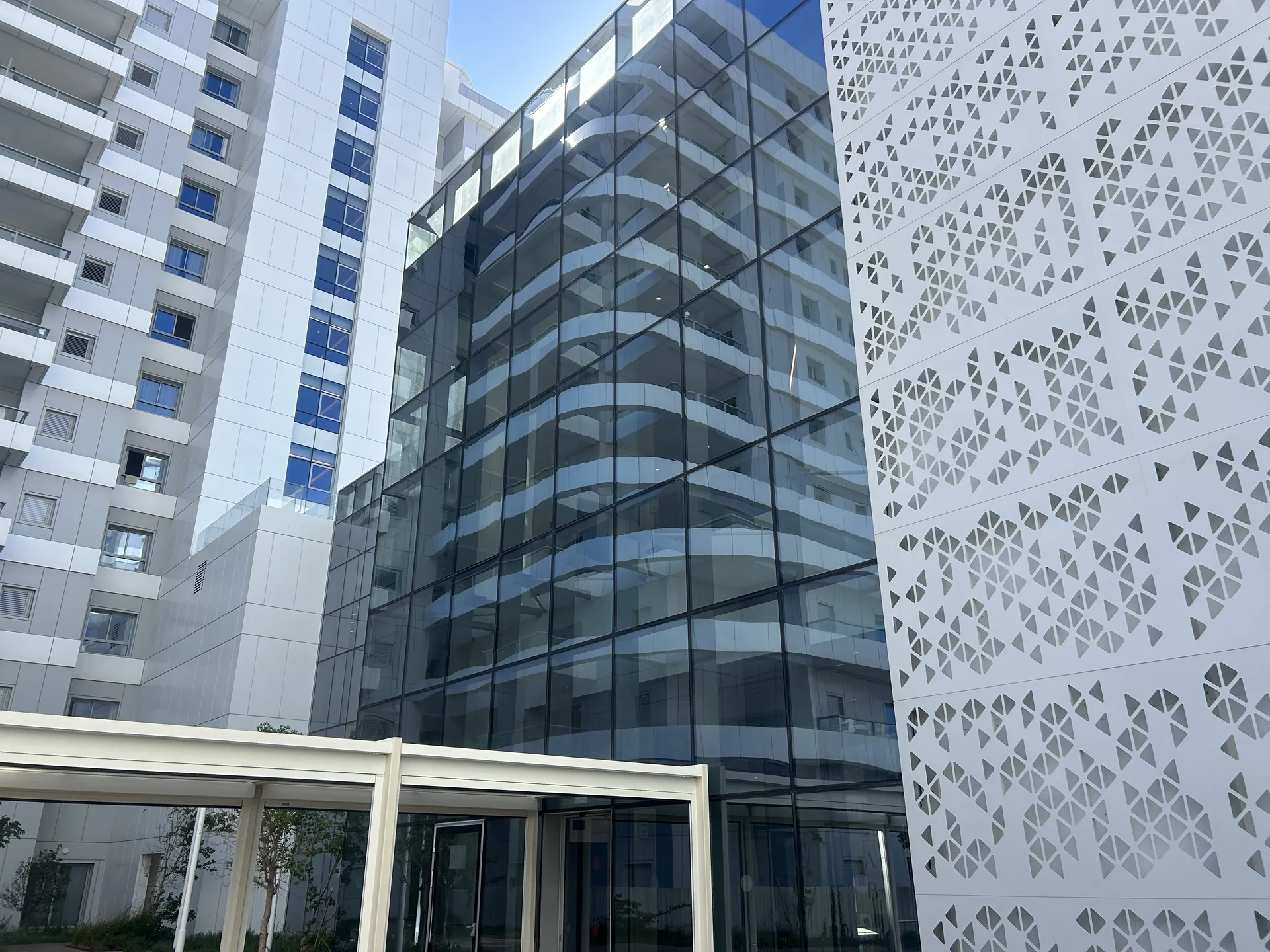
Aluminium and Alucobond cladding cleaning: what manufacturers recommend and how to protect the paint
Aluminium and Alucobond cladding cleaning: what manufacturers' guidelines say about detergents, water pressure and working hours, and how to plan cleaning that doesn't damage the painted finish.
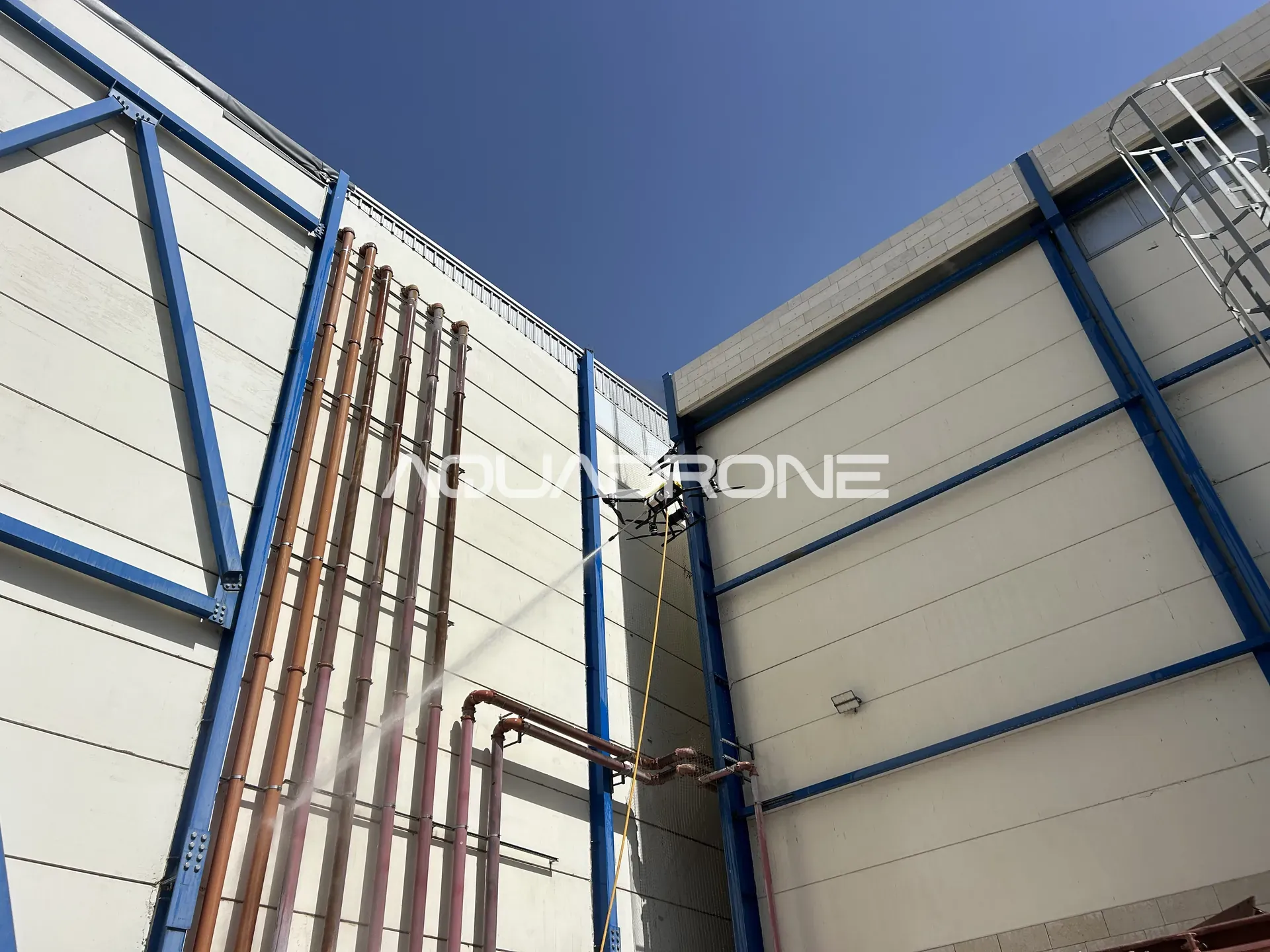
Drone factory facade cleaning: how cleaning protects the building from wear and cracks
Drone cleaning of factory, warehouse and logistics centre facades: what builds up on the envelope, how soot, mould and salts contribute to wear and cracks, and how to clean without scaffolding or disrupting operations.
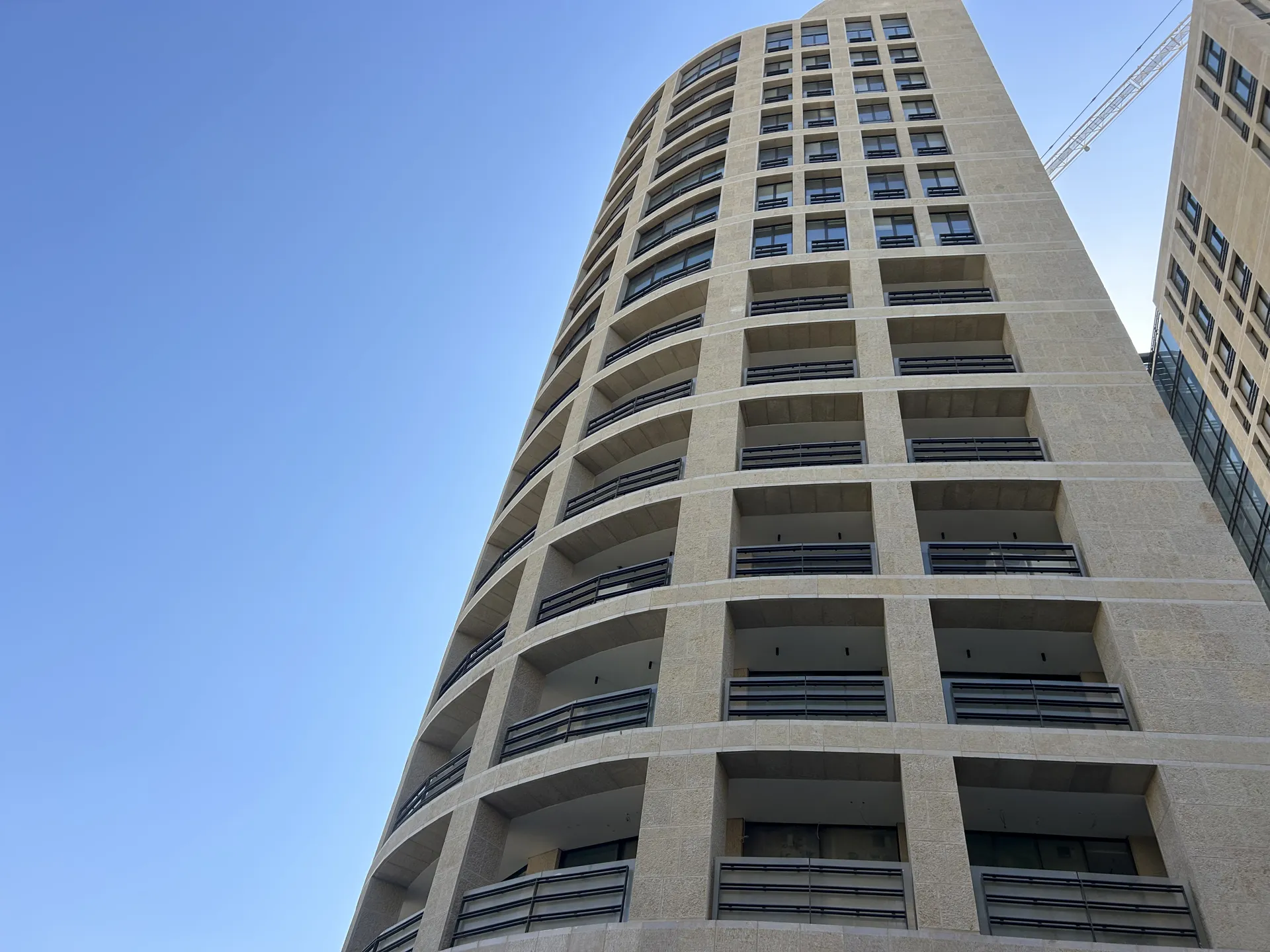
Stone facade cleaning: how to clean natural stone without damaging it
Stone facade cleaning calls for a gentle method: why acid and high pressure harm natural stone, how drone cleaning works without touching the stone, and what to check before you start.
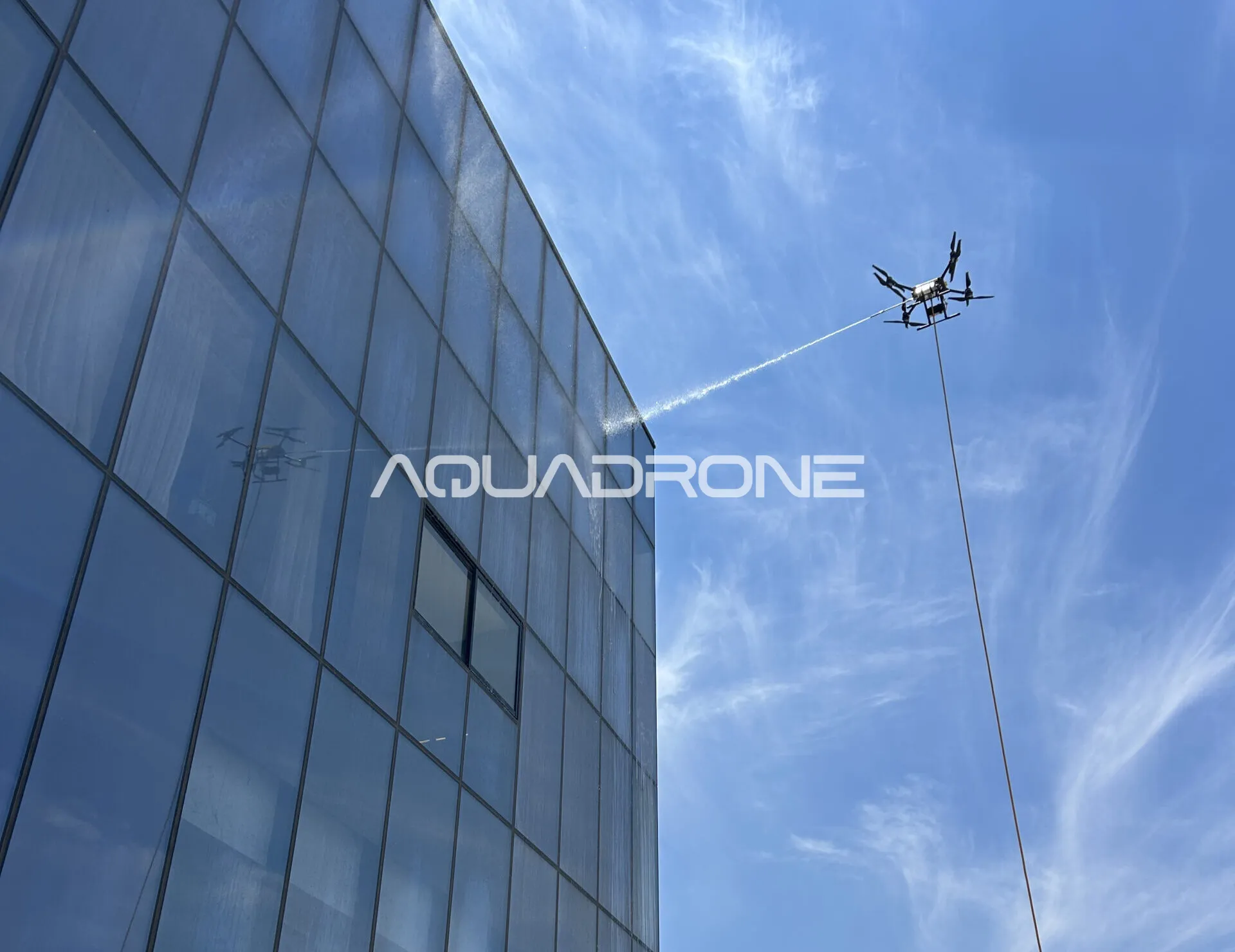
Commercial facade cleaning: why shops, malls and offices can't afford to neglect it
How a business's exterior influences a customer's decision to walk in, before they even step inside
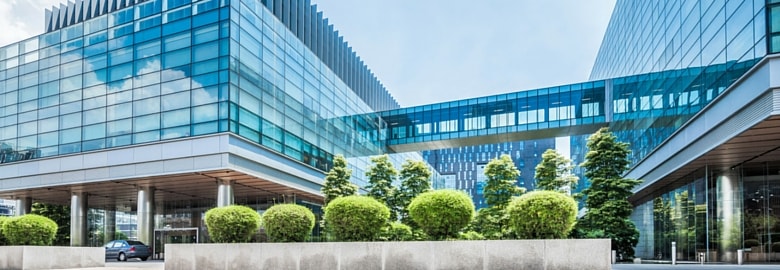
Post-construction facade and window cleaning: manual scraping and drone washing before handover
Post-construction drone cleaning is the last and one of the most important stages of any building project. Aquadrone's building cleaning services specialise in cleaning new buildings once construction is complete. Before cleaning, our team manually scrapes hardened concrete, plaster and paint residue off the facade and windows, and then the drone washes the facade and windows with purified water and removes construction dust. […]
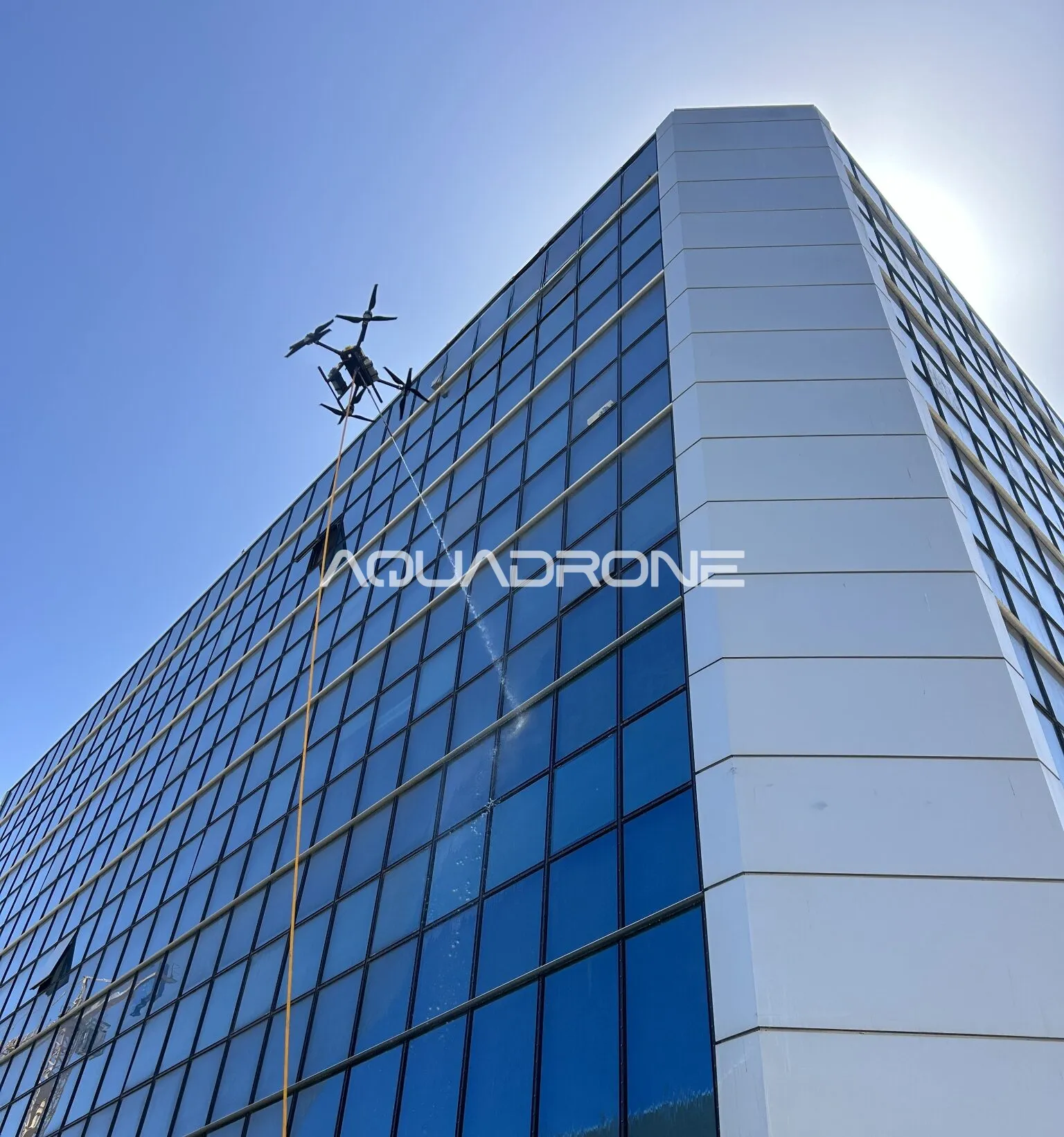
Facade cleaning in Tel Aviv
Professional facade and window cleaning for Tel Aviv and Gush Dan

Drone roof cleaning
A safe, efficient solution for cleaning roofs of every type and size

Drone cleaning of bridges and infrastructure
An advanced solution for cleaning infrastructure and complex structures at any height
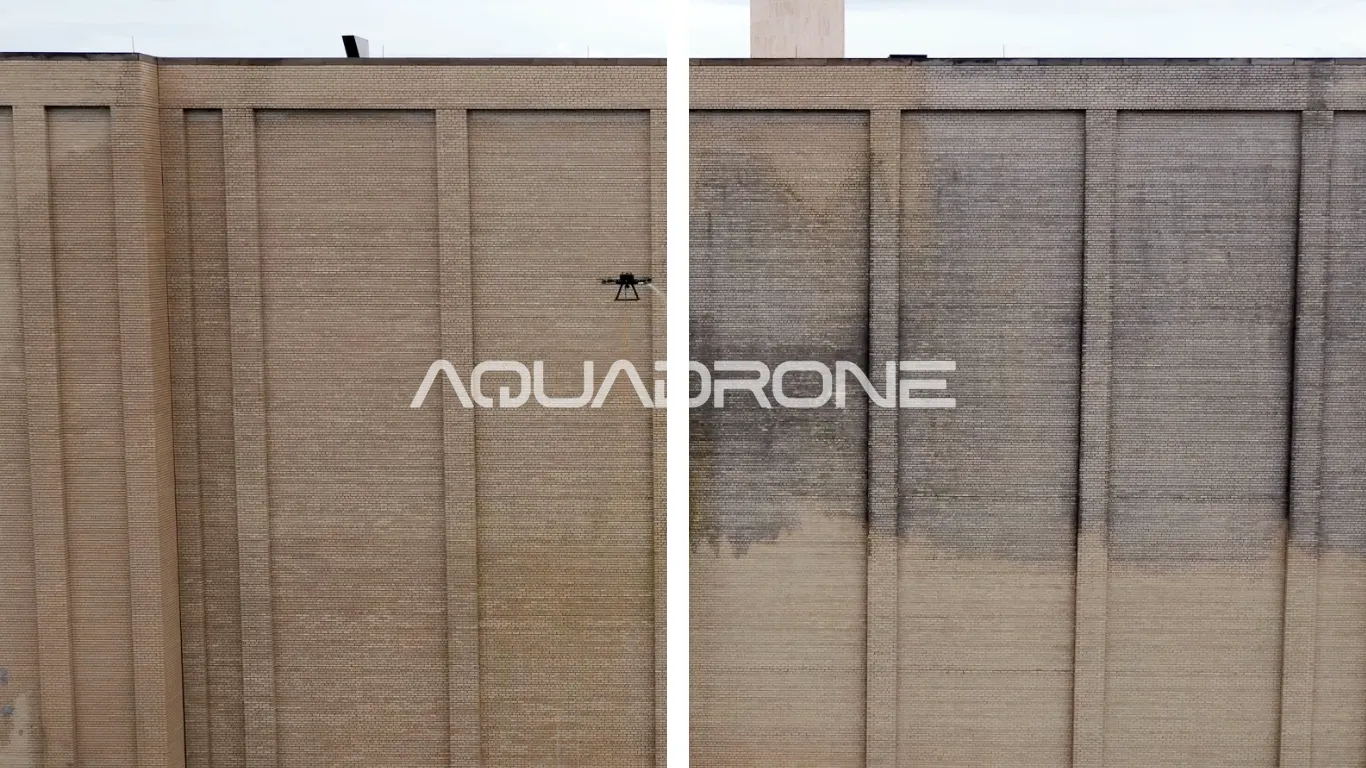
Drone brick cleaning and mould removal
A professional solution for removing mould, stains and stubborn dirt from brick facades
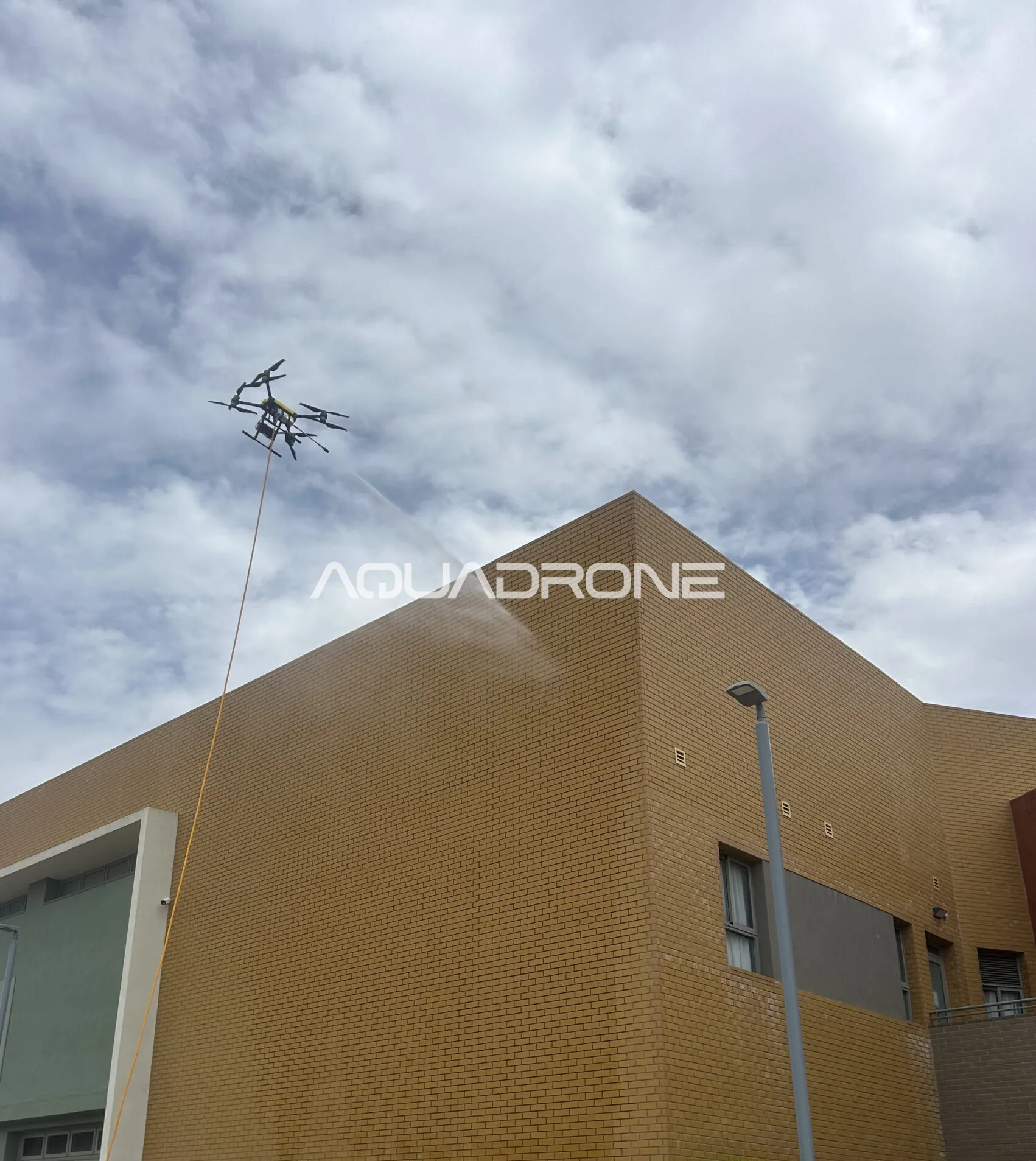
Building cleaning without scaffolding
How drones are replacing scaffolding and rope access for cleaning buildings at height
Facade stains: why dirt, limescale and pigeon droppings get harder to remove over time
Facade stains get harder to remove with every month. Why limescale, soot and pigeon droppings etch into the facade, and how early maintenance prevents permanent stains.
Drone high-rise window cleaning
Drone high-rise window cleaning: an advanced, safe solution
When should you clean your building facade? 6 signs it's time
When should you clean your building facade? The signs it's time: dark streaks under windows, limescale on glass, blackened stone and pigeon droppings, and how to clean without disruption.
Why building cleaning matters
The signs that it's time to clean, and why putting it off only makes treatment more expensive
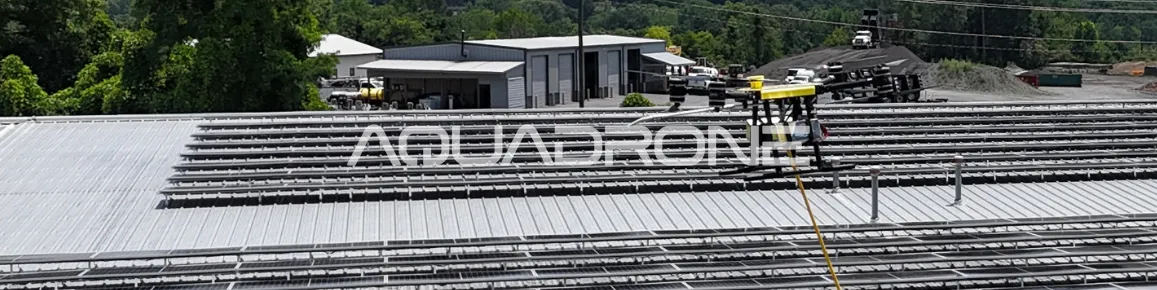
Drone solar panel cleaning
The right maintenance for maximum output

The direct link between facade maintenance and property value
A look at how smart maintenance protects a property's value.