
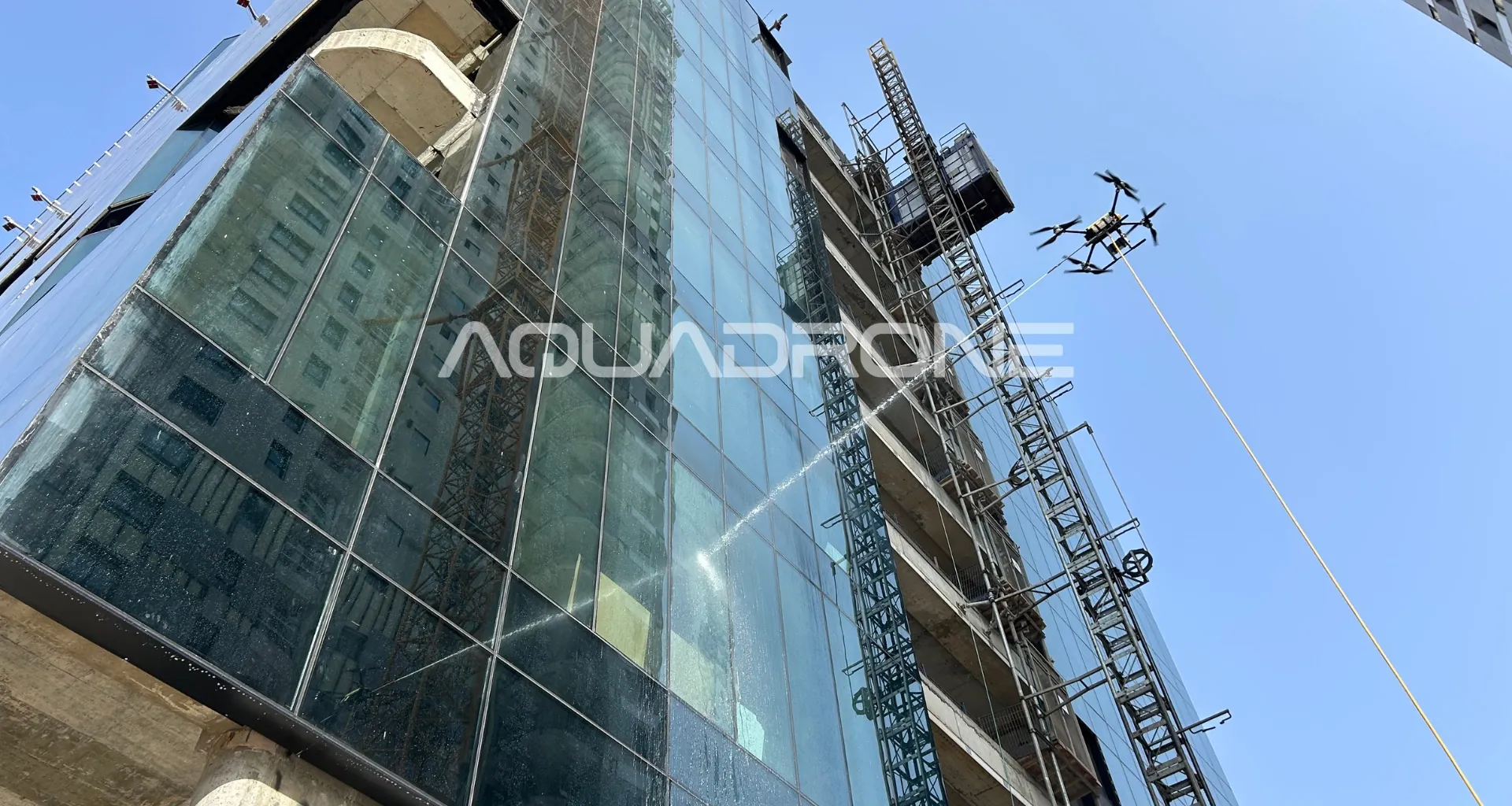
New building facade maintenance: why drone cleaning from handover pays off
New building facade maintenance starts on handover day. How drone cleaning protects glass, aluminium and stone, avoids scaffolding and helps prevent costly repairs over the years.


A new building is handed over with its facade in the best condition it will ever be in. What happens to it from that day on depends mainly on one decision: whether new building facade maintenance is planned from handover, or whether you wait until the dirt is obvious enough for someone to complain. The difference between the two approaches isn't measured in a single clean; it builds up over years, every time scaffolding has to go up, a rope access team has to be booked or a material damaged by dirt left on it for too long has to be treated.
This article is for developers, contractors, management companies, residents' committees and maintenance managers. It explains how new building facade maintenance with drone cleaning, starting from handover, lowers maintenance costs over time – not because of a magic price, but because of how it works: less preparation, less disruption and less cumulative damage.
Why a new building is the right time to start
In most buildings, the first facade clean comes late. The residents' committee or management company takes over, there are other priorities, and the facade "looks fine". But dirt on a facade doesn't stay put: it builds up, sticks and, on some materials, starts to penetrate the surface.
Starting from handover has three clear advantages:
- A documented baseline. The facade is clean after the post-construction clean, and its condition is recorded. Every later inspection is compared against that baseline.
- "Young" dirt is easier to remove. Dust, soot and water spots removed in good time come off with washing. The same dirt after years can need more aggressive treatment.
- A predictable budget. Instead of a large, unplanned expense after years, there are small maintenance tasks that can be planned in advance.
What happens to facade materials when they aren't cleaned in time
Every cladding material reacts differently to dirt left on it over time. The common principle: the longer dirt stays, the harder it is to remove, and sometimes it leaves a mark that ordinary cleaning can't undo.
Glass
Water spots dry on glass and leave minerals behind. As they build up again and again, they form a cloudy film that is harder to remove and, in advanced cases, can permanently affect the look of the glass. Washing with purified water in good time prevents this build-up.
Aluminium cladding
Painted or anodised aluminium clearly shows dirt streaks and water spots. Dirt that clings over time, especially in areas with soot or sea salt, can affect the finish. Gentle, consistent cleaning keeps the appearance even.
Stone
Stone is a porous material that absorbs dirt. Stone that darkens gradually later needs deeper treatment, and sometimes restoration. Cleaning before the dirt penetrates keeps washing simple.
HPL and prefabricated panels
HPL and other prefabricated panels are built to withstand outdoor conditions, but their surfaces still collect dust, soot and water streaks. Regular cleaning keeps the panels' colour and appearance even over time.
All cladding types also face pigeon droppings: they are acidic, build up on sills and ledges, and can damage finishes if left for long.
Where exactly the savings come from
We won't quote savings percentages or general figures here, because every building is different. But we can explain exactly where the savings come from when a drone is used over the years:
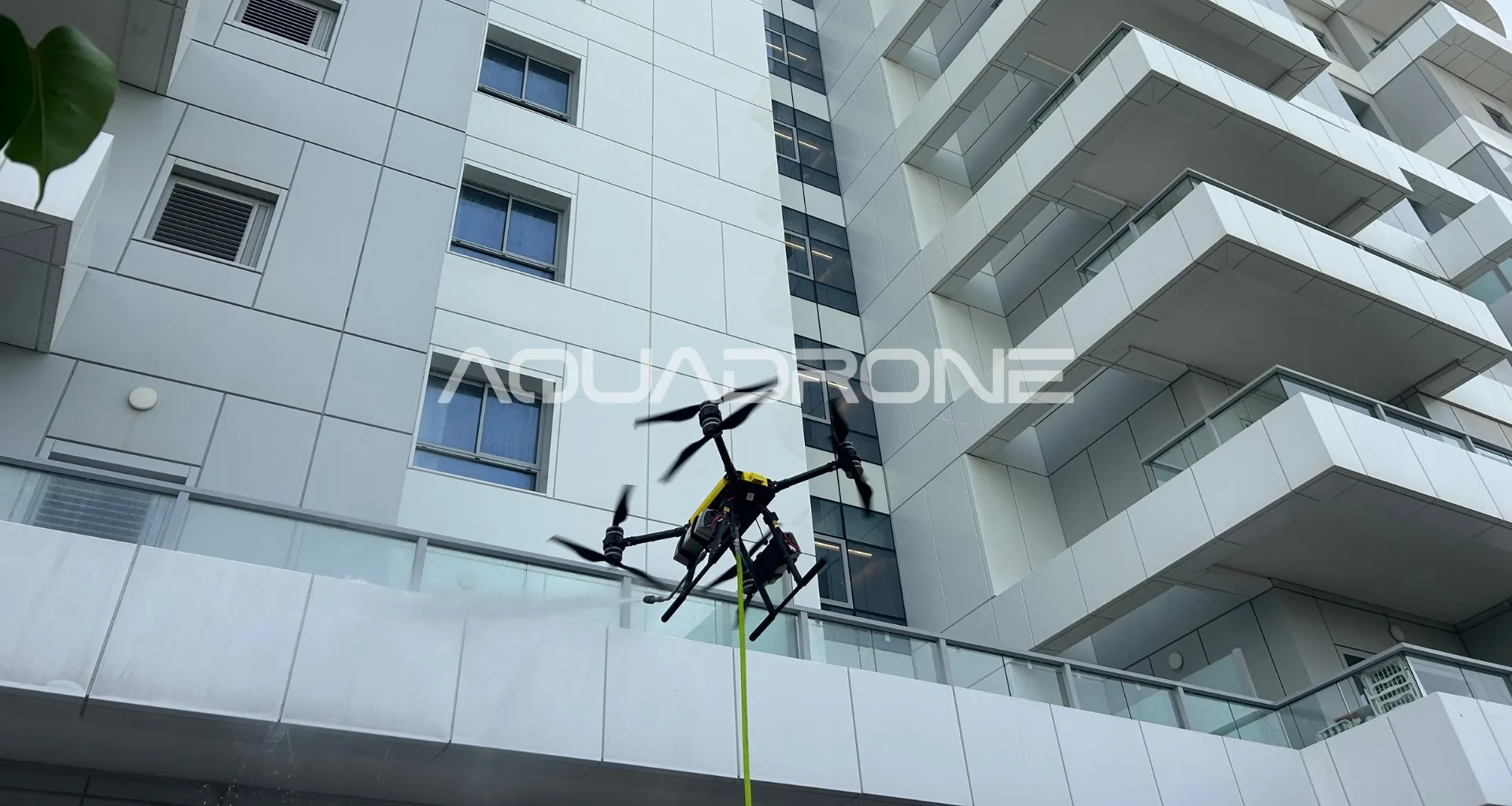
- No scaffolding to put up. Scaffolding is a whole operation: transport, assembly, dismantling and sometimes closing the pavement. With a drone, there is no such stage every time.
- No workers at height. The drone is flown from
- Less time on site. Fewer preparation days mean fewer days when the building is "in the middle of works".
- Less disruption to residents and businesses. Work can also be done after hours and at night, without closing entrances or having workers outside the
- Prevention instead of restoration. This is the biggest saving over time: dirt removed in good time never reaches the stage where the material needs aggressive treatment or restoration.
- Flexible frequency. Because each clean doesn't need heavy preparation, the frequency can be matched to the building's real needs, rather than putting cleaning off just because "scaffolding has to go up".
Comparison: drone, scaffolding, rope access and aerial work platform
| Drone | Scaffolding | Rope access | Aerial work platform / boom lift | |
|---|---|---|---|---|
| Preparation | Light – equipment arrives at ground level | Heavy – transport, assembly and dismantling | Medium – roof anchoring | Medium – bringing in the machine and vehicle access |
| Time on site | Relatively short | Long – including setting up and dismantling | Depends on height and number of drops | Depends on height and access |
| Disruption to residents | Minimal; work can also be done after hours and at night | High – a structure up against the windows for a long time | Medium – workers outside the windows | Medium – area around the building closed off |
| Safety | No workers at height | Work at height on scaffolding | Work at height on ropes | Work at height in a basket |
| Possible frequency | Flexible – no heavy preparation cost each time | Low – usually only during renovation | Medium | Medium, mainly on low-rise buildings |
| When it suits | Routine cleaning of facades and glass at any height | Renovation and heavy work | Spot repairs and manual work | Low-rise buildings with good access |
It's worth saying: the drone doesn't replace every method. Restoration, waterproofing or repair work still needs physical access. The drone's advantage is in routine cleaning, the part that comes round again and again throughout the building's life.
A facade maintenance plan from handover – a suggested structure
There is no single frequency that suits every building. A building by the sea, near a main road or next to a building site will get dirty differently from one on a quiet street. So the plan is based on inspection rather than a fixed schedule:
- Post-construction cleaning before handover. Hand scraping of concrete, render and paint residue, then drone washing of the facade and windows. Details on the pre-handover building cleaning.
- Baseline documentation. A summary report with photos of the facade after cleaning, the basis for later comparison.
- Mapping the building's risk factors. Proximity to the sea, roads, nearby building sites, facade orientation and cladding types.
- Periodic condition checks. A structured look at the facade, compared with the baseline photos. Use6 signs it's time to clean your building's facade. To understand why it's important not to wait, also read about stains on a building facade and why they get harder to remove.
- Cleaning based on actual need. When the signs appear, arrange a drone clean, after hours if needed.
- Updating the plan. After each clean, the report with photos helps you understand how quickly the facade gets dirty and adjust the planning.
Think in life cycles, not single cleans
The common mistake is to compare cleaning methods on a single clean. In practice, a building will be cleaned many times over its life, so the right question is: what is the total cost of looking after the facade over the years?
When every clean needs heavy preparation, two things happen. First, each clean costs more because of the preparation itself. Second, and this is the part people talk about less, people put cleaning off. The residents' committee waits, the management company moves the budget to next year, and the dirt keeps building up. In the end, the clean that does happen has to deal with deeper dirt, and sometimes with damage to the material.
When cleaning is simple to prepare, it's easier to do it at the right time. That's the mechanism that creates savings over the years: not one cheap clean, but a series of timely cleans that prevents the big expense.
What goes into the total cost of facade upkeep
- The preparation cost for each clean (scaffolding, anchoring, platform, closures).
- Time on site and disruption to residents, customers or ground-floor businesses.
- The cleaning frequency that can realistically be maintained.
- Deep treatments or restoration needed when dirt is left for a long time.
- The management itself: coordination, notices to residents and supervision.
What to expect from facade cleaning for a new building
- A clear distinction between post-construction cleaning and routine cleaning. Concrete and paint residue needs hand scraping; ordinary dirt comes off with washing.
- Matching to the cladding type. Glass, aluminium, stone and HPL don't react the same way.
- A report with photos after every job. Without documentation, you can't compare cleans or plan ahead.
- Flexible hours. The option of working after hours and at night.
- Condition-based recommendations. Cleaning frequency recommended on the basis of an inspection of the building, not a fixed formula.
A short checklist before handover
- Has concrete, render and paint residue been removed from the facade and windows?
- Have all facades been washed, including the upper floors?
- Is there a report with photos of the facade's condition on handover day?
- Has information on the building's cladding types been passed to the residents' representatives or management company?
- Have the building's risk factors been mapped – sea, roads, building sites and pigeons?
- Has it been decided who is responsible for condition checks going forward?
A building that ticks all these boxes is handed over with a good basis for maintenance, and the residents' representatives don't have to start from scratch.
Who is this relevant for?
- Developers and contractors – handing over a building with a clean facade and windows, plus condition documentation that can be passed to the residents' representatives.
- Management companies and maintenance managers – a predictable budget and fewer surprises.
- Residents' committees – less disruption to residents, with no scaffolding outside the windows for long periods.
What the drone does – and what it doesn't
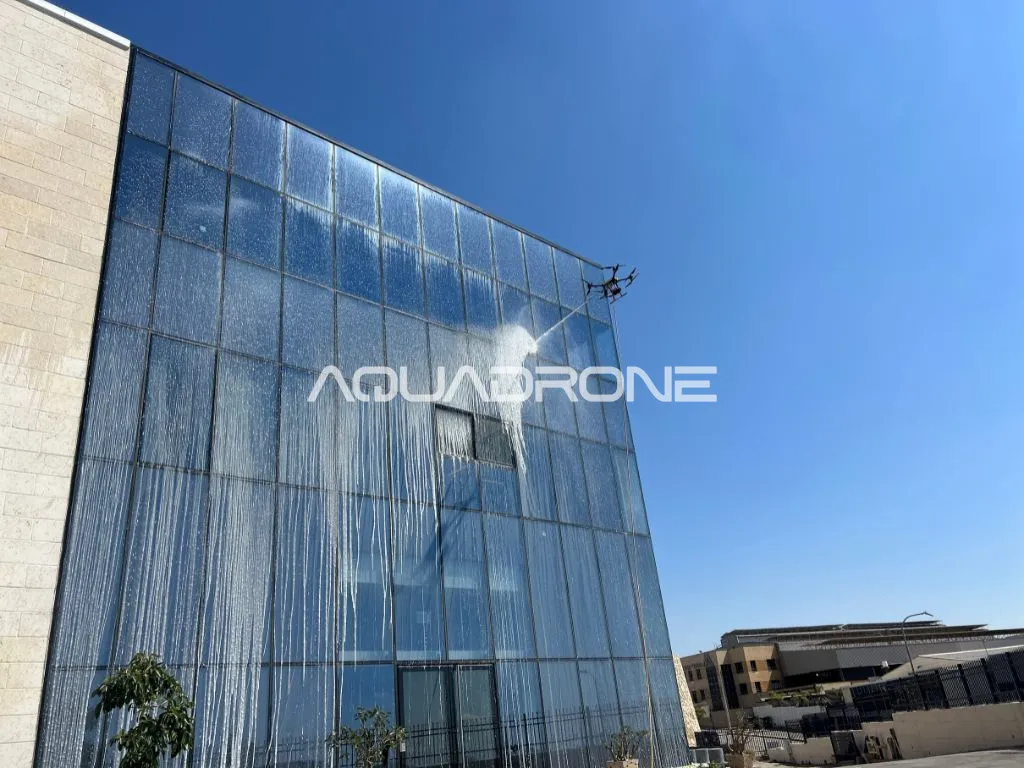
The drone washes the facade and windows with purified water and removes dust, soot, water spots and general dirt. It doesn't No remove concrete or paint residue; for that, the team hand-scrapes before washing. The service covers the exterior facade only. For the full guide to the method, see drone building facade cleaning.
FAQs
When should a new building's first clean be done?
Before handover, as part of the post-construction clean. That way the building is handed over clean and the starting point is documented.
How often should a new building's facade be cleaned?
There's no single answer. It depends on the location, exposure to the sea, roads and building sites, and the cladding type. That's why we recommend checking the facade's condition and cleaning according to actual need.
Does drone cleaning replace scaffolding completely?
For routine cleaning of the facade and windows, in most cases yes. Restoration, waterproofing and repair work still needs physical access.
Does the drone remove concrete and paint residue?
No. Concrete and paint residue is removed by our team's hand scraping, and the drone washes the facade after scraping.
Can cleaning be done without disturbing residents?
Yes. The work can also be done after hours and at night, with no scaffolding and no workers outside the windows.
What do you get at the end of each clean?
A summary report with photos of the facade after the work, which is also used for comparison at later inspections.
Start from handover
A new building is a unique opportunity to start maintenance with a completely clean facade. Send us a video of your facade on WhatsApp: 053-4641133 – and we'll get back to you with a quote and a maintenance plan to suit your building.
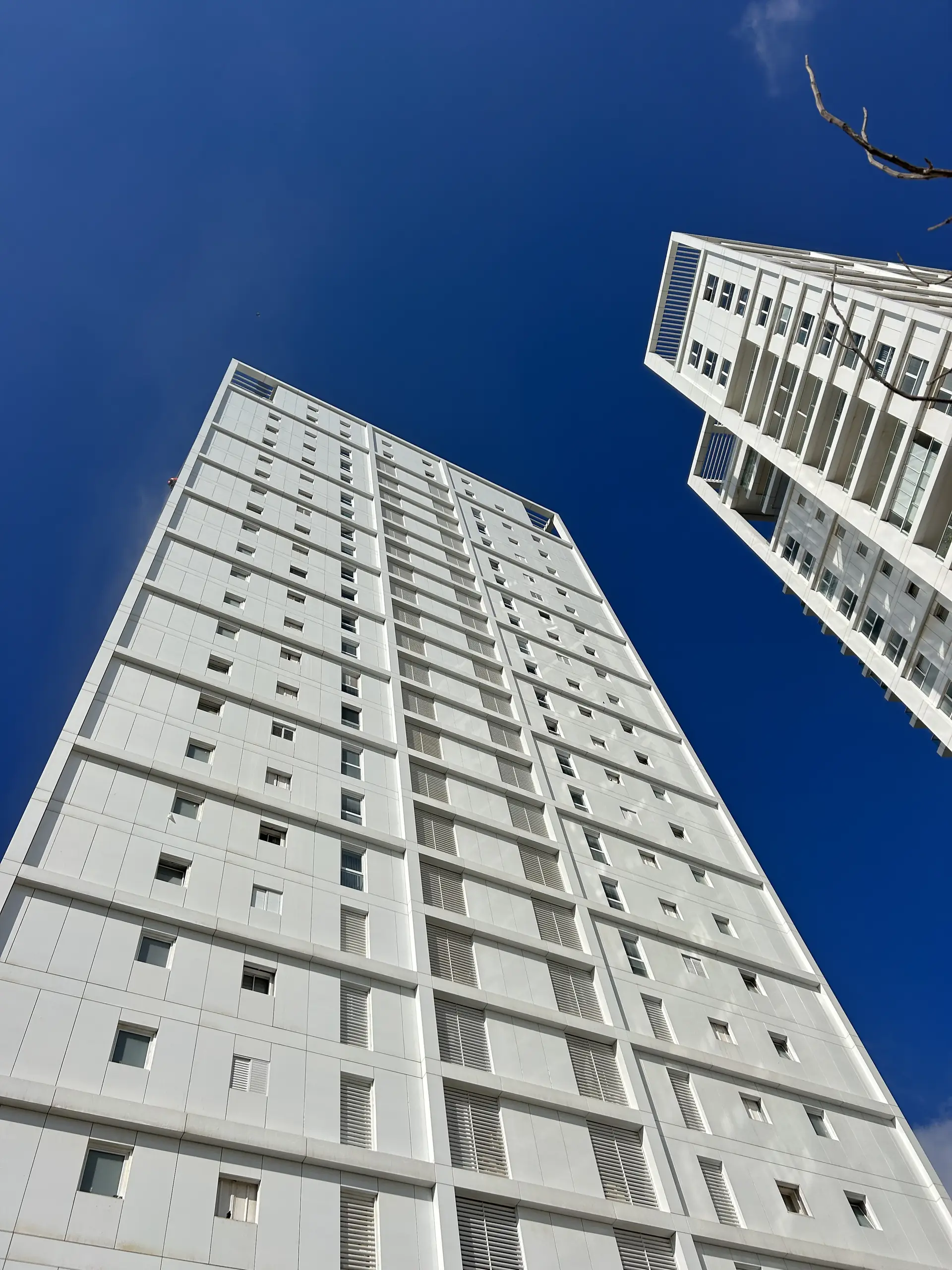
Alucobond cleaning: how to clean composite panels without damaging the finish
Alucobond cleaning needs a gentle touch: what makes panels look dull, why we work at low pressure with detergent that is rinsed off quickly, how joints are handled and how a drone works on these facades.
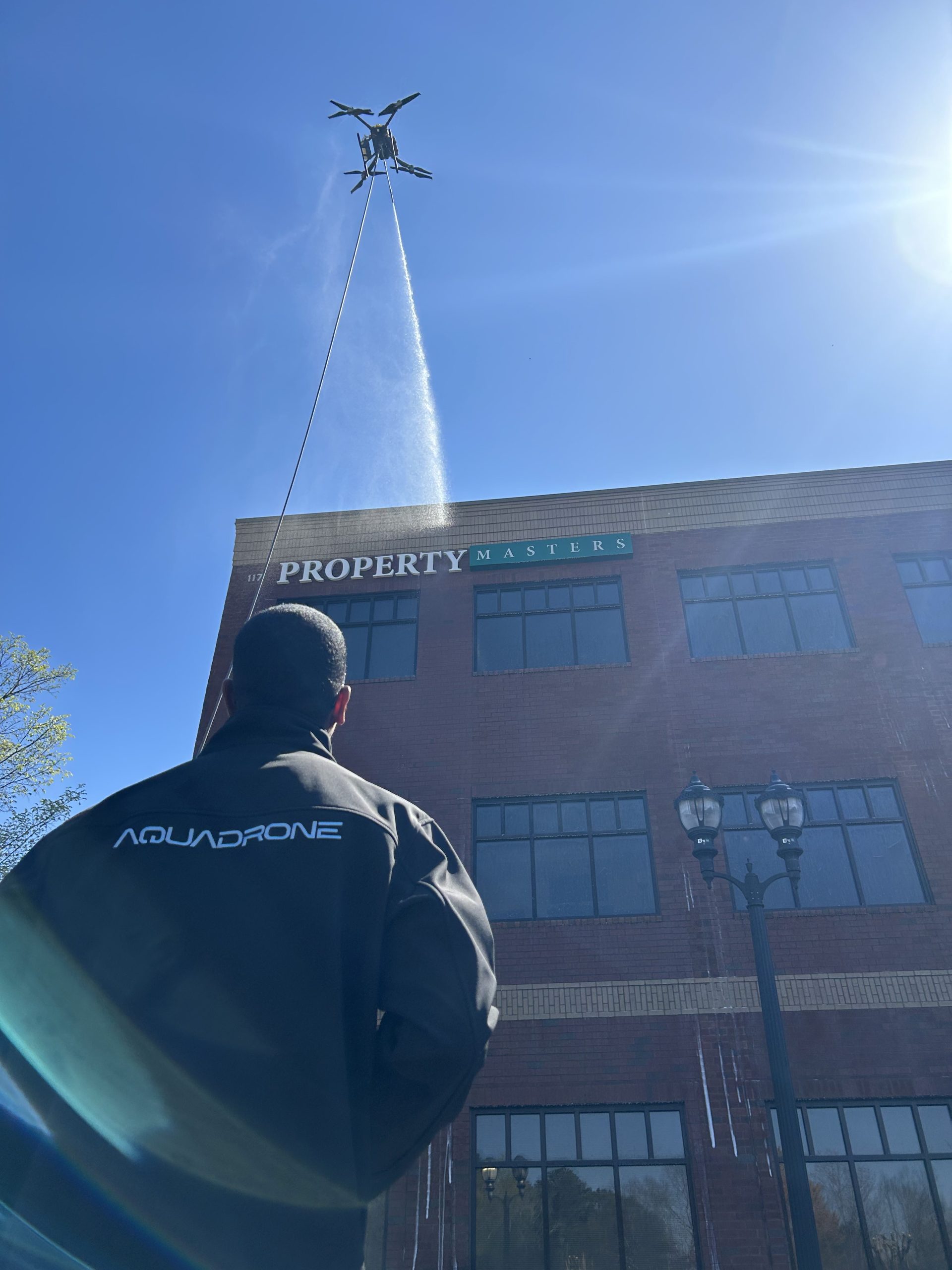
How to choose a facade cleaning company: 10 questions to ask before you sign
How do you choose a facade cleaning company? A checklist of 10 questions to ask before signing, covering method, scope of work, insurance, exclusions and documentation, plus warning signs to look out for.
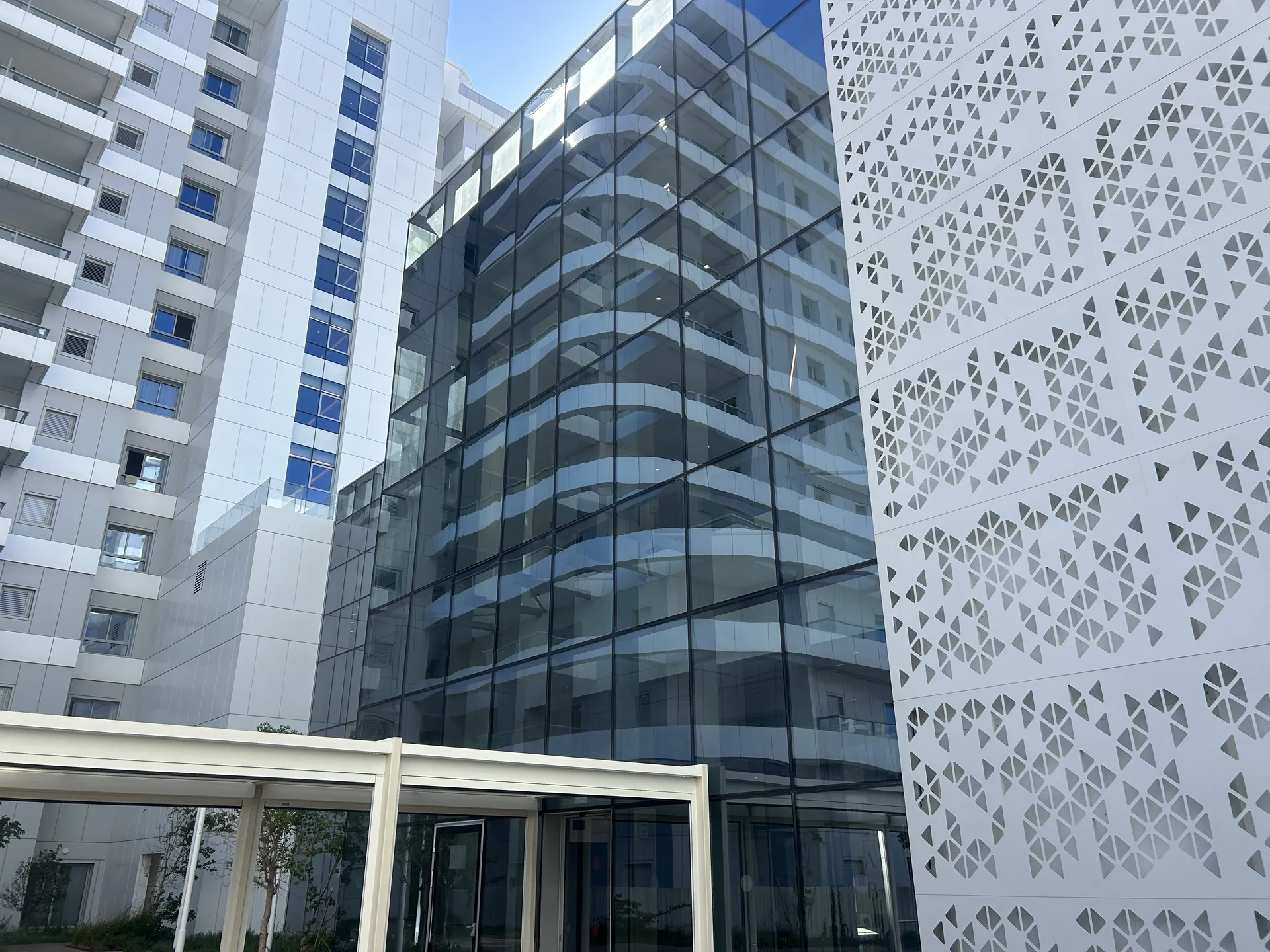
Aluminium and Alucobond cladding cleaning: what manufacturers recommend and how to protect the paint
Aluminium and Alucobond cladding cleaning: what manufacturers' guidelines say about detergents, water pressure and working hours, and how to plan cleaning that doesn't damage the painted finish.
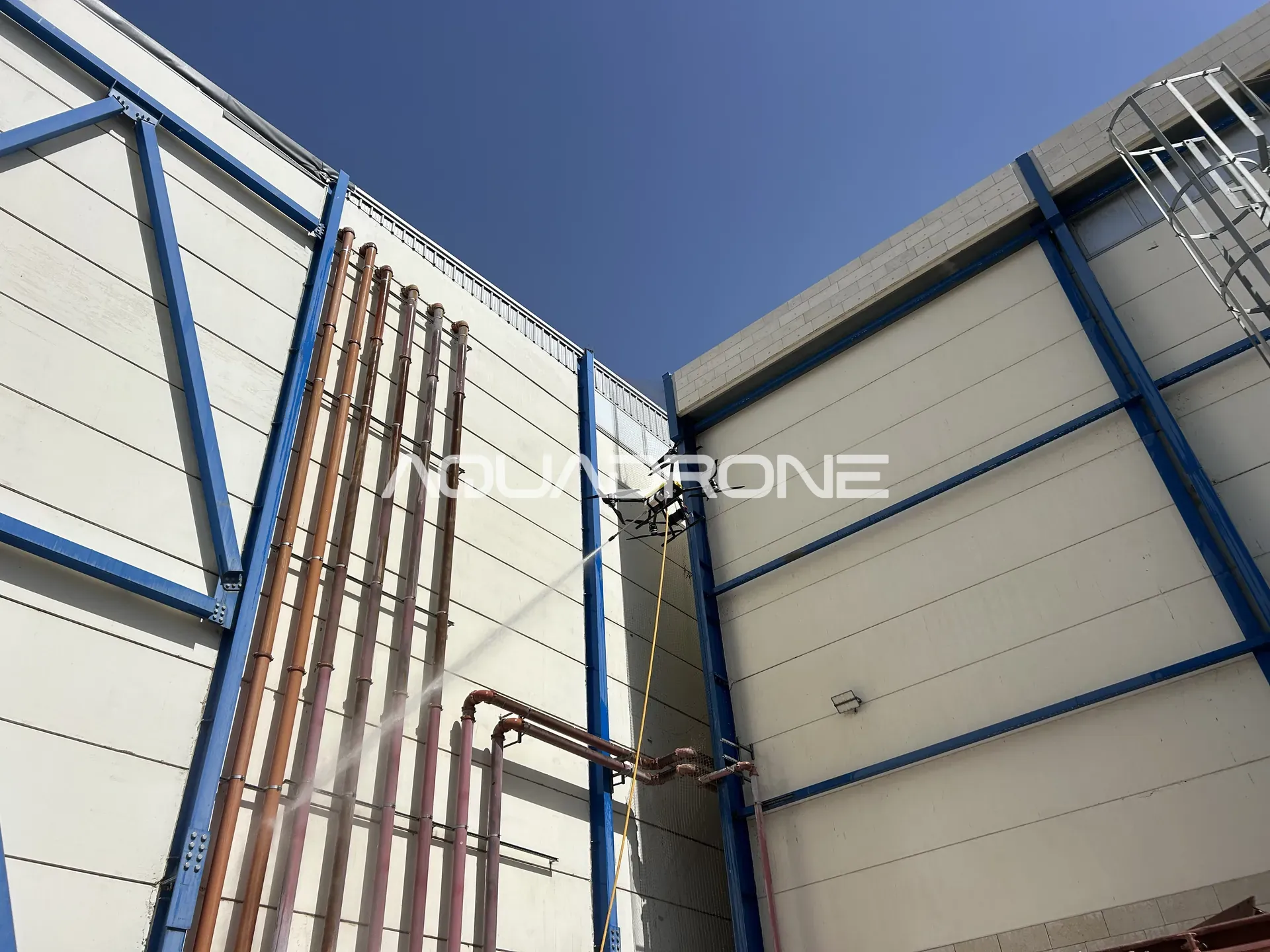
Drone factory facade cleaning: how cleaning protects the building from wear and cracks
Drone cleaning of factory, warehouse and logistics centre facades: what builds up on the envelope, how soot, mould and salts contribute to wear and cracks, and how to clean without scaffolding or disrupting operations.
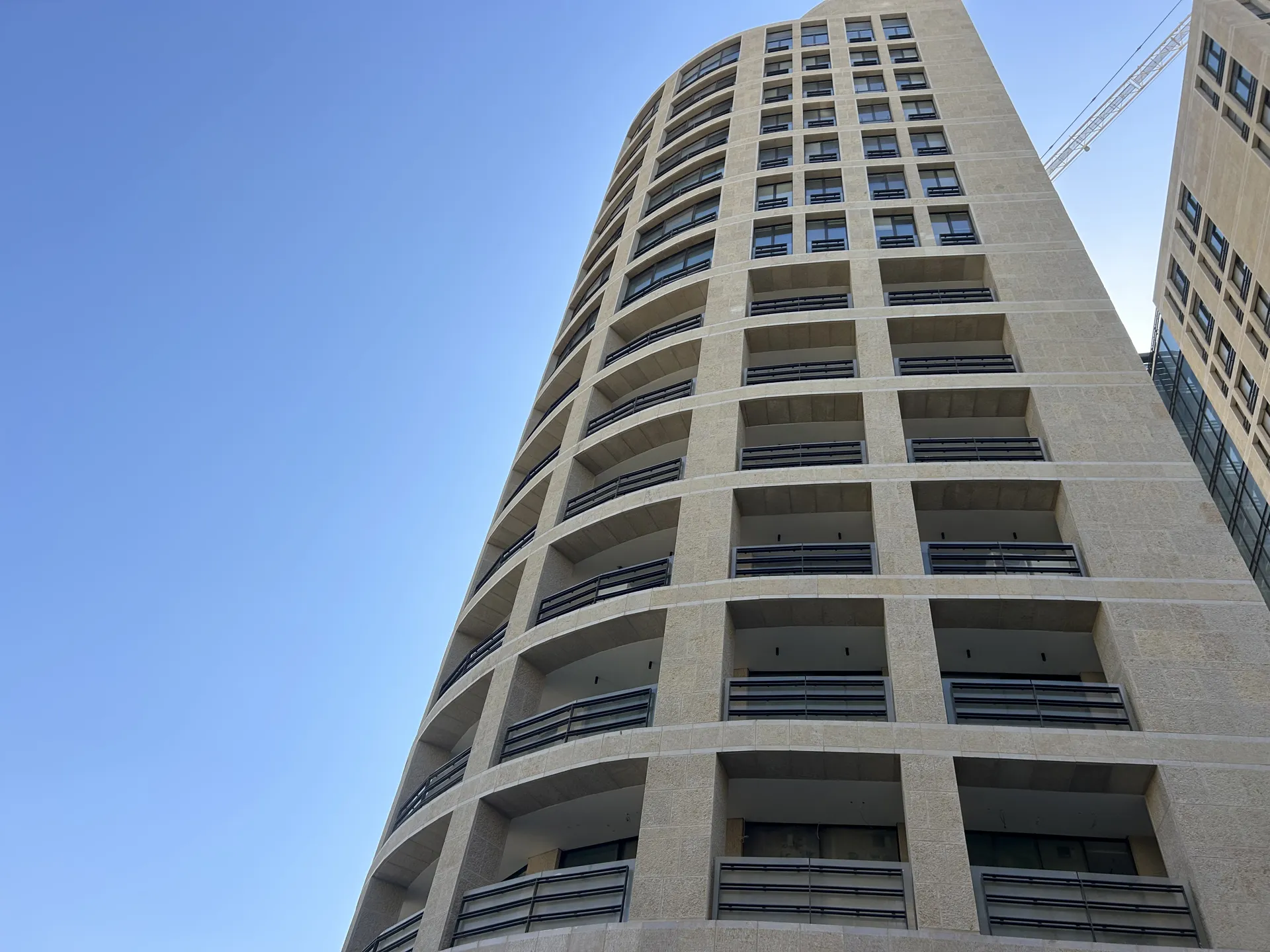
Stone facade cleaning: how to clean natural stone without damaging it
Stone facade cleaning calls for a gentle method: why acid and high pressure harm natural stone, how drone cleaning works without touching the stone, and what to check before you start.
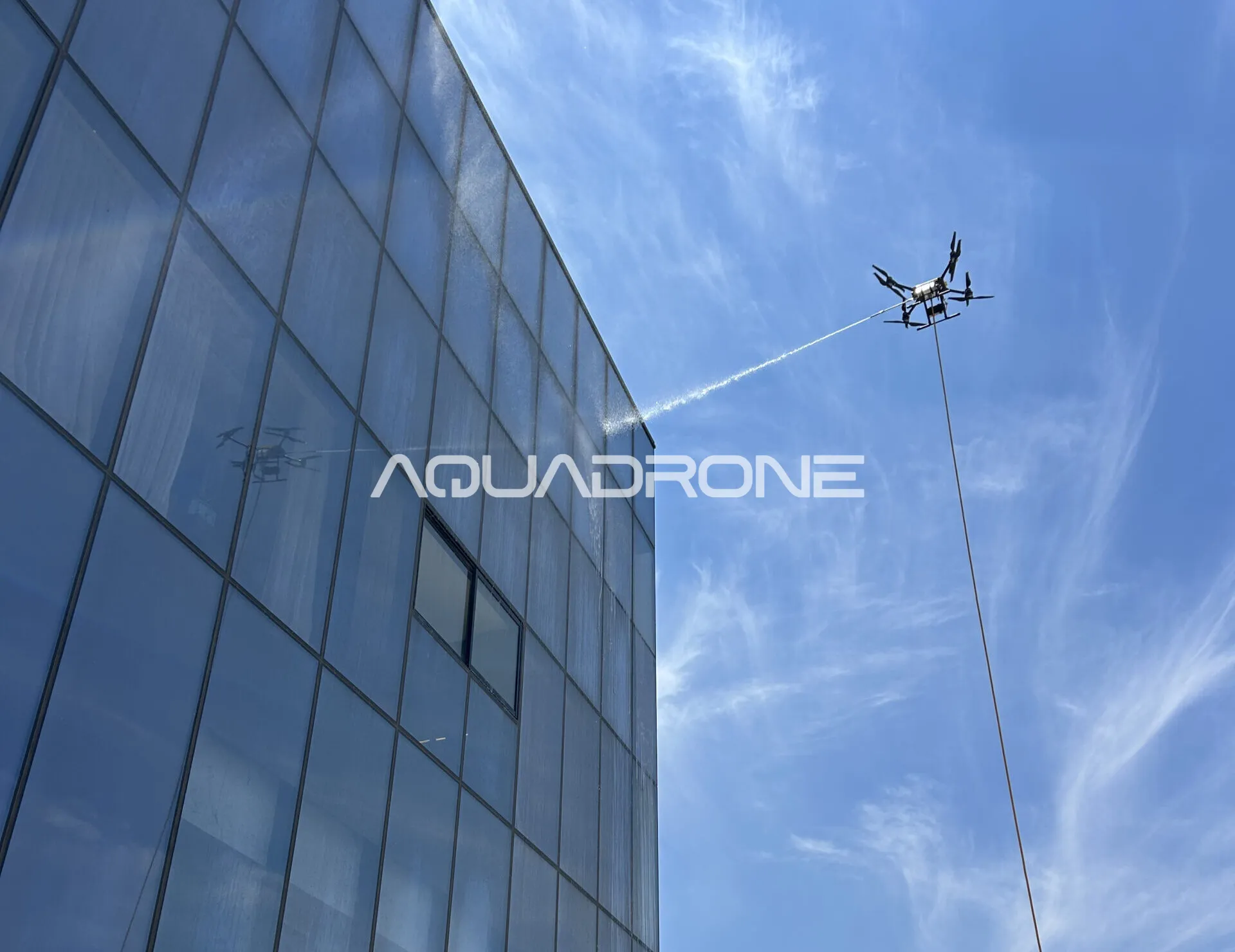
Commercial facade cleaning: why shops, malls and offices can't afford to neglect it
How a business's exterior influences a customer's decision to walk in, before they even step inside
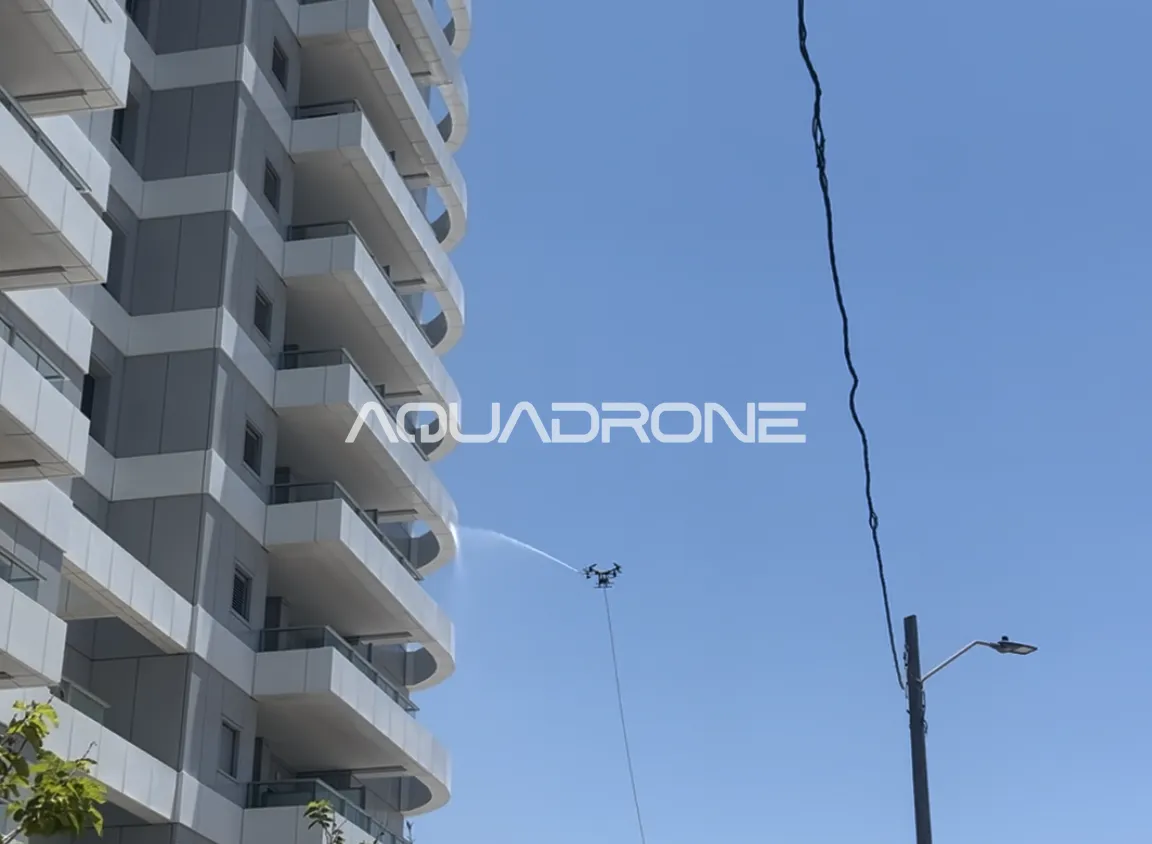
Cleaning inaccessible areas of buildings: a solution that finally reaches everywhere
Why part of the facade always gets "forgotten" in traditional cleaning, and how to fix it
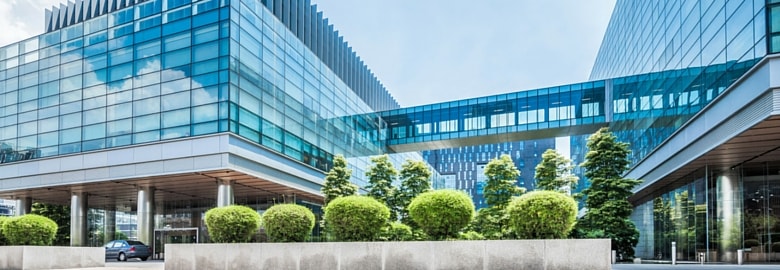
Post-construction facade and window cleaning: manual scraping and drone washing before handover
Post-construction drone cleaning is the last and one of the most important stages of any building project. Aquadrone's building cleaning services specialise in cleaning new buildings once construction is complete. Before cleaning, our team manually scrapes hardened concrete, plaster and paint residue off the facade and windows, and then the drone washes the facade and windows with purified water and removes construction dust. […]
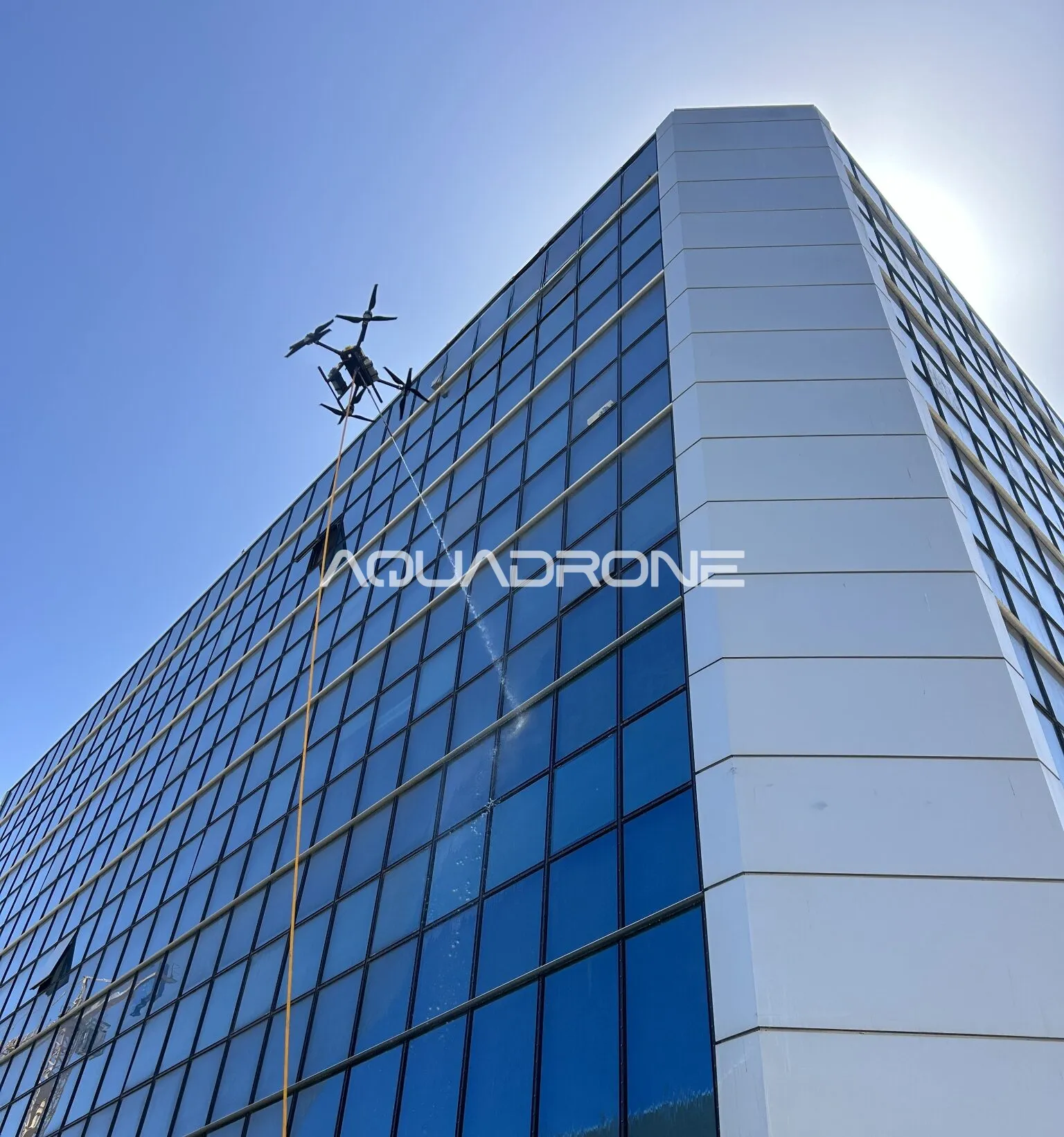
Facade cleaning in Tel Aviv
Professional facade and window cleaning for Tel Aviv and Gush Dan

Drone roof cleaning
A safe, efficient solution for cleaning roofs of every type and size

Drone cleaning of bridges and infrastructure
An advanced solution for cleaning infrastructure and complex structures at any height
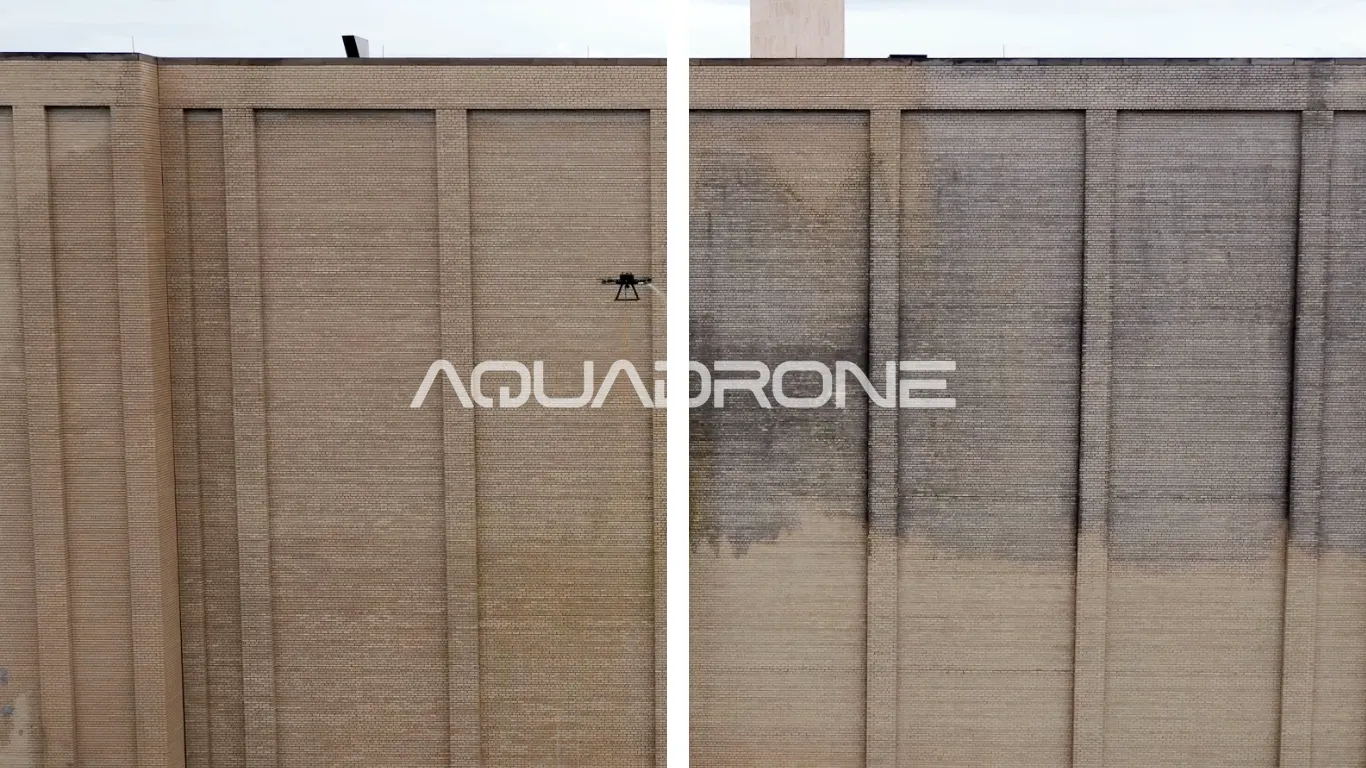
Drone brick cleaning and mould removal
A professional solution for removing mould, stains and stubborn dirt from brick facades
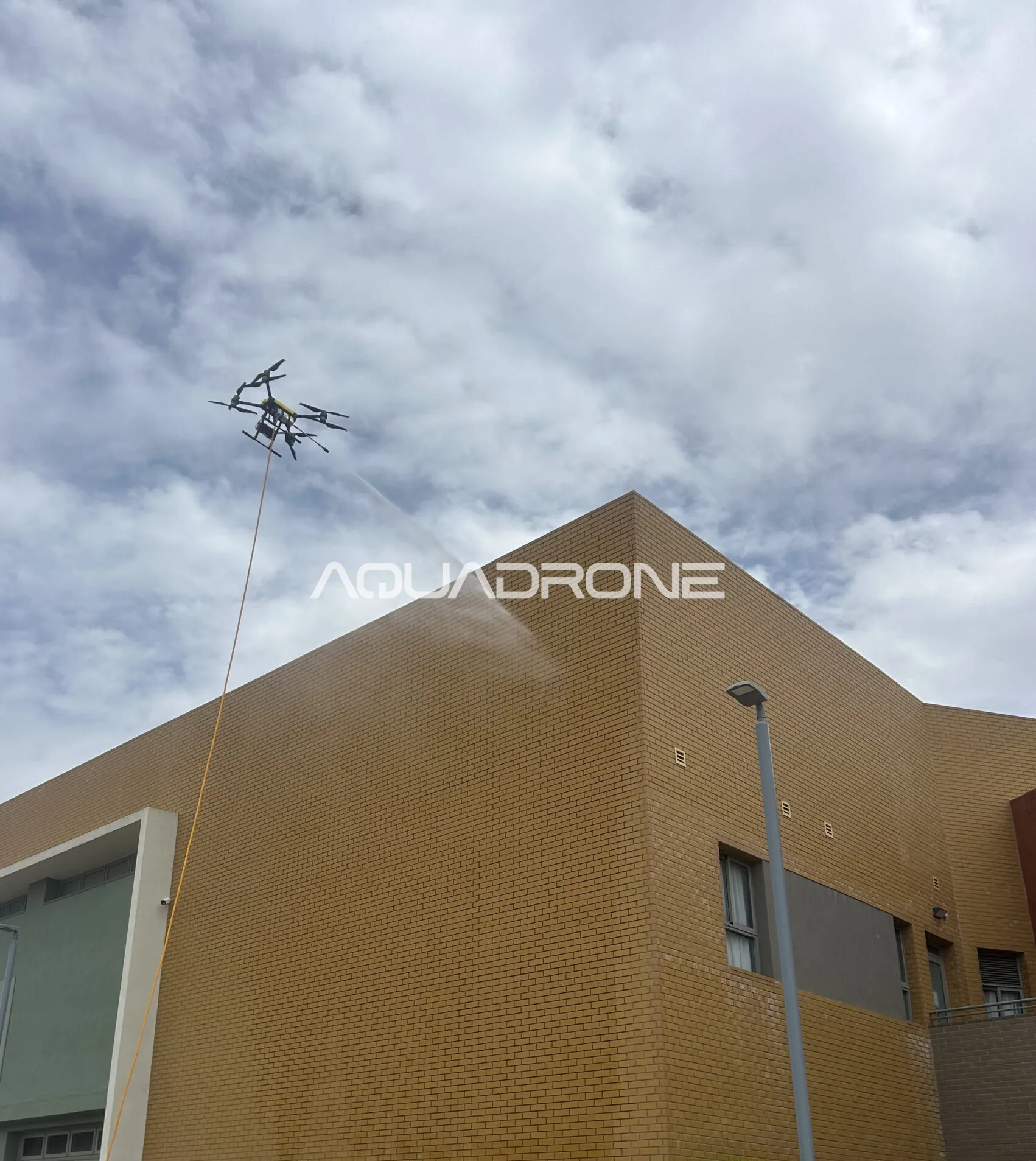
Building cleaning without scaffolding
How drones are replacing scaffolding and rope access for cleaning buildings at height
Facade stains: why dirt, limescale and pigeon droppings get harder to remove over time
Facade stains get harder to remove with every month. Why limescale, soot and pigeon droppings etch into the facade, and how early maintenance prevents permanent stains.
Drone high-rise window cleaning
Drone high-rise window cleaning: an advanced, safe solution
When should you clean your building facade? 6 signs it's time
When should you clean your building facade? The signs it's time: dark streaks under windows, limescale on glass, blackened stone and pigeon droppings, and how to clean without disruption.
Why building cleaning matters
The signs that it's time to clean, and why putting it off only makes treatment more expensive
Drone solar panel cleaning
The right maintenance for maximum output

The direct link between facade maintenance and property value
A look at how smart maintenance protects a property's value.